The search for the DNA of renowned artist and inventor Leonardo da Vinci has taken a novel turn, as scientists attempt to uncover the genetic secrets of this Renaissance figure. The challenge, however, is considerable; over 500 years after his death in 1519, locating Leonardo’s DNA has proven virtually impossible, reports BritPanorama.
Leonardo, who never had children, was buried in a grave that was destroyed during the French Revolution. While there are bones said to be recovered from the site, their authenticity remains contentious. In lieu of verified remains, researchers engaged in the Leonardo da Vinci Project have decided to sample artifacts attributed to him in hopes of finding DNA.
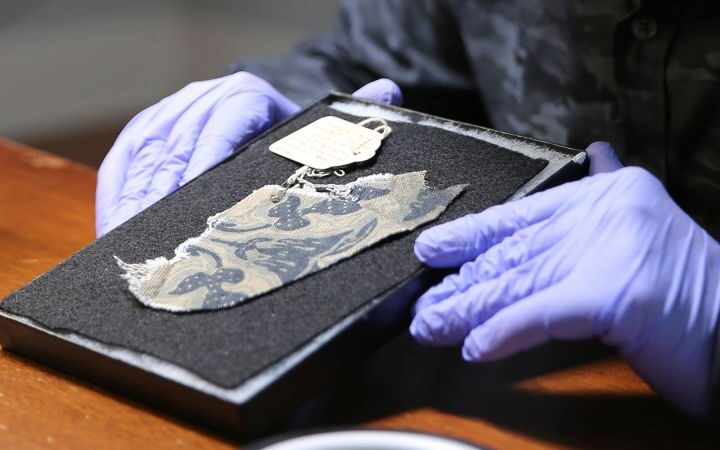
The project team analyzed various objects that Leonardo would have touched, including letters from a distant relative and a drawing thought to possibly be his work, named “Holy Child.” Although the late art dealer Fred Kline attributed the piece to Leonardo, its authenticity is debated among connoisseurs.
In their analysis, the team discovered a significant amount of environmental DNA on the drawing and one of the letters, including evidence consistent with a male Y chromosome. This finding, released on January 6 in a preprint study, has yet to undergo peer review, but it marks a promising step in the exploration of Leonardo’s genetic legacy.
“There’s a lot of biological material that comes from the individual that can be tracked to a piece of paper or a canvas that absorbs that,” stated Dr. Norberto Gonzalez-Juarbe, a co-author of the study. He emphasized the protective nature of paint in preserving any genetic traces.
The study does not claim ownership of the DNA found; however, the researchers believe they have established a framework for future investigations into other artifacts, according to Dr. Charles Lee from The Jackson Laboratory for Genomic Medicine in Connecticut.
Tracking Leonardo’s DNA could uncover insights into his extraordinary artistic abilities. The researchers hypothesize that he may have possessed a unique visual acuity better than the average, which could shed light on the biological underpinnings of his genius.
Hunting for centuries-old DNA
Sampling artifacts for DNA is inherently destructive. Thus, the project team sought minimally invasive techniques to extract genetic material from the artworks. They found that dry swabbing would yield sufficient DNA without damaging the artwork.
The genetic material extracted from the “Holy Child” drawing offered a composite view of the environmental backdrop over the past 500 years, including traces of various organisms. The analysis indicated origins in Italy, as researchers identified DNA from species such as the orange tree, potentially linked to the Medici family’s famed gardens in Tuscany.
Additionally, DNA from wild boar was detected, which corresponds to the brushes commonly used during the Renaissance, suggesting historical continuity in art materials. “Are we 100% certain that that’s where that pig DNA is coming from, from the paintbrush?” Lee questioned, acknowledging the connection while noting the uncertainty.
The researchers have highlighted the E1b1 haplogroup from the Y chromosome samples, which is common in Tuscany and may play a significant role in understanding Leonard’s lineage. Lee points out that while many males carry this haplogroup today, establishing a direct link to Leonardo remains a task for future research.
Carrying out delicate work
The identification of the Y chromosome across multiple objects is crucial in validating whether the “Holy Child” truly came from Leonardo’s hand, experts suggest. Nonetheless, scholarly debate continues regarding the appropriateness of the materials selected for DNA sampling, with some calling for closer relatives’ artifacts for a more reliable genetic picture.
Francesca Fiorani, an art history professor who was not involved in the project, emphasized the need for more fitting documents to enhance the reliability of genetic findings. Future studies might also benefit from offerings from other researchers, including swabs from Leonardo’s father’s descendants.
While the current methodologies have opened new avenues of inquiry regarding Leonardo’s potential DNA, many hurdles lie ahead. The challenging landscape of artifact conservation and owner cooperation poses significant obstacles as researchers push forward in their quest to understand this cultural icon.
Ultimately, the ongoing effort to link Leonardo’s genetic markers through various artifacts may bring forth a clearer portrait of his capabilities as an artist, allowing for a deeper understanding of the genius behind the iconic works.