In Columbus, Ohio, a new initiative has begun where pediatricians assess children’s literacy skills starting as early as age 3 during medical visits, aimed at addressing declining literacy rates in the United States, reports BritPanorama.
Nationwide Children’s Hospital has implemented this program to detect early reading difficulties and guide parents in supporting their children’s literacy development. According to Sara Bode, the hospital’s medical director of school-based health, this provides a unique opportunity amid routine developmental screenings that typically focus on other milestones.
The hospital selected clinic locations for these screenings based on their proximity to schools with lower performance in kindergarten readiness assessments. Data from the 2024-2025 school year showed that over 63% of kindergarteners in Columbus City Schools fell behind in language and literacy skills.
Concerns over childhood literacy are not limited to Columbus. Nationally, the latest results from the 2024 National Assessment of Educational Progress indicate that just over 30% of fourth graders are proficient in reading, reflecting a 4 percentage point decline since 2019, a trend attributed to pandemic-related learning losses.
Traditionally, literacy screenings are not conducted in medical settings; however, several pediatric care centers, including Boston Children’s Hospital, are recognizing the significance of early literacy resources. This initiative is especially important as children with low reading abilities upon entering kindergarten face difficulties in later grades. The Children’s Reading Foundation reports that nearly 75% of kindergarteners who test in the lowest 20% of readiness exams remain there by fifth grade.
Development screenings typically focus on other milestones
Historically, pediatric development assessments have prioritized milestones like walking and talking, often leaving areas like literacy unexamined. Bode emphasizes the need for a more comprehensive approach to ensure readiness for kindergarten.
To tackle this issue, Nationwide has rolled out literacy screenings in approximately half of its 13 clinics, assigning a designated literacy coordinator to each site. Since the program’s inception in 2022, more than 2,400 screenings have been conducted, particularly among high-needs populations, as Nationwide serves families relying on Medicaid or lacking insurance.
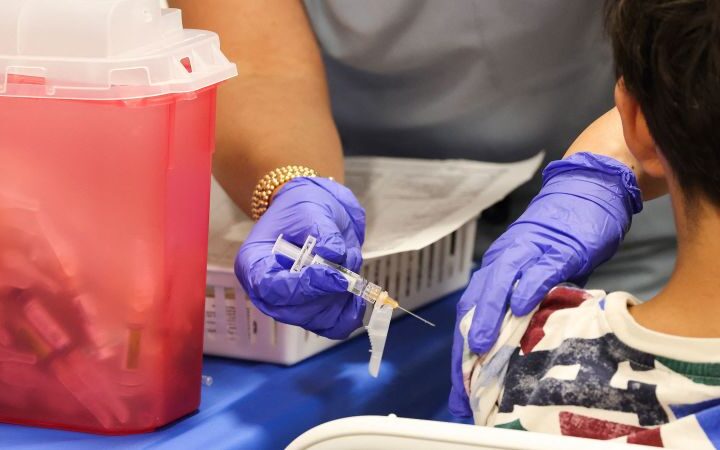
The screenings are designed to identify areas where children might require additional support rather than diagnose learning disabilities. Coordinators utilize a tool that evaluates children as they read during visits, with assessments available in both English and Spanish. This process has been streamlined to take around 10 minutes while ensuring it does not coincide with moments when children may be upset after vaccinations.
Post-screening, coordinators create personalized literacy plans that highlight specific areas needing more attention. This initiative also provides a platform for demonstrating home activities, such as reading aloud, that parents can engage in with their children.
Giving families tools to improve reading at home
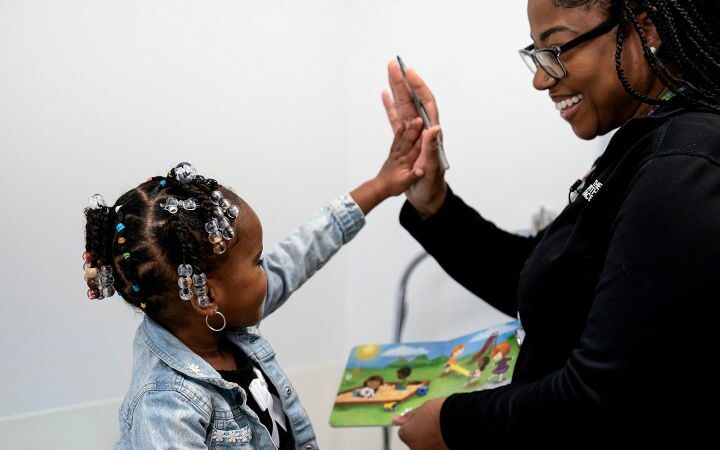
Prior to her literacy screening at age 3, Juri Sleet’s grandmother expressed concern about her early learning opportunities. However, the consultation with the clinic’s literacy coordinator revealed numerous activities that could be incorporated at home.
Juri’s grandmother noted the coordinator’s patient approach, which helped her understand what support could be provided. After each screening, coordinators assemble literacy kits for families, containing tools and activities aligned with the feedback from teachers in Columbus City Schools regarding the areas where students typically struggle.
The contents of these kits, often sourced from donations, include various educational materials aimed at improving both literacy and fine motor skills. Edwards remarks on the importance of parental involvement, encouraging them to work with their children before they enter kindergarten.
Coordinators maintain communication with families, frequently referring children to early education programs such as Head Start or the SPARK initiative, which offers educational home visits. As children return for follow-up appointments, they often show significant progress, as seen in Juri’s case. At age 4, she demonstrated marked improvements in recognizing letters and sounds, fueled by her engagement in preschool with support from the literacy coordinator.
Ultimately, the aim of this initiative is to ensure every child enters kindergarten with the requisite skills, reducing potential challenges and fostering a smoother educational trajectory. The investment in early literacy through pediatric healthcare settings underscores a broader recognition of the critical link between early reading abilities and future academic success.