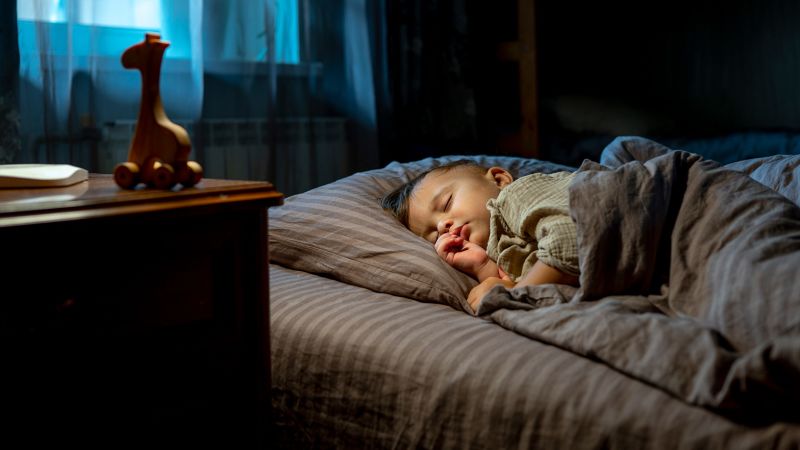
American children are struggling with sleep, with 44% not getting the recommended amount for their age, according to a new National Sleep Foundation poll. This shortage is particularly prominent among younger children, highlighting a concerning trend in parental awareness regarding children’s sleep needs, reports BritPanorama.
The National Sleep Foundation recommends that newborns get 14 to 17 hours of sleep, infants 12 to 15 hours, toddlers 11 to 14 hours, preschoolers 10 to 13 hours, and school-age children 9 to 11 hours. These recommendations underscore the critical role of adequate sleep in the development and health of children.
Despite this, the poll surveyed 977 caregivers, revealing that many underestimate their children’s sleep needs. Many parents feel overwhelmed by the issue, spending an average of more than two hours a day worrying about their children’s slumber, with 61% willing to pay for solutions to improve sleep quality.
Dr. Joseph Dzierzewski, senior vice president of research and scientific affairs at the National Sleep Foundation, noted that while parents think a lot about their children’s sleep, the reality is that children aren’t consistently getting enough. “We don’t live in isolation, we don’t sleep in isolation — as much as it is an independent behavior it is also something that happens within a social context,” he stated.
Poor sleep affects everyone
Ninety-five percent of caregivers agreed that good sleep is essential to family functioning, yet nearly 80% said their own sleep suffers when their child sleeps poorly. Poor sleep is believed to adversely affect children’s mood and performance during the day, with 69% of parents acknowledging this impact and 86% asserting that a good night’s rest improves their child’s mood and behavior.
The study arrived at critical findings that resonate with existing knowledge within pediatric sleep medicine. Dr. Laura Sterni, director of the Johns Hopkins Pediatric Sleep Center, commented on the study’s validity, reinforcing ongoing concerns about sleep inadequacy among children.
What’s our problem with sleep?
There are three significant factors complicating the issue of children’s sleep: parents frequently think about children’s sleep yet children are still not getting enough; caregivers often underestimate the required amount of sleep; and discussions regarding sleep are rare. The poll found that 74% of caregivers consider their children’s sleep needs daily, yet many fail to engage their children in meaningful conversations on the matter.
Moreover, a worrying percentage of parents, especially of infants aged 0 to 3 months, significantly underestimate sleep needs, often estimating an hour less than recommended. Compounding this issue, nearly half of caregivers report seldom or never discussing sleep with their children.
Dr. Sterni suggests framing sleep as a vital daily health habit, similar to brushing teeth. By focusing discussions on how good sleep contributes to children’s growth and learning, parents can help convey the importance of healthy sleep habits.
Napping is not your enemy
Naps are crucial for young children, with about two-thirds of children reporting regular nap schedules. The survey indicated that skipping naps in hopes of improving nighttime sleep could backfire, resulting in cranky children and reduced overall well-being. Sterni cautions against eliminating naps, noting that even short rest periods can enhance total sleep without disrupting nighttime schedules.
Building healthy sleep hygiene
Establishing a routine and consistent sleep schedule is emphasized as essential for fostering healthy sleep hygiene. Creating a predictable bedtime routine helps signal to children that it is time to wind down, making sleep a familiar and comforting process.
Both Dr. Dzierzewski and Dr. Sterni assert that caregivers’ behaviors directly impact children’s sleep habits. By prioritizing sleep as a family value, parents can positively influence their children’s approach to rest.
In observing these dynamics, Dzierzewski remarked, “Kids are always watching us.” If caregivers demonstrate a respect for sleep, children are likely to follow suit, aligning their rest patterns with those of their parents.