Following significant changes announced by the Trump administration to the US childhood vaccine schedule, parents and pediatricians are assessing the potential impacts on families. The adjustments aim to reduce the number of recommended vaccines for children, reports BritPanorama.
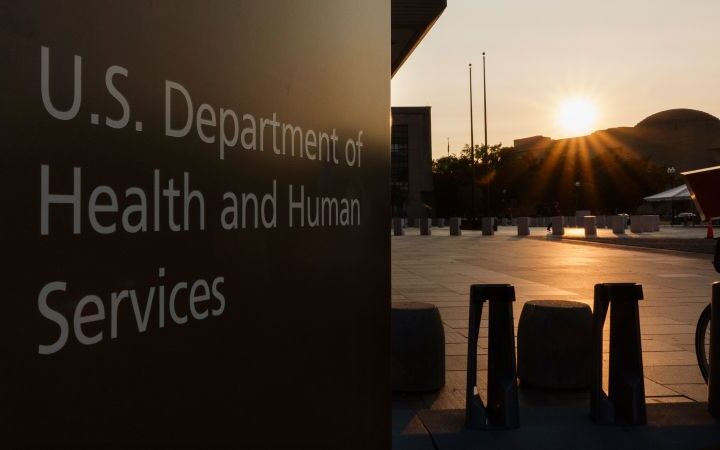
The US Department of Health and Human Services (HHS) has revised the vaccine schedule, which traditionally guides immunization requirements for day care and public school, as well as insurance coverage. The updated schedule suggests that healthy children receive 11 vaccines, a reduction from previous recommendations.
Vaccines for measles, mumps, rubella, polio, chickenpox, and HPV remain broadly recommended. However, the recommendations for vaccines against meningococcal disease, hepatitis B, and hepatitis A are now limited to children considered at higher risk. Additionally, decisions regarding flu, Covid-19, and rotavirus vaccinations are now categorized under “shared clinical decision-making,” necessitating prior consultation with a health care provider.
How is the updated childhood vaccine schedule different?
The new schedule’s recommendations, while not mandatory, typically influence state requirements for vaccinations in educational settings and coverage by insurers. HHS maintains that this change offers parents greater flexibility and choice, promoting less coercive health care practices. HHS Secretary Robert F. Kennedy Jr. claims the alterations “protect children, respect families, and rebuild trust in public health.”
Will insurance still cover children’s vaccines?
Insurers will still be required to cover all vaccines recommended by the Centers for Disease Control and Prevention (CDC) as of December 31, 2025, without cost-sharing. Parents may face additional fees if they need to consult a health care provider beforehand.
Can children be vaccinated according to previous CDC schedules?
The childhood vaccine schedule serves as a guideline rather than a strict requirement. Parents can opt for vaccinations according to earlier schedules if desired. Experts emphasize the importance of consulting pediatricians to discuss the best vaccination options for their children.
What will change when I take my child to the doctor?
Dr. Sean O’Leary, a pediatrician, notes that while many practitioners may adhere to the broader American Academy of Pediatrics (AAP) schedule, the shift towards shared decision-making may lead to confusion among some healthcare providers.
Some medical offices may require parents to acknowledge that specific vaccines are now in a different category. This change may also impact the availability of certain vaccines in medical practices.
Why is the vaccine schedule changing?
This update does not appear to be based on new safety or efficacy evidence. Following an order from President Trump to review the US vaccine schedule in comparison to those of other developed nations, HHS consulted with experts and determined that the US has recommended a higher number of vaccines than some other countries.
Experts from Denmark highlighted differences in health care systems, suggesting that their approach may not serve as a suitable model for US policies. CDC officials expressed concern that such changes could diminish access to essential vaccines.
Is there debate or disagreement about the vaccine schedule?
The announcement has prompted substantial backlash from healthcare professionals. The American Academy of Pediatrics strongly opposes the revised schedule, labeling it “dangerous and unnecessary.” Critics argue that the decision undermines long-established scientific practices governing immunization recommendations.
Statements from various medical organizations emphasize the need for thorough review and transparency in decision-making processes. Concerns have been raised that such changes may lead to reduced vaccination rates and increased public health risks.
Could more change be coming?
Under the current administration, alterations to vaccine recommendations have occurred without the robust review previously characteristic of the CDC’s processes. The future direction of vaccination policy remains uncertain, with some experts suggesting that subsequent administrations could potentially revert to earlier schedules.
As the landscape of vaccination policy continues to evolve, the implications for public health and child well-being are set to be closely monitored.