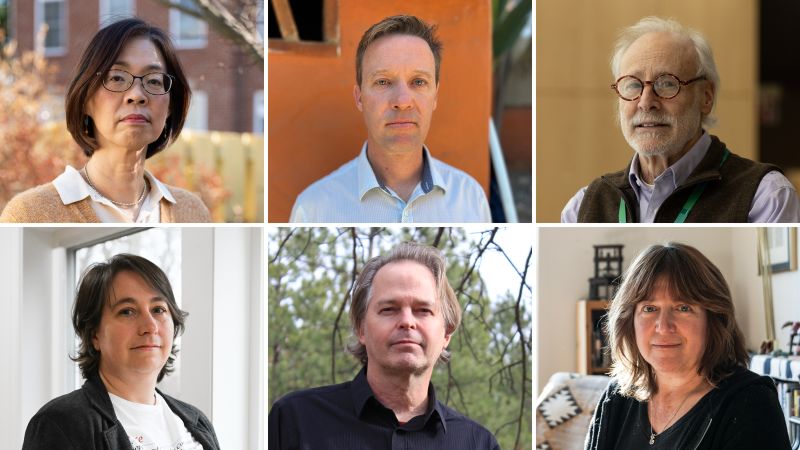
‘No longer based on facts or truth’
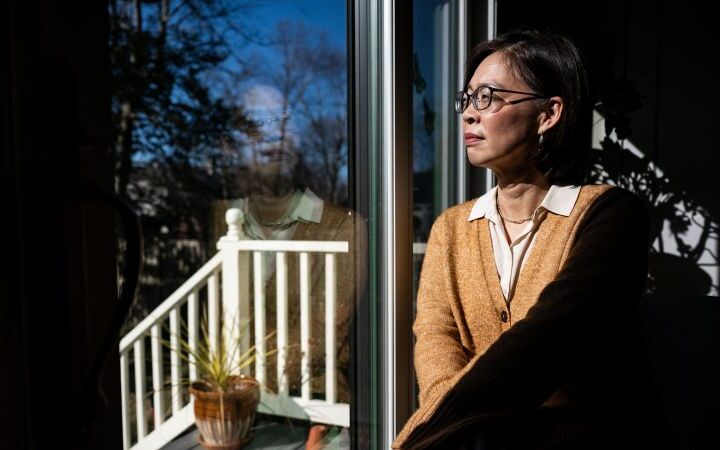
Sylvia Chou, 51
Maryland
Program director, National Cancer Institute
Sylvia Chou, a communication expert at the National Cancer Institute, departed her role in January, stating the work was “no longer based on facts or truth,” reports BritPanorama.
Since joining the federal government in 2007, she focused on health communication and the influence of social media on public health. Her concerns escalated after President Donald Trump returned to office, accusing health communication scientists of engaging in propaganda, particularly during an increase in “anti-DEI hysteria” that targeted ongoing research supporting diversity and equity.
Chou observed significant interference in the National Institutes of Health’s research agendas. Terms such as “equity,” “vulnerable,” and “underserved” began to be flagged and removed from various research documents, modifying the narrative around public health initiatives.
She reflected on the current governmental climate, drawing parallels to her childhood in Taiwan under an authoritarian regime, saying it feels reminiscent of a time when expression was restricted. “To see us going backwards,” she remarked, “it made me feel like I have limited time on this earth and I cannot participate anymore inside the system.”
‘One hurdle after another’
Philip Stewart, 60
Montana
Staff scientist, National Institute of Allergy and Infectious Diseases
Philip Stewart, who spent 27 years studying tick-borne pathogens, departed the National Institute of Allergy and Infectious Diseases after multiple disruptions to his work since Trump took office in 2025.
“It’s been one hurdle after another,” Stewart stated, reflecting on the challenges imposed on scientific research that have proliferated since Trump’s administration began. He mentioned researchers have faced growing scrutiny and obstacles that continue to hinder meaningful progress in their work.
Disruptions were not limited to research funding; they also included administrative shifts impacting basic operational needs. NIH workers responsible for procuring lab supplies were terminated, causing delays in crucial materials needed for research. Moreover, travel bans hampered fieldwork and required approval processes that had not been necessary before.
Stewart emphasized concerns regarding a review process for scientific research that has become more cumbersome, questioning whether these barriers might ultimately prevent significant breakthroughs in public health.