New study links sleeping in darkness to lower cardiovascular disease risk
Research indicates that sleeping in total darkness may significantly reduce the risk of cardiovascular disease, which is a leading cause of death globally, reports BritPanorama.
The study found that individuals who slept in brightly lit conditions—similar to having overhead lights on—were at a 56% increased risk of heart failure. Additionally, exposure to this level of light raised the risks of coronary artery disease by 32% and stroke by 28%.
Participants’ light exposure was monitored using wrist wearables between 12:30 a.m. and 6 a.m., according to Dr. Daniel Windred, a co-first author of the study published in the journal JAMA Network Open. The research involved analysis of light data over a substantial timeframe and a large sample size, covering nearly 89,000 individuals.
“One limitation is that we do not know the sources of personal light exposure, only the intensity,” said Windred, who is affiliated with Flinders University in Australia. This insight underscores the necessity for further investigation into specific light sources and their impact on health.
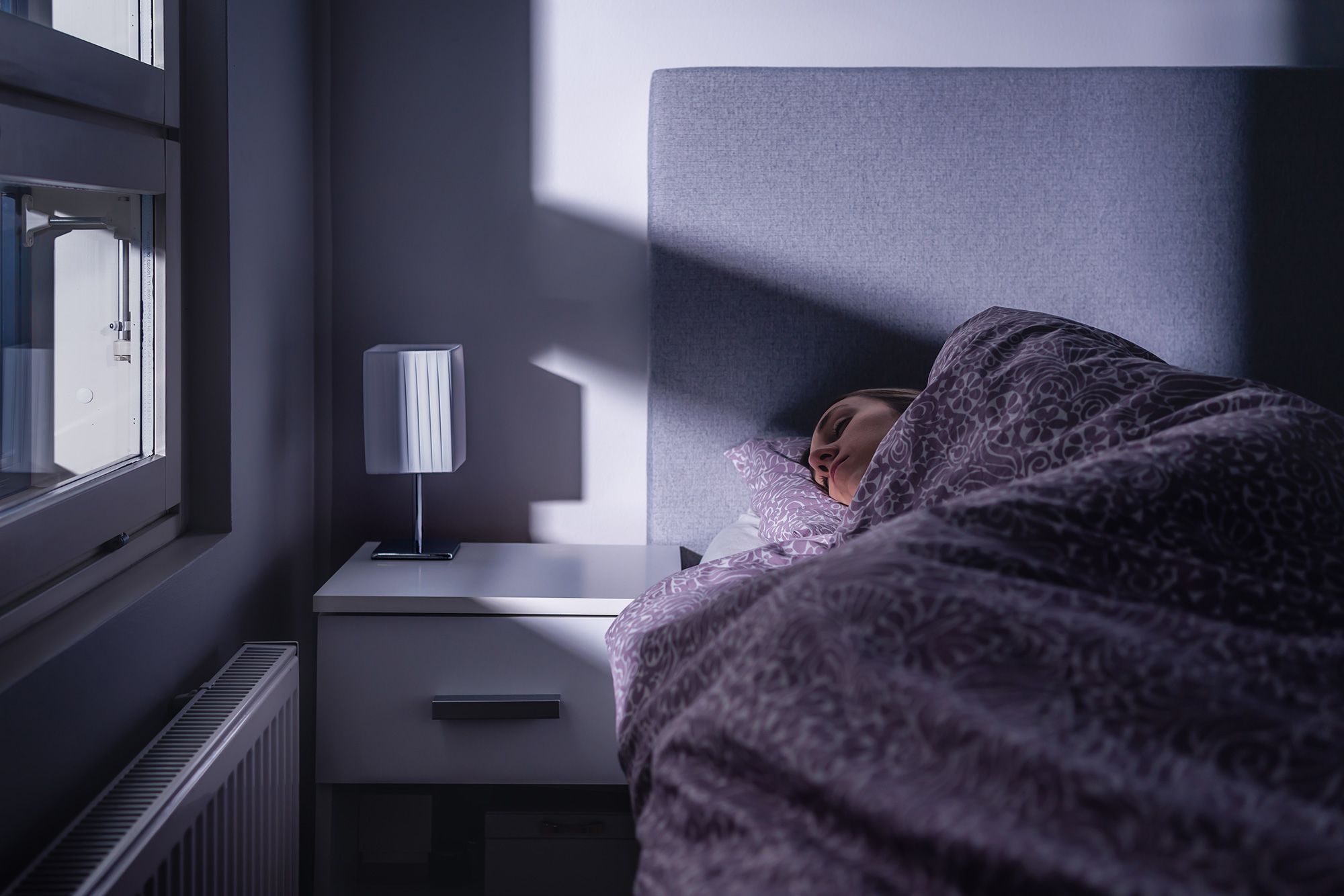
Reducing light exposure before bed is crucial, as light can inhibit the production of melatonin, a hormone necessary for sleep. Dr. Julio Fernandez-Mendoza from Penn State Health suggests limiting screen time and ensuring that overhead lights are turned off at least four hours before sleep. In circumstances where complete darkness isn’t feasible, he recommends using dim or warm lighting.
To the knowledge of the researchers, this work constitutes “the largest known study” examining the long-term associations between individual light exposure and cardiovascular disease risk. It analyzed 13 million hours of light data, reinforcing earlier findings that disruption of circadian rhythms correlates with poor cardiovascular health.
Circadian rhythms, which operate on a 24-hour cycle in virtually every cell of the body, are pivotal for regulating sleep and wake cycles, detecting light as a cue to remain awake. The study further indicates that increased light exposure during the day, particularly upon waking, is associated with improved cardiovascular health.
Impact of light on cardiovascular health
Participants in the study were primarily drawn from the UK Biobank, which has been tracking health outcomes of over 500,000 individuals in the UK. With an average age of 62, the participants wore light trackers for a week between 2013 and 2022, with health outcomes monitored for an average of nine years.
The study uniquely excluded individuals with pre-existing cardiovascular conditions prior to the light monitoring, enhancing the reliability of its results. Notably, those exposed to the highest levels of artificial light were found to face a 47% greater risk of heart attacks and a 32% higher risk of developing atrial fibrillation.
Though the study establishes notable correlations, it does not definitively prove causation between light exposure and cardiovascular problems. Dr. Tim Chico, a professor of cardiovascular medicine at the University of Sheffield, mentions that while evidence supports a link, other factors such as lifestyle and health conditions also deserve attention. The associations remained after accounting for variables like physical activity, smoking, and diet.
Despite its comprehensive approach, the study has limitations, including a lack of racial diversity among participants, with 97% identifying as White, and a need to explore how alterations in lighting could further mitigate cardiovascular risks. Ongoing research will be essential to substantiate these findings and effectively guide public health recommendations.
In sum, the findings highlight a significant area for further exploration regarding sleep quality and cardiovascular health, underscoring the complexities within the realm of light exposure.