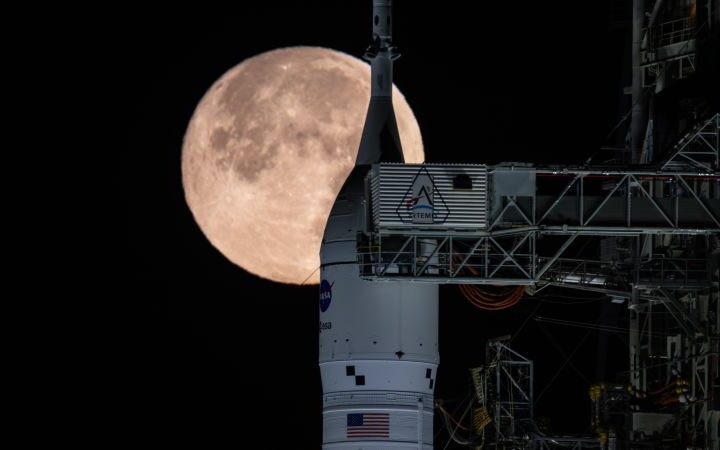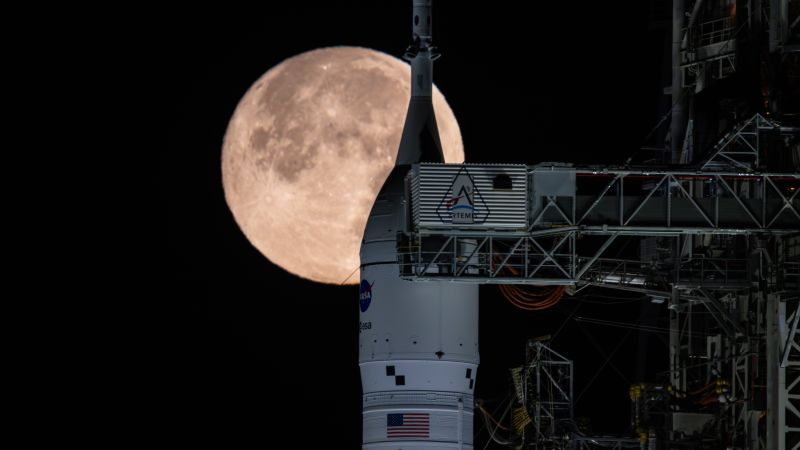
NASA’s Artemis II mission has faced significant setbacks as engineers continue to address recurring issues with fuel leaks, prompting delays in the planned moon mission that was set to feature a historic 10-day trip around the moon. The ongoing challenges have raised questions about the reliability of the rocket and its fuel system, reports BritPanorama.
In early February, a pre-launch wet dress rehearsal was abruptly halted due to safety concerns arising from super-chilled liquid hydrogen leaks detected at the launchpad. Such leaks recurred multiple times, causing launch controllers to stop the fuel flow to the rocket and leading to more than a week of investigations and repairs. The cumulative effect of these issues has left NASA unable to complete the full test required for mission readiness.
The current situation echoes the difficulties encountered during the Artemis I mission in 2022, where similar hydrogen leak issues almost postponed the uncrewed test flight. Engineers had to manually fix a leaky valve shortly before launch, a situation that reflects the historical challenges associated with hydrogen, which has been a concern since its early use in rocket engines. Hydrogen is notorious for its volatility, and even small leaks can pose serious safety risks, emphasizing the complexities engineers face on the ground.
A tiny molecule with a powerful punch
Hydrogen’s use in rocket fuel began in the mid-20th century, particularly during the Apollo moon missions. Despite its efficiency, hydrogen has consistently posed leak challenges across different rocket systems. The Vulcan Centaur rocket, for instance, also experienced a leak-related fireball explosion during testing in Alabama in 2023, further highlighting the difficulties with hydrogen as a fuel choice.
Experts note that hydrogen’s lightweight nature is both a benefit and a challenge. “It tends to find its way out of things you want to try to contain it in,” said Adam Swanger, a senior principal investigator at NASA’s Kennedy Space Center. This property contributes to hydrogen’s favorable specific impulse – a measure of thrust efficiency – making it an attractive option despite the persistent complications associated with its handling during launch preparations.
During liftoff, the high efficiency of hydrogen helps rockets perform better; however, its tendency to leak poses a significant conundrum. The SLS rocket utilizes hydrogen for both its upper and first-stage propulsion, a choice influenced by legislative decisions mandating the use of Shuttle-era technology and workforce. Casey Dreier, chief of space policy at the Planetary Society, underscored that the design choice to stick with hydrogen has implications on operational efficiency and reliability of the SLS program.
Political factors
The continued use of hydrogen is partly due to historical ties to the Shuttle program rather than innovations in design. While some modern rockets employ more manageable fuels like methane for their initial stages, NASA’s Artemis program remains committed to hydrogen across the board. Such a strategy, forged through congressional mandate, has led to operational challenges, particularly as engineers navigate the legacy issues stemming from earlier designs.
As it stands, NASA acknowledges that the Space Launch System is still an “experimental vehicle.” This status affects how the agency views its operations and the expectations surrounding the rocket’s performance. The agency has yet to classify the SLS as fully “operational,” as it continues to work through the initial flights and necessary testing. NASA Administrator Amit Kshatriya indicated that pinpointing the causes of hydrogen leaks remains elusive, yet addressing them is vital to the overall mission’s success.
Despite the technical hurdles, NASA has made strides in recent tests by employing new techniques to manage seal integrity and lessen the leakage risks during hydrogen loading. There have been indications of improvements, as leaks observed in previous rehearsals were not detected in newer tests. However, the overarching challenge remains: will hydrogen leaks continue to shadow the SLS program, or can the agency find a permanent solution?
As engineers strive for a resolution, progress is underway. The complexities involved in managing hydrogen fuel underscore broader questions about the SLS’s future, particularly considering the regulatory context driving material choices. Insights gained from current troubleshooting may influence future endeavors, as NASA pushes ahead with plans to return humans to the moon.
The enduring challenges with hydrogen provide a critical learning opportunity for space exploration, highlighting the delicate balance between innovation, safety, and ground-breaking ambitions in human spaceflight.