Nasa’s ambitious moon base vision announced
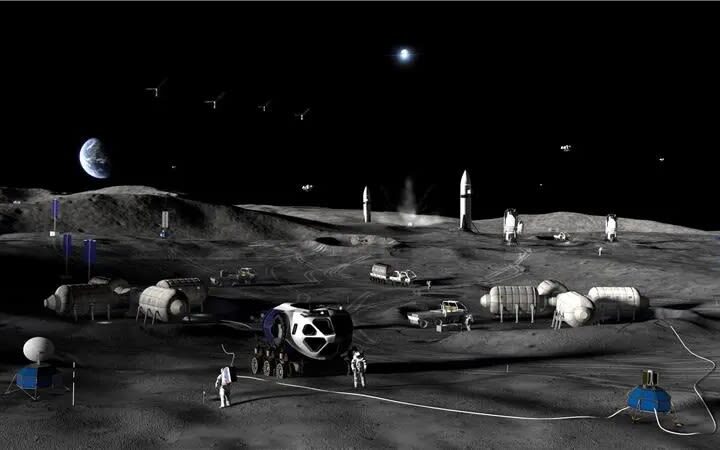
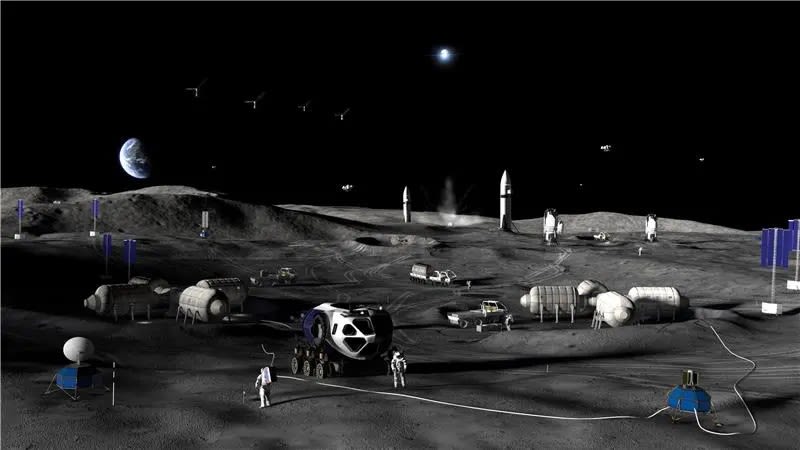
Nasa’s new chief has reshaped the space agency’s goals, unveiling an ambitious vision for a moon base at an event in Washington, D.C. This marks the first time Nasa has shared a timeline and road map for establishing a permanent lunar settlement, reports BritPanorama.
Administrator Jared Isaacman stated, “The moon base will not appear overnight,” indicating a planned investment of approximately $20 billion over the next seven years to build it through dozens of missions.
While the scale of this financial commitment is significant, it remains unclear how much of the $20 billion will come from existing budgets or require new funding. Details on the financing are yet to be clarified.
Additionally, Isaacman announced a new goal for a nuclear-powered Mars vehicle, expected to launch by 2028, underscoring the accelerated pace at which Nasa aims to push towards deep space exploration.
Shelving a lunar space station
Since assuming his role, Isaacman has prioritized bold changes within the agency. Plans were revealed to pause collaboration with international partners on the Gateway, a proposed lunar space station that would have supported missions to the moon’s surface and beyond.
He expressed a more aspirational tone than previous administrators, stating, “If we concentrate Nasa’s extraordinary resources on the objectives of the National Space Policy, clear away needless obstacles that impede progress, and unleash the workforce and industrial might of our nation and partners, then returning to the moon and building a base will seem pale in comparison to what we will be capable of accomplishing in the years ahead.”
Existing resources earmarked for the Gateway will instead support the lunar base initiative. Isaacman’s strategy is firmly focused on laying down the groundwork for a sustainable presence on the moon.
A major change up
With the sidelining of the Gateway project, Isaacman is pushing Nasa to rethink its requirements and redefine how its infrastructure operates. He conveyed to commercial partners that the agency will not tolerate delays, referencing the significant overruns and schedule slips of past projects such as the Orion crew capsule and Space Launch System rocket.
Plans also include increasing the frequency of robotic landings on the moon to a monthly schedule, which will complement crewed missions carried out under the Artemis program. The Artemis II mission is set to launch as soon as April 1, with the goal of returning astronauts to the lunar surface by early 2028.
A new Mars mission
In a further expansion of Nasa’s ambitions, Isaacman introduced the Space Reactor-1 Freedom mission aimed for 2028. This mission will test nuclear electric propulsion technology, which offers potential for efficient deep space travel. Alongside this, it incorporates objectives from a previously proposed mission focused on deploying helicopters to explore Martian terrain.
The overall financial framework for these ambitious projects remains under discussion, as does the public’s readiness for nuclear technology in space exploration. However, plans are in place to sensitize the public regarding safety measures associated with any nuclear systems utilized.
As Nasa navigates this transformative phase, the emphasis remains on practical steps toward achieving a sustainable human presence both on the moon and beyond.