EJ Dickson discusses modern motherhood and the pressure on women
In her latest book **”One Bad Mother,”** EJ Dickson addresses the intense pressures mothers face in contemporary society, exploring themes of judgement and internal guilt, reports BritPanorama.
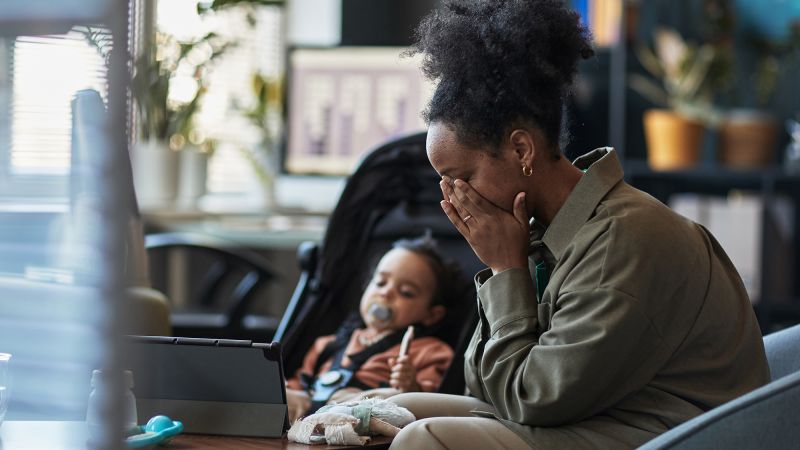
When Dickson was informed by her son’s preschool teacher that he might be struggling, she encountered mixed reactions from friends and family, with some insisting she was not doing enough while others suggested she was overreacting. This experience is a microcosm of the broader societal perceptions surrounding motherhood, where women are often labelled as “bad moms” irrespective of their efforts or intentions.
Throughout her writing, Dickson highlights the **cultural scrutiny** women endure regarding their parenting choices. She argues that this scrutiny is often unfounded, leading to harmful self-doubt and anxiety among mothers. The book critiques the societal standards dictating how mothers should present themselves, emphasizing that the **idea of a “bad mother”** can apply to anyone diverging from conventional expectations.
In a conversation with **CNN**, Dickson elaborated on the complexities of motherhood today. She described the phenomenon of **intensive parenting** as akin to *helicopter parenting*, where mothers excessively control various aspects of their children’s lives, particularly regarding who they associate with and how they spend their time. Dickson warns that such overbearing involvement can restrict children’s ability to learn from their own mistakes and develop independence.
As Dickson points out, **maternal anxiety** is exacerbated in an age where every choice is visible and subject to public scrutiny, particularly on the internet. She notes a disturbing trend of mom-shaming online, where mothers are criticized for perceived shortcomings, such as their dietary choices for their children. The commentary on fatherhood differs sharply; fathers often receive less scrutiny overall, with Dickson asserting that societal expectations set a lower bar for fathers, resulting in a disparity where mothers are judged more harshly for their parenting decisions.
With her writing, Dickson aims to create awareness about these systemic issues, addressing the profound impact they have on women’s mental health. She calls for a shift in societal perceptions, advocating for recognition of the **value of support** and mutual understanding among parents rather than judgement.
The conversation surrounding Dickson’s insights reveals a critical reflection on evolving parenting norms and an urgent need for a cultural dialogue that acknowledges the nuanced realities of motherhood, making room for support rather than judgement.