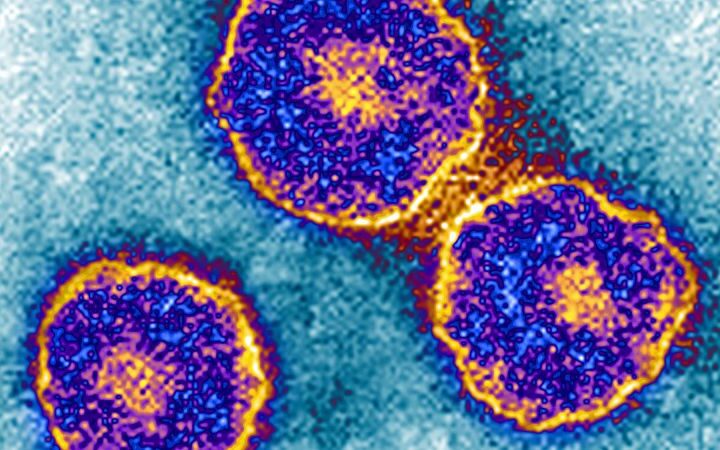
In a tragic turn of events, Ellie Rudd, a lively four-year-old girl from Ogden, Utah, passed away on January 6 after complications from the flu and a co-infection with an adenovirus led to pneumonia and sepsis, reports BritPanorama.
Ellie, who was known for her love of dressing up and dancing with her siblings, succumbed to illnesses that escalated rapidly despite her previously robust health. Her mother, Sarah Rudd, stated, “She was probably my healthiest of all my kids,” recalling how Ellie had no previous medical issues or health concerns.
This flu season has proved particularly deadly; at least 17 children have died in the United States thus far, with some experts warning that numbers could rise as more states report their statistics. The previous flu season resulted in a record 289 pediatric deaths. Current reports indicate that outpatient visits for flu-like symptoms have surged to levels not seen in nearly three decades, driven by a new virus strain identified as subclade K.
Dr. Buddy Creech, a pediatric infectious disease expert at Vanderbilt University, explained that the strain emerged after predictions for the seasonal flu vaccines were made, preventing timely adjustments to the shots. Although vaccines this year do not include protection against subclade K, research has suggested some people may still develop antibodies against it.
When the flu strikes
The onset of illness in the Rudd household began on Christmas Day. The flu initially affected Sarah, who described her experience as “pretty rough,” but assumed her children were fine. However, once the symptoms cascaded through the family, it became clear they were facing a significant health crisis.
By New Year’s Day, all three older children, including Ellie, had fallen ill. Their mother, although never having taken the flu vaccine before, questioned the decision not to get vaccinated that year. By January 2, Ellie exhibited a concerning cough, prompting Sarah to seek medical attention.
Upon arriving at the hospital, tests confirmed Ellie had both the flu and adenovirus, which can escalate respiratory illness. Initial assessments did not indicate pneumonia, yet her oxygen levels dropped, leading to hospital admission for further treatment.
Ellie was closely monitored overnight due to her fluctuating condition. Yet, the following day brought a severe turn; she developed pneumonia in one lung and exhibited signs of sepsis, necessitating airlifting to a specialized hospital.
Over the following days, her condition showed signs of decline. Despite receiving advanced treatments, including extracorporeal membrane oxygenation (ECMO) to sustain her heart and lung functions, complications arose. By January 5, the medical team faced grim realities as blood clots developed in Ellie’s heart.
As the situation escalated, Sarah described the overwhelming feeling of chaos they faced. She recounted moments of despair as Ellie’s health deteriorated rapidly, ultimately resulting in a stroke due to compromised brain function from a lack of blood flow.
The danger signs
Dr. Creech remarked on the how swiftly the flu can claim young lives, emphasizing the importance of being vigilant. Parents should observe signs such as breathing difficulties, lethargy, and dehydration, which can indicate worsening conditions.
“When children appear okay but quickly decline, it can be perilous,” said Creech, underscoring the need for parents to monitor their children’s health actively, especially during peak flu seasons.
A message to other parents
Following Ellie’s tragic passing, family and friends have surrounded the Rudd family, offering support. A GoFundMe page was established to assist with medical and funeral costs, illustrating the community’s response in such a trying time.
In light of their experience, Sarah urged other parents to reconsider the importance of flu vaccinations. “Honestly, just get your flu shots,” she advised, recognizing that while their outcome was devastating, preventative measures could potentially save lives in the future.
Ellie Rudd’s story underscores the urgent realities of flu season this year, where unpredictability reigns amidst a background of rising illness and increasing fatalities among children.