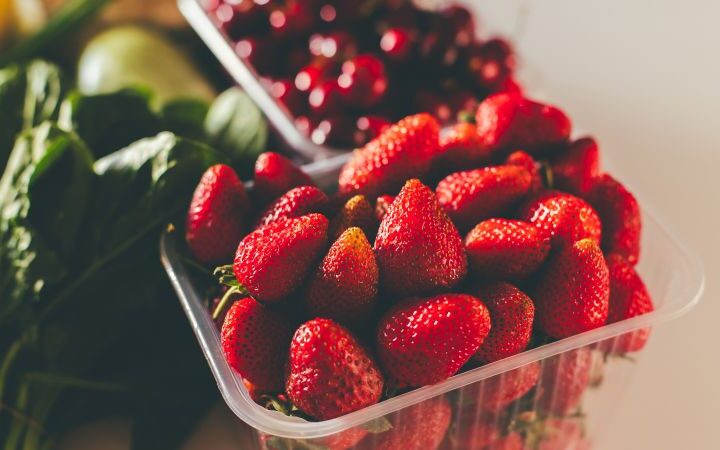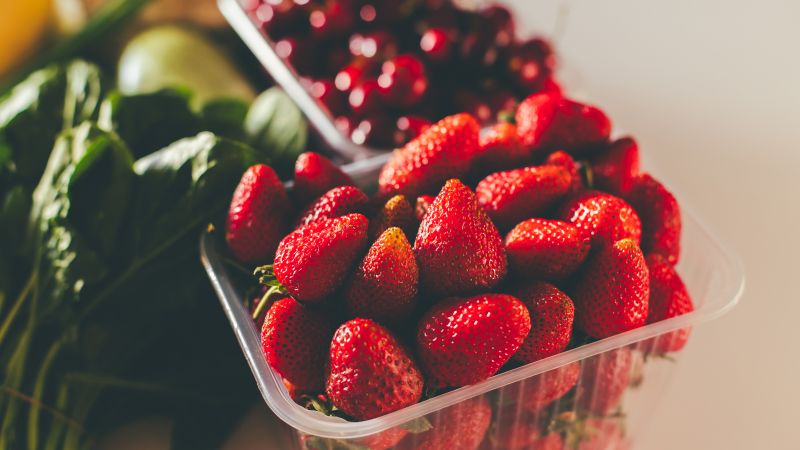
Leafy greens such as spinach and perennial favorites like strawberries and grapes are reported to have the highest levels of potentially harmful pesticide residues based on government tests, according to the 2026 Shopper’s Guide to Pesticides in Produce, reports BritPanorama.
Nectarines, peaches, cherries, apples, blackberries, pears, potatoes, and blueberries fill out this year’s “Dirty Dozen,” a list of the most pesticide-laden fruits and vegetables, according to a report released by the Environmental Working Group (EWG), a health advocacy organization.
Spinach tops the list, possessing more pesticide residue by weight than any other produce type and averaging four or more different pesticides. This annual report has been published by the EWG since 2004.
Testing revealed that samples of each produce type averaged four or more pesticides, with potatoes averaging two. Experts express concern over exposure to mixtures of pesticides, as these may accumulate and increase health risks.
The EWG’s report was based on an examination of the most recent pesticide residue tests conducted by the US Department of Agriculture, encompassing 54,344 samples from 47 fruits and vegetables.
Before the USDA evaluates each sample, the fruits or vegetables are typically peeled or scrubbed and thoroughly washed, mimicking consumer habits at home. Despite these precautions, traces of 264 pesticides were detected, with 203 appearing on the Dirty Dozen produce.
Health impacts of pesticides
Pesticides have been potentially linked in previous studies to premature births, congenital malformations, spontaneous abortions, and genetic damage in humans. Furthermore, exposure has been associated with lower sperm concentrations, heart disease, cancer, and other disorders.
Children are particularly vulnerable to pesticide contaminants, even in utero. According to the American Academy of Pediatrics, pesticide exposure during pregnancy may increase the risk of birth defects, low birth weight, and fetal death. Exposure during childhood is linked to learning problems and cancer.
The Alliance for Food and Farming, representing organic and conventional produce farmers, has consistently criticized the annual report.
Prior USDA and FDA reports indicate that farmers adhere to stringent regulations when using pesticides, ensuring the safety of the fruits and vegetables consumed by American families. An AFF spokesperson noted that the mere presence of a pesticide residue does not equate to safety concerns, as the EPA establishes limits that include safety margins for infants and children.
Forever chemicals in our food
For the first time, the report indicates that over 60% of all Dirty Dozen samples contained pesticides identified as “forever chemicals,” known as PFAS. The top three detected pesticides were perfluoroalkyl and polyfluoroalkyl substances.
PFAS are termed forever chemicals due to their molecular bonds, which can take years to centuries to break down in the environment.
Bernadette Del Chiaro, EWG’s senior vice president for California operations, stated that the PFAS pesticide is effective in its function of eliminating pests, underscoring the significant concern for public health and the broader environment.
Several PFAS chemicals have been linked to serious health conditions, including cancer, obesity, and hormone disruption, with some able to cause harm at extremely low levels.
CropLife America, representing the pesticide industry, criticized the EWG’s annual report as a fearmongering campaign that promotes distrust in the food system. They assert that over 99% of tested produce meets the EPA’s safety standards.
Reducing pesticide exposure from produce
As part of its annual findings, the EWG also publishes a “Clean Fifteen” list, identifying nonorganic produce with the lowest pesticide residues.
This year, nearly 60% of the Clean Fifteen samples exhibited no detectable pesticide residues, with pineapple, sweet corn, and avocados noted as the least contaminated. Other fruits and vegetables on the list include papaya and asparagus.
Experts emphasize that while it is not advisable to stop consuming fresh produce, it is vital to incorporate a variety of fruits and vegetables into the diet. Choosing more items from the Clean Fifteen list and organic versions of the Dirty Dozen can effectively reduce pesticide exposure.
Studies indicate that consuming organic foods can lower pesticide levels in humans. Experts advocate that all produce, even organic, should be washed before consumption to prevent the transfer of dirt and bacteria.
Firm produce such as carrots and melons can be scrubbed under running water, while other types should be rinsed gently. The FDA advises against using bleach, soap, or special produce washes, as these can be absorbed by porous fruits and vegetables.
When preparing leafy greens, it is recommended to remove the outermost leaves and rinse each leaf carefully without using high-pressure water to avoid bruising.
Experts suggest using low-pressure water that is warmer than the produce and a colander to ensure thorough cleaning. Exceptions apply to pre-washed bagged greens, which do not require additional washing.
The ongoing discourse surrounding pesticide use continues to evoke concern as public health implications unfold alongside agricultural practices.