A high-traffic dinosaur freeway discovered in Bolivia
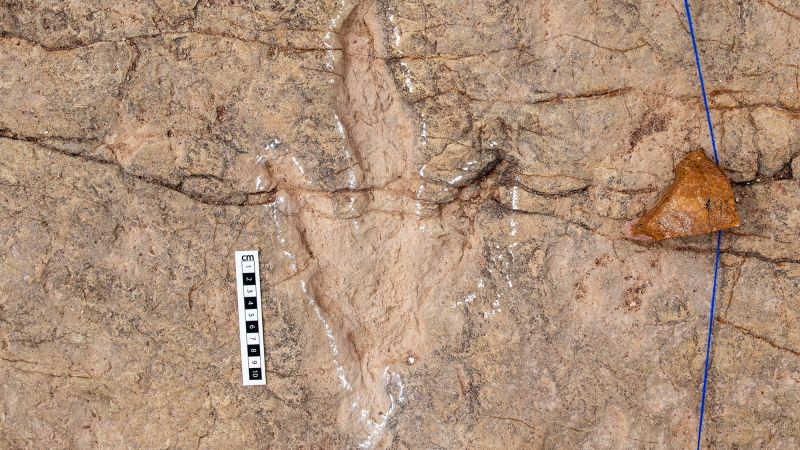
A significant discovery at the Carreras Pampas tracksite in Bolivia reveals what researchers describe as a “dinosaur freeway,” previously utilized by theropods — three-toed, bipedal meat-eating dinosaurs. This thoroughfare may have stretched across a shoreline where thousands of fossil footprints have been uncovered, illustrating the dynamic movement of these ancient creatures, reports BritPanorama.
Researchers have cataloged 16,600 theropod tracks, making it the largest count from any trackway site worldwide. These tracks date back between 101 million and 66 million years, roughly aligning with the late Cretaceous period and showcasing the area as a crucial habitat for these dinosaurs.
The study, published in the journal PLOS One, represents the first comprehensive survey of the footprint-laden zones, which extend over approximately 80,570 square feet (7,485 square meters). While some impressions stand alone, many form continuous trackways made by individual animals.
“Everywhere you look on that rock layer at the site, there are dinosaur tracks,” stated Dr. Jeremy McLarty, the study’s coauthor and a professor of biology at Southwestern Adventist University in Texas.
Most of the footprints were oriented in a north-northwest to southeast direction and appeared to have been made over a short timeframe. This indicates that Carreras Pampas acted as a significant thoroughfare for theropods and might be part of a larger network extending through Argentina, Bolivia, and Peru.
Analysis of the tracks reveals varying behaviors: some theropods moved leisurely while others sprinted, with over 1,300 tracks showing signs of swimming in shallow water. The deeper tracks provide crucial evidence of their movement, as the arrangement and depth varied depending on the activity.
Several trackways also show drag marks from the dinosaurs’ tails, while varying sizes of footprints suggest a broad range of dinosaur dimensions, with hip heights ranging from about 26 inches (65 centimeters) to over 49 inches (125 centimeters). The site also features tracks made by birds cohabitating with the theropods.
Incredible implications
Identifying these abundant tracks has significant implications for paleontology. “It has incredible implications for reconstructing these ancient environments and how dinosaurs and birds interacted within them,” remarked paleontologist Sally Hurst, an adjunct fellow at Macquarie University.
The footprint preservation at varying depths in previously soft mud showcases various movement patterns, offering insights into the behavioral dynamics of these prehistoric animals. “These tracks are a record of soft tissues, movements, and the environments the dinosaurs were living in,” said Dr. Peter Falkingham, a professor of paleobiology at Liverpool John Moores University.
Researchers noted the different sizes of theropods represented in the tracks could indicate multiple species or age classes. The significance of the Carreras Pampas findings lies not only in the abundant tracks but also in how these tracks provide a direct connection to the ancient ecosystem.
As McLarty reflects, “When you visit Carreras Pampas, you know you are standing where a dinosaur walked.” The study of these tracks opens new avenues for understanding the behaviors and environments of these ancient creatures, reinforcing the value of trackways in paleontological research.
To explore further, questions remain regarding the paralleled findings at other Bolivian sites, including the renowned Cal Orck’o, which boasts about 14,000 prints dating back 68 million years. The evolving narrative of dinosaur behavior and migration patterns becomes increasingly richer as researchers continue to dissect these fascinating clues from the past.