NASA astronaut discloses health issue during ISS mission
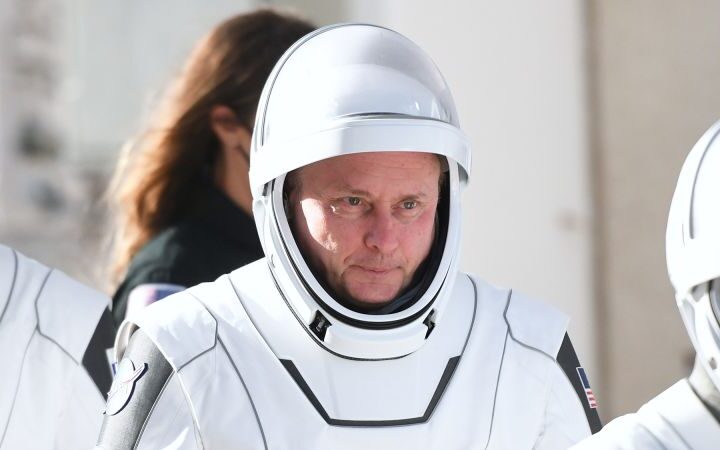
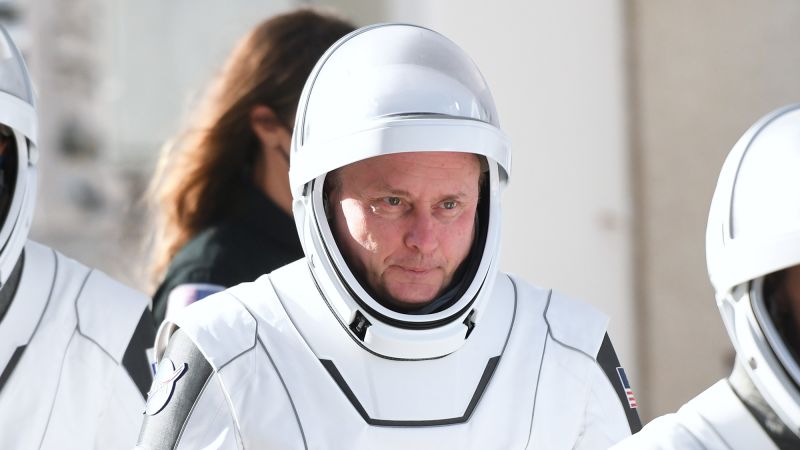
NASA astronaut Mike Fincke has confirmed he experienced a concerning “medical event” that prompted an early exit from the International Space Station last month, reports BritPanorama.
Fincke, along with fellow astronauts Zena Cardman, Kimiya Yui from the Japan Aerospace Exploration Agency, and Oleg Platonov of Roscosmos, returned to Earth in mid-January, leaving only three crew members on the ISS. This incident marks the first time NASA has cut short a staffing mission due to health concerns.
At the time, the nature of the medical event was not disclosed. Fincke, however, did not elaborate on his condition beyond identifying himself as the affected astronaut. He indicated that his medical status improved quickly due to the prompt actions of his crewmates and guidance from NASA flight surgeons.
“I experienced a medical event that required immediate attention from my incredible crewmates,” Fincke stated. He noted that NASA made the decision to return the crew to Earth to utilize advanced medical imaging unavailable in space.
While equipped with basic medical supplies, the ISS lacks the comprehensive resources of a conventional emergency room. NASA had previously assured the public that the affected astronaut was in stable condition, yet details remain unclear on the severity of the incident or the specifics of the response by his fellow astronauts.
NASA maintains a policy of protecting the personal medical information of its astronauts. Information related to the effects of spaceflight on health is typically shared as part of broader scientific studies rather than individual cases.
NASA’s privacy protocol
Following their return, Fincke and his crewmates briefed the media at a news conference. They refrained from naming the astronaut who faced the health issue, asserting that their return was not an emergency and underscoring the effectiveness of their training.
“How we handled everything all the way through, from nominal operations to this unforeseen operation, really bodes well for future exploration,” Fincke commented during the January 21 press conference.
The sudden medical issue led to a cancellation of a scheduled spacewalk and expedited the team’s return journey. NASA then worked rapidly towards the launch of the upcoming Crew-12 mission to restore the station’s staffing levels.
A new group of four astronauts, known as Crew-12, arrived at the ISS on February 14, bringing the crew count back to seven, which is optimal for conducting essential scientific work.
“I’m doing very well and continuing standard post-flight reconditioning at NASA’s Johnson Space Center in Houston. Spaceflight is an incredible privilege, and sometimes it reminds us just how human we are,” Fincke concluded, expressing gratitude for the support he received.
The implications of this incident highlight the ongoing challenges of human health in space exploration, a topic that continues to garner significant scrutiny in the context of NASA’s future missions.