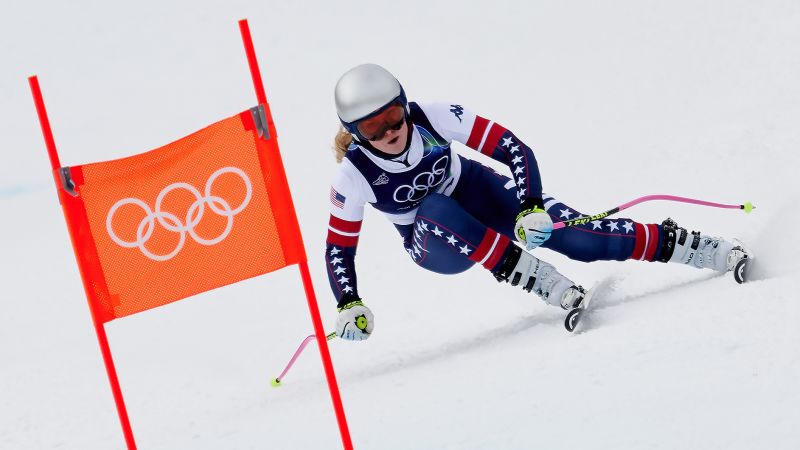
Three-time Olympic medalist Lindsey Vonn’s recent participation in alpine ski racing, despite recovering from a torn ACL, has sparked discussions around the themes of resilience and endurance in professional sports, reports BritPanorama.
As she took to the slopes during the Milano Cortina 2026 Winter Olympics, Vonn’s determination drew admiration from fans, yet it also raised questions about the implications of competing with injuries for both professional athletes and everyday individuals. While such feats can inspire, they can also produce misleading narratives about recovery and performance.
The choices that elite athletes make when competing with injuries do not serve as effective guidelines for the general public. The differences lie not only in physical toughness but also in access to healthcare resources and the broader context each individual operates within during recovery.
When non-professionals sustain injuries, they often encounter a dichotomy: either ceasing all activity or attempting to train through the pain, mimicking the behaviors of elite athletes like Vonn. Both extremes can impede recovery and potentially exacerbate injuries. Instead, a balanced approach that incorporates appropriate movement can aid in healing without causing harm.
In professional settings, athletes benefit from coordinated support among various specialists, including doctors, physical therapists, and coaches, who collectively monitor their physical and psychological condition. This framework allows for informed decisions regarding their return to sport, indicating a significant disparity between the experiences of elite competitors and recreational exercisers.
The dynamic of risk versus reward is markedly different for athletes engaged in competition, where short-term risks are often accepted for long-term objectives. The decision to compete is made within a tightly managed environment that considers the specific circumstances of each athlete.
Furthermore, unlike professional athletes who have extensive support systems, everyday exercisers typically lack the resources to interpret pain accurately. Engaging in activities without proper guidance can lead to delayed healing or the development of compounded injuries elsewhere in the body.
For most, the recovery journey should not be framed as an all-or-nothing scenario. Instead, finding the right type of movement at the right time is crucial. Complete inactivity might lead to stiffness and strength loss, while overly aggressive training can overwhelm the healing process. Strategically applied motion not only aids in rehabilitation but also supports overall health.
Rehabilitation science indicates that intelligent movement can substantially enhance recovery outcomes. Techniques such as cross-education training, where the uninjured limb is exercised, can sustain strength and neural connections in the affected area, fostering a more efficient return to physical activity.
Maintaining movement capability throughout recovery involves targeted training to strengthen surrounding muscles, which contributes to a holistic rehabilitation process and reduces the risk of future injuries. This strategic approach to exercise emphasizes proper alignment, controlled movement quality, and gradual progression, rather than emotional responses to pain.
In sum, while elite performances can inspire, they should not redefine standards for personal recovery. The primary goal during injury is to protect long-term health and empower individuals to choose movements that facilitate healing over merely demonstrating resilience. Effective recovery hinges on the right type of exercise, guided by healthcare professionals, executed with patience, and grounded in a realistic understanding of one’s physical capacities.
As the conversation around athletic resilience continues, it underscores the importance of a nuanced perspective in navigating the complexities of injury recovery and athletic performance.