Leucovorin, touted by Trump as a new autism treatment, sparks hope and debate
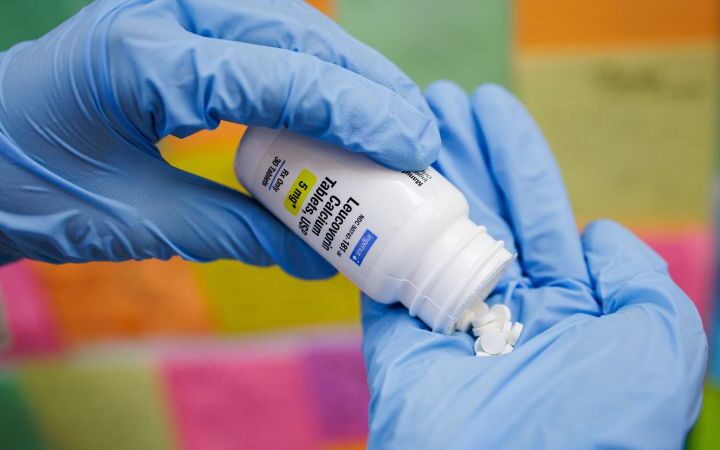
As President Trump promotes leucovorin — a decades-old folate drug typically used in cancer care — for autism, CNN profiles a Minnesota family who says it transformed their 4-year-old’s life, though experts continue to debate whether the evidence supports its use, reports BritPanorama.
Proponents argue that leucovorin’s effects on cognitive function and behavior can offer a new avenue of support for children with autism spectrum disorder. The family featured in the report claims significant improvements after introducing the drug into their child’s treatment regimen. Yet, these anecdotal accounts raise questions about the generalizability of such outcomes.
Critics remain cautious, emphasizing the need for rigorous scientific studies to ascertain the drug’s effectiveness and safety for this off-label use. The medical community is divided, with some specialists warning that the push for leucovorin may overshadow more established interventions that have proven benefits.
This ongoing discussion underscores the complexity surrounding alternative treatments in autism therapy. As awareness grows about the potential of older medications like leucovorin, the imperative for evidence-based research becomes increasingly pressing. The situation remains dynamic, with stakeholders awaiting further clarity on the drug’s viability as a treatment option.
As the national conversation continues, it is clear that the nexus of hope, medical inquiry, and regulatory oversight will shape the future of autism treatments.