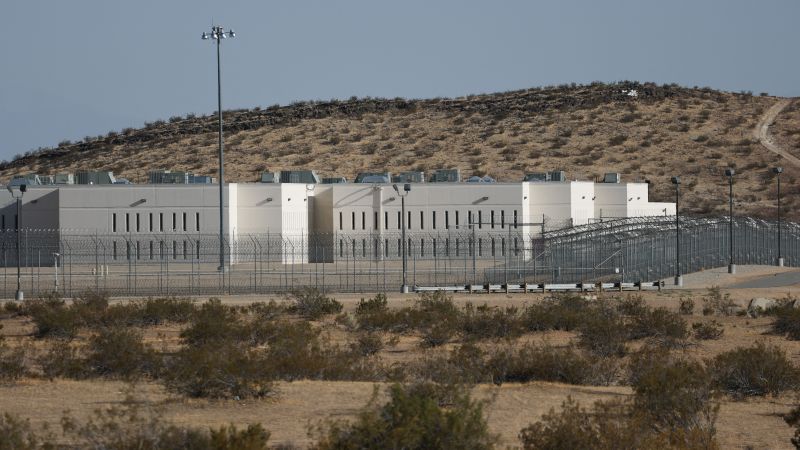
Fernando Viera Reyes, in need of a biopsy for suspected prostate cancer, was sent to an immigration detention center in California’s Mojave Desert, where he faced long delays for the needed medical procedure, reports BritPanorama. Despite repeated requests, he endured months of waiting, even as symptoms—such as blood in his urine—potentially indicated a worsening condition.
Now 51, Reyes’s situation exemplifies a broader problem within the immigration system. “It may have gone from very treatable to metastasized,” said Kyle Virgien, a lawyer with the American Civil Liberties Union (ACLU) involved in the lawsuit against the federal government regarding treatment in detention. Virgien highlighted the inadequacy of medical care amid overcrowded conditions, stating, “There are vulnerable populations; it’s crowded. The medical care isn’t there to handle the increased number of people who are sick.”
The mass deportation efforts of the Trump administration have led to a significant increase in the number of immigrants detained, compromising healthcare standards. A review of over 200 pages of detainee lawsuits and independent reports indicates systemic violations of standards intended to ensure that immigrants receive timely medical care. Many reports highlight the lack of initial screenings and inadequate responses to health complaints among detainees.
Concerns about medical neglect and inadequate facilities come amid growing political backlash against the administration’s immigration policies. The situation is complicated further by tragic incidents; there have been reports of deaths in custody, prompting Democratic lawmakers to demand greater oversight and accountability. Notably, a complaint filed by Democratic members emphasized the necessity to rein in federal immigration agents within ongoing budget negotiations, illustrating the contentious political landscape.
Officials from the Immigration and Customs Enforcement (ICE) and the Department of Homeland Security (DHS) have yet to respond to requests for comment related to these grave allegations. The ICE Health Services Corps is tasked with overseeing medical standards, yet discrepancies in care remain evident.
In particular, the treatment conditions have garnered scrutiny. For instance, Rep. Kelly Morrison (D-MN), after visiting a detention center, noted the absence of adequate medical policies and care facilities, describing the environment as chaotic and dangerous. Her comments underscore a troubling pattern of neglect within the detention system.
As conditions in immigration facilities worsen, DHS has faced criticism for its management and oversight. The surge in detainee numbers has aggravated existing public health issues, noted advocates and medical professionals. “The challenges have been exacerbated because the pace of removals hasn’t kept up with the pace of detentions,” commented Drishti Pillai, emphasizing the need for immediate attention to detainee health care.
While ICE claims to provide comprehensive care, advocates contend that the reality often falls far short of these assertions. Reports from the field reveal alarming truths about the treatment of detainees, with increasing demands for transparency and accountability. The implications of these issues extend beyond individual cases, touching on broader concerns regarding human rights and public health within the immigration detention system.
As this situation unfolds, it signals a critical moment for policy reform and intervention, with stakeholders from various sectors urging the need for systemic change in how immigrant health care is managed in detention. The judicial landscape remains active, with recent orders necessitating adequate health care improvements and external monitoring of detention conditions.
The situation continues to evolve as health care access remains a prominent issue in discussions surrounding immigration policy, reflecting a larger conversation about the rights and dignity of individuals in custody.