Implementing rigid posture corrections can often lead to discomfort and dysfunction, as many find themselves frequently reverting to improper positions during daily activities. This cycle perpetuates the need for mindful adjustments; with proper strategies, individuals can achieve a more natural alignment, reports BritPanorama.
For instance, common advice like “sit up straight” and “pull your shoulders back” may superficially suggest good posture. However, such approaches often induce fatigue and produce adverse effects over time. When forcing an upright position, people can inadvertently create tension in the mid-back and neck, leading to further complications.
Additionally, holding a static posture impacts the alignment of the rib cage and pelvis, which can compromise deep breathing and diminish core stability. As bodies are inherently designed to move, maintaining a fixed position can result in fatigue and even chronic pain, suggesting a need for more dynamic approaches to posture.
Why posture-correcting cues backfire
Those corrective cues do little to encourage a fluid posture, which is not about freezing into position but rather about engaging the body’s strength and mobility. Effective posture involves engaging core muscles to support aligned movements.
Working with athletes, I emphasize movement patterns over static positions to develop more effective postural control. For example, Aaron Judge, a Major League Baseball All-Star, noted that integrating breathing mechanics into his training allowed him to feel more freedom in his movements and improved his sense of posture.
Thus, good posture transcends rigid positioning; it is about achieving flexibility and active alignment that facilitates natural movement while navigating daily tasks.
3 key elements of dynamic posture and how to train them
The following approaches collaboratively foster dynamic posture:
1. Proper breathing mechanics to create internal support
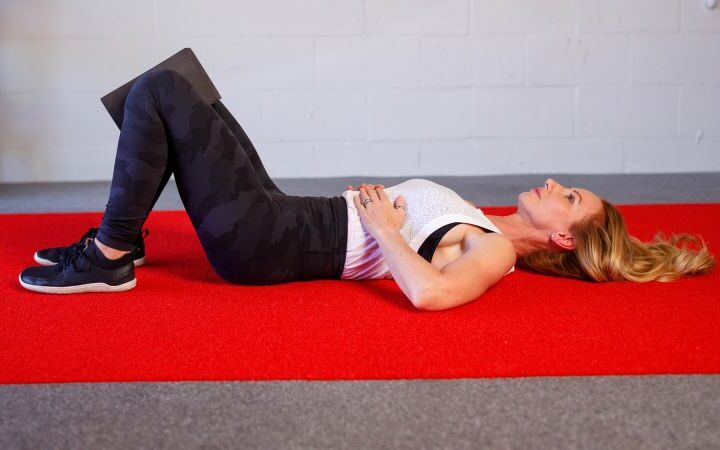
The diaphragm plays a crucial role not just in breathing but also in providing stability to the spine. Engaging this muscle properly enhances core support during movement. In contrast, compromised diaphragm function forces the body to recruit incorrect muscle groups for breathing, which could lead to chronic tension and misalignment.
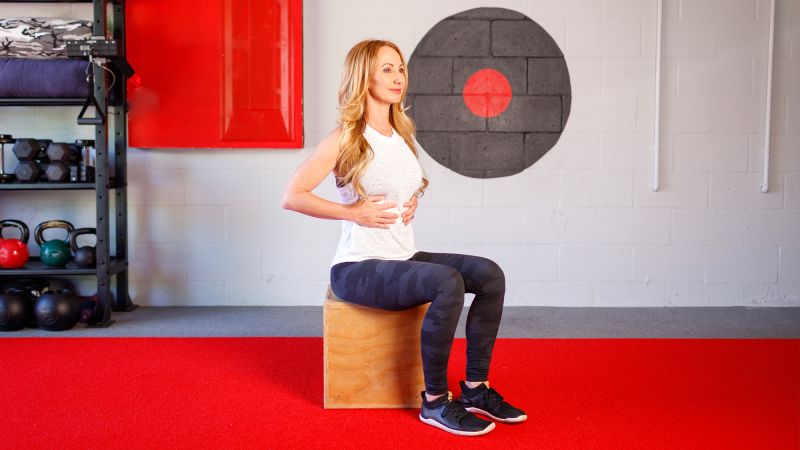
Practicing positional breathing exercises can significantly restore optimal breathing mechanics, enhancing overall posture stability. For instance, seated breathing drills can help manage rib cage alignment over the pelvis, enhancing the efficacy of the diaphragm during daily movements.
2. Strength that stabilizes without stiffening
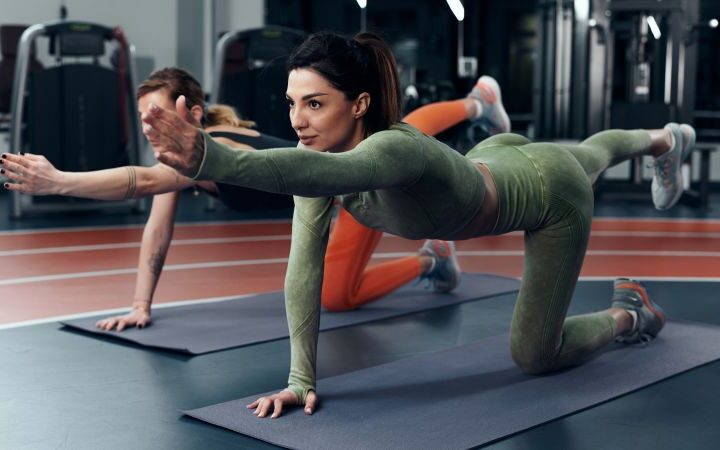
Core strength is not limited to the abdominal muscles; it encompasses a holistic network including the diaphragm and spinal muscles. This stabilising system is essential for maintaining posture and preventing undue strain during movement. Exercises that focus on core control and scapular stability are vital for fostering effective posture.
3. Mobility where you need it most
Targeting areas like the thoracic spine and hip flexors can mitigate common tension points that disrupt fluid movement. Stiffness in the mid-back can lead to compensatory tension in the neck and lower back, increasing the risk of injury. To enhance mobility in the thoracic region, rotational exercises such as seated spinal twists can be effective.
Simultaneously, addressing tight hip flexors through specific stretches can realign the pelvis, relieving stress on the lumbar spine and promoting healthier movement patterns.
In summary, improving posture requires an integrated approach that combines proper breathing, strength training, and targeted mobility exercises. Each aspect supports the others, allowing for a more adaptable and functional posture without rigid corrections.
As this understanding of posture evolves, it underscores the importance of daily practice in cultivating an effective posture that adapts to the demands of life.