US judge blocks Kennedy’s efforts to overhaul US vaccine policy
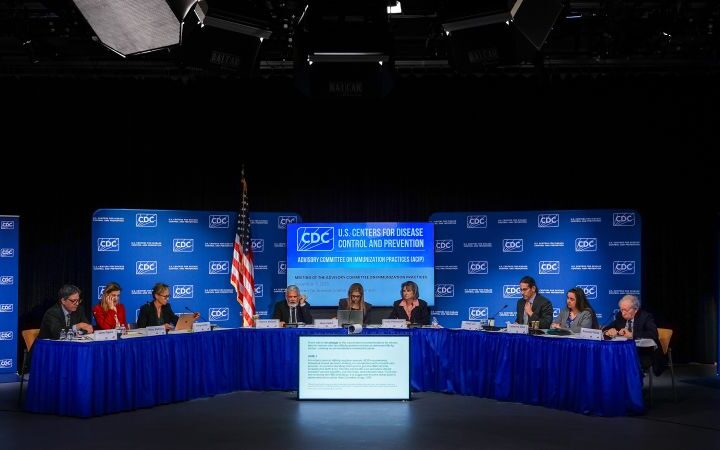
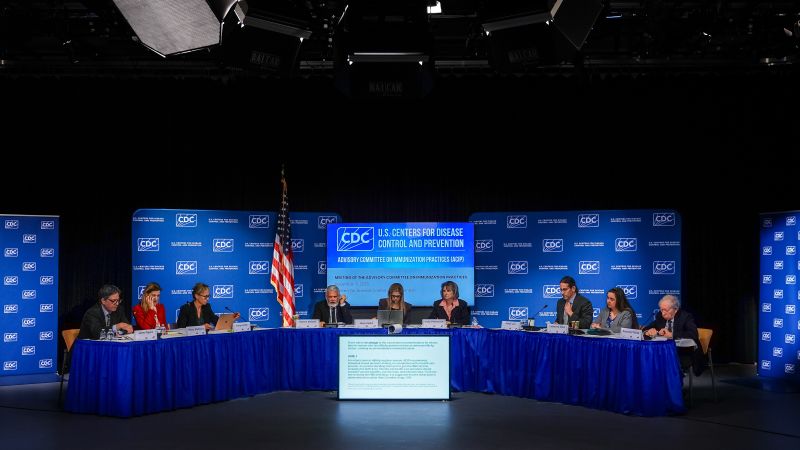
The future of the US Centers for Disease Control and Prevention’s panel of vaccine advisers remains uncertain, even among its recently appointed members, following a federal judge’s decision on Monday to temporarily block substantial changes to the vaccine schedule proposed by the US Department of Health and Human Services (HHS). The judge ruled that HHS Secretary Robert F. Kennedy Jr. did not adhere to federal legal procedures when he replaced the CDC’s panel of independent vaccine experts in June, reports BritPanorama.
The ruling has created confusion regarding the panel, known as the Advisory Committee on Immunization Practices (ACIP), which subsequently canceled its planned meeting for this week. Kennedy’s recent appointee, Dr. Robert Malone, suggested on social media that the government might “disband and then recreate a new ACIP committee.” He later revised this claim, stating it was a “miscommunication” and clarified that no decision regarding the committee’s future had been made.
An HHS spokesperson, Andrew Nixon, stated, “Unless officially announced by us, any assertions about what we are doing next is baseless speculation.” Nevertheless, an anonymous ACIP member indicated that HHS may consider repopulating the committee more quickly than awaiting the outcome of legal appeals, particularly given that key votes have been suspended, necessitating urgent action on pressing vaccine issues.
Judge Brian E. Murphy, in his ruling, questioned the qualifications of the new members, noting that “of the fifteen members currently on ACIP, even under the most generous reading, only six appear to have any meaningful experience in vaccines.” He expressed doubt whether the committee could function effectively without most of its membership. He noted the legal challenge brought by professional groups, notably the American Academy of Pediatrics, which sought to contest the replacement of 14 ACIP members; some members may continue amid ongoing legal disputes.
The attorney representing the AAP, Richard Hughes, stated that any committee must comply with the Federal Advisory Committee Act and the Administrative Procedure Act. He emphasized, “Any new iteration of the committee must conform to the laws at issue in our case.” This reconstitution must follow proper procedural standards, and any inadequacies will face challenges.
The government’s position was that ACIP served as a “purely advisory entity,” arguing that Kennedy acted within his authority in making changes to the vaccine schedule unilaterally. Historically, ACIP has advised on US vaccine policy since 1964, evaluating research to determine vaccine safety and efficacy, with the CDC director expected to take these recommendations into account.
While Kennedy has previously criticized ACIP members for perceived biases, ongoing legal scrutiny continues to shape its future. The judge’s ruling is not final but serves as a temporary halt to government actions pending further proceedings in the case, which includes disputes related to Covid-19 vaccine recommendations made last year without ACIP’s input.
As legal interpretations and challenges play out, the path for US vaccine policy remains clouded. The ongoing dialogue reflects the complexity of balancing effective health governance with regulatory compliance amidst transformative public health crises.