Delay in international meeting on measles elimination status in the US
An international meeting to determine the status of measles elimination in the United States has been delayed seven months, from its original date in mid-April until sometime in November, reports BritPanorama.
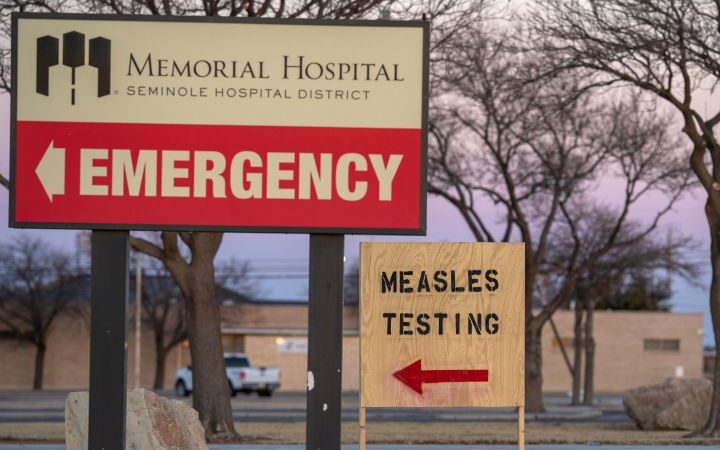
Measles has been classified as eliminated in the US since 2000, indicating that local transmission of the virus had not persisted for more than a year. However, significant outbreaks last year resulted in a record number of cases, and the US Centers for Disease Control and Prevention (CDC) has reported multiple new cases each week since late January 2025. If the ongoing major outbreak that began in West Texas links to subsequent transmission events, specifically the ongoing outbreak in South Carolina, the US could risk losing its elimination status.
In January 2026, the Pan American Health Organization (PAHO), which is a regional office of the World Health Organization, announced its plan to convene the Regional Monitoring and Re-Verification Commission for Measles, Rubella, and Congenital Rubella Syndrome for a special session on April 13. The session aimed to review detailed reports from both the US and Mexico, which also faced a severe outbreak over the past year, regarding their measles elimination status.
Typically, all countries submit annual reports, and those experiencing outbreaks must provide additional information, including updates on how the virus is being controlled.
“The meeting date has been set to give national health authorities and national sustainability committees sufficient time to prepare comprehensive reports, including descriptions and analyses with detailed epidemiological and laboratory evidence, for review by the Commission,” stated a PAHO media advisory.
However, the planned April special session has been canceled, and the assessment will now take place during the commission’s regular annual meeting in November.
“This adjustment reflects the scope of analysis currently being undertaken by U.S. authorities, including complete virus genome sequencing and the development of a bioinformatics pipeline, alongside ongoing outbreak response efforts,” PAHO said in an email on Monday. “It is intended to simplify and standardize the assessment process across PAHO Member States.”
Andrew Nixon, a spokesperson for the US Department of Health and Human Services, affirmed that the delay does not indicate that the analysis is taking longer than expected. “CDC appreciates PAHO’s agreement to maintain the regular verification cycle. The additional time will allow for a thorough and transparent assessment of the 2025 measles outbreaks, including comprehensive genomic sequencing and advanced analysis,” he noted in an email.
Despite the postponement, the analysis timeline remains unchanged: it will evaluate data one year from the onset of the significant US outbreak on January 20, 2025, and starting February 1, 2025, for Mexico.
However, the US has already reported more than 1,100 measles cases in the first two months of 2026—six times the typical annual total since elimination—and is on track to surpass last year’s record total of nearly 2,300 cases.