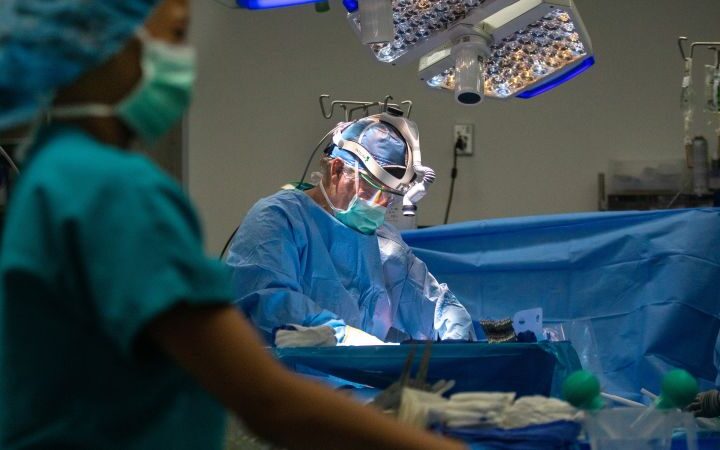
Shift in organ donation practices as circulatory death becomes more common
The vast majority of organ donations historically came from individuals declared brain-dead. However, there is a notable increase in donations from those who have died after their heart has stopped beating, a trend that has implications for transplant rates, reports BritPanorama.
Donation after circulatory death, or DCD, has seen substantial growth, accounting for 49% of all deceased organ donors in the U.S. last year, up from a mere 2% in 2000. This shift reflects ongoing efforts to expand the donor pool amid a critical shortage of organs. More than 100,000 individuals are currently on the transplant waiting list, with over 49,000 transplants performed in the past year.
Advancements in technology have helped mitigate challenges associated with keeping organs viable as the heart stops beating, which has spurred the increase in DCD. Despite this progress, research from NYU Langone Health highlighted a regional disparity in DCD practices across the United States. This suggests that greater public and hospital education about this option could further enhance access to life-saving transplants.
Concerns surrounding DCD have been raised following reports in the medical journal JAMA of incidents involving potential donors who exhibited signs of life post-mortem. Such cases have shaken public confidence in the transplant system. In response, both federal officials and certified non-profit organ procurement organizations are developing additional safeguards, aiming to bolster trust and assess the ongoing policy implications from these findings.
The complexity of DCD necessitates careful execution, according to Dr. Babak Orandi, an NYU transplant surgeon and co-author of the study. He cautioned, “If we stop doing it or severely restrict it, there would be pretty significant repercussions for patients.”
Understanding organ donation
While living donors can provide specific organs, the majority of transplants rely on contributions from deceased individuals. Brain death is officially declared when tests indicate no remaining brain function, after which the body is maintained on a ventilator to sustain organ health until retrieval.
In contrast, DCD is an option when someone has a non-survivable injury yet retains some brain activity, allowing families to opt for life support withdrawal. Death is acknowledged once the heart has stopped beating, followed by a mandatory five-minute wait to confirm that circulation cannot restart, as stipulated by guidelines from the American Society of Transplant Surgeons.
Legally, organ donation and transplant organizations are not permitted to participate in the decision to cease life support, nor are they present during its withdrawal. The retrieval of organs only commences post-declaration of death. Should death not occur swiftly—within approximately two hours—the organs become unsuitable for donation.
Variability in donation practices
In a review of the national Organ Procurement and Transplantation Network data, the NYU team noted that DCD accounted for over half of donors at 24 organ donation agencies last year. However, there was significant variation, with some organizations reflecting as low as 11% of DCD donors.
Factors influencing these disparities include the operational capacity of hospitals, particularly those in rural areas less familiar with the DCD process. The quality of organs can decline due to oxygen deprivation as the heart ceases to beat. Technologies designed to restore blood flow post-mortem, such as normothermic regional perfusion, have improved outcomes for organs from older or sicker donors, albeit raising ethical questions about their use.
Improving policies for DCD
In light of these developments, the Health Resources and Services Administration is crafting new national policies aiming to enhance safeguards for DCD practices. Proposed measures may include protocols to pause life-support withdrawal if questions regarding a donor’s condition arise during the process.
Additionally, suggestions have emerged requiring organ procurement organizations to verify that hospitals are conducting appropriate neurological assessments for potential DCD donors and informing families about the necessary steps involved.
The Association of Organ Procurement Organizations also advocates for life support withdrawals to occur in critical care units rather than operating rooms, to reduce public confusion regarding the timing of death and the role of organ organizations.
Dr. Orandi emphasized the importance of community engagement to ensure successful DCD implementation, noting that a few reported cases have significantly impacted public trust.