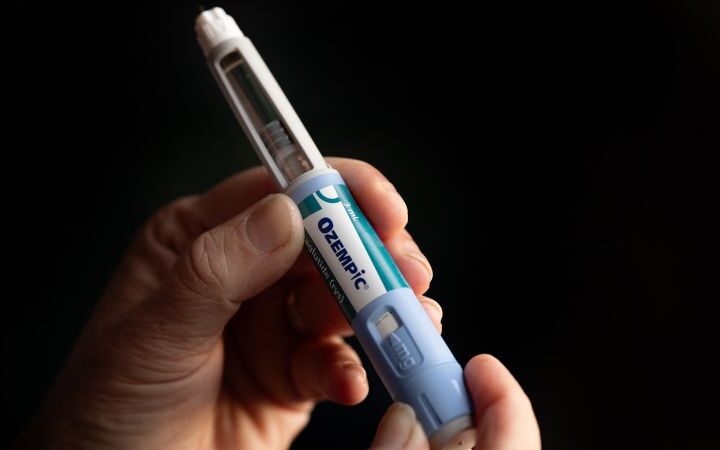
Carol Saffran, who began taking Ozempic a year ago to manage her blood sugar levels after previous medications failed, has reported unexpected side effects since increasing her dosage. Initially prediabetic and close to her target body weight, Saffran has noticed thinning hair, raising concerns about the drug’s impact on her health, reports BritPanorama.
At 71 years old, Saffran, who resides in the Boston area, described her hair loss as a gradual thinning rather than clumping. “I would brush my hair and look at my hairbrush, and there was just a little bit more [hair] than normal,” she said. “It just feels thinner.”
Dr. Farah Moustafa, a hair loss specialist at Tufts Medical Center, diagnosed Saffran with telogen effluvium, which is hair loss typically triggered by stress. In Saffran’s case, substantial weight loss attributed to Ozempic has been identified as the contributing factor. Dr. Moustafa emphasized that this condition could occur due to abrupt modifications in body weight.
The interest in GLP-1 drugs, such as Ozempic, has surged recently. A poll released by KFF revealed that approximately 1 in 8 adults currently consume a GLP-1 medication for chronic diseases or weight management, an increase of 6% since May 2024.
While common side effects of GLP-1 medications include nausea and constipation, hair loss remains a frequently discussed issue within online weight-loss communities. Though less prevalent, it has become a reason for some patients to discontinue their use of these drugs.
What is telogen effluvium?
Hair growth occurs in four stages: anagen (growth), catagen (transitional), telogen (resting), and exogen (shedding). Telogen effluvium accelerates the shedding phase, causing more hair to fall out than normal. Dr. Anthony Rossi, a dermatologist at Memorial Sloan Kettering Cancer Center, explained that telogen effluvium often follows periods of stress such as childbirth, major surgery, or rapid weight loss.
Dr. Aron Nusbaum of the Miami Hair Institute noted that significant weight loss, particularly if it occurs quickly, can lead to telogen effluvium in many individuals. This condition can emerge three to six months following a stress event, prompting a notable number of hair follicles to transition to the shedding phase.
Dr. Rossi highlighted that during stressful periods, the body prioritizes essential functions, which can temporarily halt hair growth. The loss of hair is more commonly associated with profound weight loss rather than the medications themselves, according to Dr. Nusbaum.
Malnutrition may play a role
Dr. Brian Wojeck from Yale School of Medicine compared the situation to patients undergoing bariatric surgery, who often experience temporary hair shedding due to rapid metabolic changes and stress. He further posited that fluctuations in nutrition or vitamin levels might exacerbate hair loss in those taking GLP-1 medications, leading some to consider multivitamin supplements, though clinical data on effectiveness remains limited.
Rossi emphasized that some patients may experience a chronic state of malnutrition induced by GLP-1s, as the drugs suppress appetite and can hinder nutrient absorption. The body requires sufficient micronutrients to support healthy hair growth, particularly during periods when caloric intake is restricted.
Experts are also becoming increasingly concerned as GLP-1s are utilized for weight loss in non-obese individuals, leading to potentially inadequate nutrition. “The kicker in all this is that they’re being used so willy-nilly, in med spas, in direct-to-consumer compounding pharmacies,” said Dr. Wojeck, cautioning against misuse.
Nusbaum indicated that many users of GLP-1 medications are not morbidly obese and may start at inappropriate doses, causing nutritional deficiencies that inhibit healthy hair growth.
While the links between GLP-1 medications and hair loss emerge as a prominent concern, it is essential to diagnose the underlying issues properly before commencing treatment.
Other theories
Spencer Kobren, founder of the American Hair Loss Association, indicated that while telogen effluvium due to rapid weight loss and dietary stress is plausible, individuals genetically predisposed to androgenetic alopecia might experience hair loss earlier with GLP-1 medications.
Nusbaum noted a rise in patients presenting with underlying androgenetic alopecia exacerbated by GLP-1 use. This type of hair loss is typically gradual and distinct, contrasting with the diffuse shedding seen in telogen effluvium.
Representatives from Novo Nordisk confirmed that hair loss is a recognized risk associated with semaglutide, the active ingredient in Ozempic. Clinical trials show a correlation between weight loss and hair loss incidences, particularly noted in cases of substantial weight reduction.
Consequently, hair loss might appear more frequently in those who experience significant weight fluctuations while on GLP-1 drugs. As hair loss issues continue to emerge, experts recommend medical evaluations for those affected, emphasizing the often temporary nature of telogen effluvium when stressors are identified and removed.
In treating hair loss, Dr. Moustafa highlighted the potential of prescription medications such as oral minoxidil, with many individuals advised to engage in proactive discussions with their healthcare providers about their concerns regarding weight loss medications.
Ultimately, understanding the nuances of treatment and proper diagnosis are crucial for those navigating the side effects associated with GLP-1 drugs.