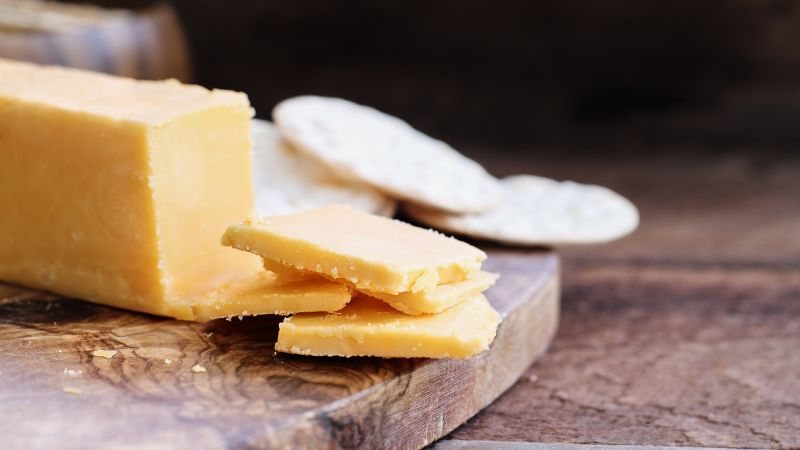
High-fat cheese may provide slight dementia protection
A new observational study involving nearly 28,000 participants from Malmö, Sweden, indicates that high-fat cheese and cream may contribute to a modest protective effect against dementia. Those consuming substantial amounts of these dairy products had lower dementia risks, reports BritPanorama.
The study discovered that individuals who ate 50 grams (about 2 ounces) or more of high-fat cheese daily exhibited a 13% lower risk of developing dementia compared to those consuming less than 15 grams (0.5 ounce). Similarly, daily consumption of 20 grams (0.7 ounce) or more of high-fat cream correlated with a 16% reduced risk, approximately equivalent to 1.4 tablespoons of heavy cream.
While the research suggests a slight link between high-fat dairy and reduced dementia risk, experts have expressed caution. Dr. Walter Willett, a leading nutrition researcher at Harvard T.H. Chan School of Public Health, indicated that the findings were only marginally statistically significant and could be influenced by chance, pointing out, “I’m not running out to buy a block of cheese.”
Dr. Tian-Shin Yeh further highlighted significant study limitations, noting that dietary habits were recorded only at the study’s start in 1991 and that follow-ups with most participants were not conducted over the subsequent 25 years. This led to a reassessment of dietary impacts after five years when initial associations with high-fat cheese and cream became statistically insignificant.
Yeh remarked that the apparent benefits of high-fat cheese predominantly appeared when it replaced less nutritious options, such as processed or high-fat red meats, suggesting the latter may pose more health risks overall.
A small benefit for the brain
The study reveals nuances regarding dietary impacts, indicating that high-fat cheese might not be inherently protective but a less harmful alternative to poorer food choices. Conversely, no benefits were identified from butter, milk, or low-fat dairy products in relation to cognitive health. This aligns with observations made by Dr. David Katz, who noted that individuals consuming lower-fat dairy often had higher baseline health impairments, indicating that the choice might reflect an effort to manage existing health risks rather than an outright benefit of low-fat options.
Additionally, the research was conducted in Sweden, where dairy cows are more commonly grass-fed, potentially influencing the nutritional profiles of the dairy products examined. Neurologist Dr. Richard Isaacson suggested that omega-3 fatty acids, typically found in grass-fed dairy, are beneficial for brain health, particularly for individuals carrying the APOE4 gene variant associated with a higher risk of Alzheimer’s. However, the study noted participants without this gene variant experienced greater protective effects, adding to the complexity of the findings.
Senior study author Emily Sonestedt acknowledged that dietary habits in Sweden differ from those in other Western countries, such as the United States, where processed cheeses are more prevalent. “We would like to see our findings replicated in more countries and populations before drawing firm conclusions,” she stated, emphasizing the need for further research to validate these promising yet tentative conclusions.