HHS abruptly calls off meeting of expert panel on preventive care, raising questions about its future
An independent panel of medical experts shaping preventive care for patients in the United States has cancelled its regular meeting this month, marking a full year since its last gathering, reports BritPanorama.
This cancellation has raised growing concerns that the US Department of Health and Human Services (HHS) is abandoning the US Preventive Services Task Force (USPSTF) or potentially pushing it into a state of “quiet paralysis.” Traditionally, the task force convenes three times annually—in March, July, and November—but has not met since March 2025. Andrew Nixon, an HHS spokesperson, stated in an email that the first meeting of the year was postponed and will be rescheduled in the coming months.
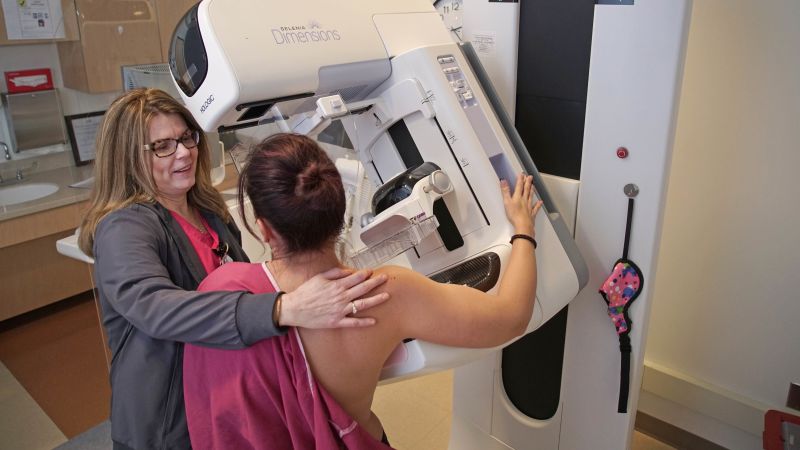
The USPSTF is crucial for providing evidence-based recommendations on cancer screenings, STI testing, counseling, and other preventive care measures. The postponement of meetings risks delays in updating recommendations that inform patient care and insurance coverage. Concerns are mounting among healthcare professionals that this may foreshadow a dismantling of the task force, akin to changes made to other federal advisory groups.
Dr. Aaron Carroll, a pediatrician and CEO of the nonprofit AcademyHealth, expressed worries that while an official announcement about elimination may not come, the signs of diminishing functionality are clear. “I do worry that they could eliminate it, but I worry less about a dramatic announcement and more about quiet paralysis,” he remarked.
He added that the USPSTF, established in statute in 1984, would require congressional action for elimination, yet other measures could still undermine its functionality. “You can slow appointments, delay the work, change the standards or reduce the staff capacity that produces the rigorous reviews,” Carroll noted, emphasizing that this “quiet paralysis” seems to be underway.
The USPSTF’s power extends beyond mere recommendations; it plays a role in influencing insurance coverage. New recommendations typically guide doctors on preventive services, benefiting millions who access treatments free of charge due to the Affordable Care Act’s provisions requiring coverage of services graded A or B. However, the lack of recent meetings has raised apprehensions over the group’s ability to fulfill its mandate effectively.
Carroll pointed out that five of six members’ terms expired on January 1, and no replacements have yet been made. The ongoing absence of new members has led to concerns over the task force’s capability to issue timely recommendations, which are particularly vital as treatment methods and technological advancements evolve.
Under Secretary Robert F. Kennedy Jr., HHS’s focus under the Make America Healthy Again movement has shifted towards addressing the root causes of chronic diseases, leading to significant changes in vaccine policy and health agency structures. The American Medical Association previously expressed deep concern over the fate of the task force, urging for a return to its regular meeting schedule and continuity in member appointments to maintain the flow of vital preventive care recommendations.
The potential impact of stalled task force activities could reverberate across the healthcare landscape, jeopardizing access to essential preventive services. As discussions about the future of preventive care unfold, uncertainty lingers regarding how the USPSTF will navigate these challenges moving forward.
With the composition and functioning of the task force in doubt, healthcare professionals and policy advocates remain vigilant about the implications for public health, highlighting the crucial need for an effective advisory body grounded in evidence-based practice as they navigate potential changes ahead.