Stopping GLP-1 medications erases heart health benefits
A new study highlights that discontinuing injected GLP-1 medications significantly increases the risk of heart attacks, strokes, and other cardiovascular issues, with risks returning as early as six months after cessation, reports BritPanorama.
Patients who maintain GLP-1 treatment for approximately three years benefit from an estimated 18% reduction in heart-related complications. However, these benefits diminish rapidly once treatment stops. Within six months, the risk of heart issues increases by 4%, followed by a 14% increase after a year and a staggering 22% increase after two years of ceasing medication.
The study’s authors describe the phenomenon as “metabolic whiplash,” noting that the benefits from GLP-1s dissipate more quickly than they were achieved. Dr. Ziyad Al-Aly, a clinical epidemiologist at Washington University, emphasized the disparity, stating, “What took three years to build was actually erased or undone with just one and a half years of stopping.” The research underscores the critical importance of adherence to treatment for sustaining cardiovascular health.
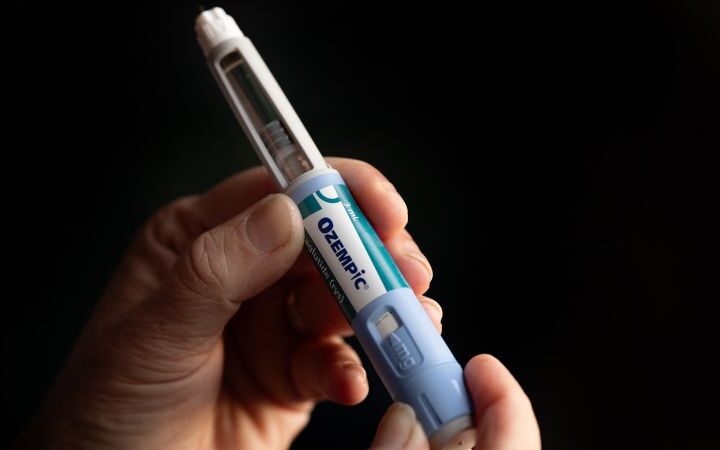
Published in the journal BMJ Medicine, the study analysed medical records from over 333,000 type 2 diabetes patients treated through the Veterans Health Administration. It specifically examined the effects of GLP-1 medications, including semaglutide (Ozempic) and tirzepatide (Mounjaro), compared to those prescribed sulfonylureas, a different class of diabetes medications.
Benefits erased within two years
The investigation revealed that roughly 132,000 patients had been prescribed GLP-1 medications, while over 201,000 were on sulfonylureas. Notably, it excluded individuals using similar drugs primarily for weight loss, which is a common use in the United States.
Among those with continuous GLP-1 treatment, heart-related advantages significantly outweighed the risks when compared to those who stopped their medications. Al-Aly noted, “It takes a whole lot longer to build or accrue benefit, and then half as much to erase all that benefit.”
Research findings align with earlier studies, indicating that sustained GLP-1 medication use is vital for ongoing cardiovascular health improvement. Among participants, the most pronounced benefits were seen in those who adhered to a full regimen.
Evidence for continued use
The findings are consistent with results from the SELECT trial, which demonstrated similar reductions in cardiovascular events among obesity patients using semaglutide. The SELECT study noted a 20% reduction in heart attack and stroke risk compared to a placebo, further emphasizing the importance of ongoing treatment.
Despite the clear benefits, many patients discontinue their GLP-1 medications, often citing side effects like nausea and fatigue, alongside the prohibitive costs associated with ongoing treatment. Around half of new users reportedly stop taking these medications within a year.
Experts stress the necessity for insurers to consider the evolving evidence regarding the long-term need for GLP-1 medications to maximize treatment benefits. “Stopping has consequences to the heart,” Al-Aly warned, underlining the risks patients face when these medications are restricted by insurance providers.
This study serves as a crucial reminder of the importance of continued adherence to GLP-1 therapy for sustaining heart health, as the evidence mounts for the long-term cardiovascular benefits these medications can provide.