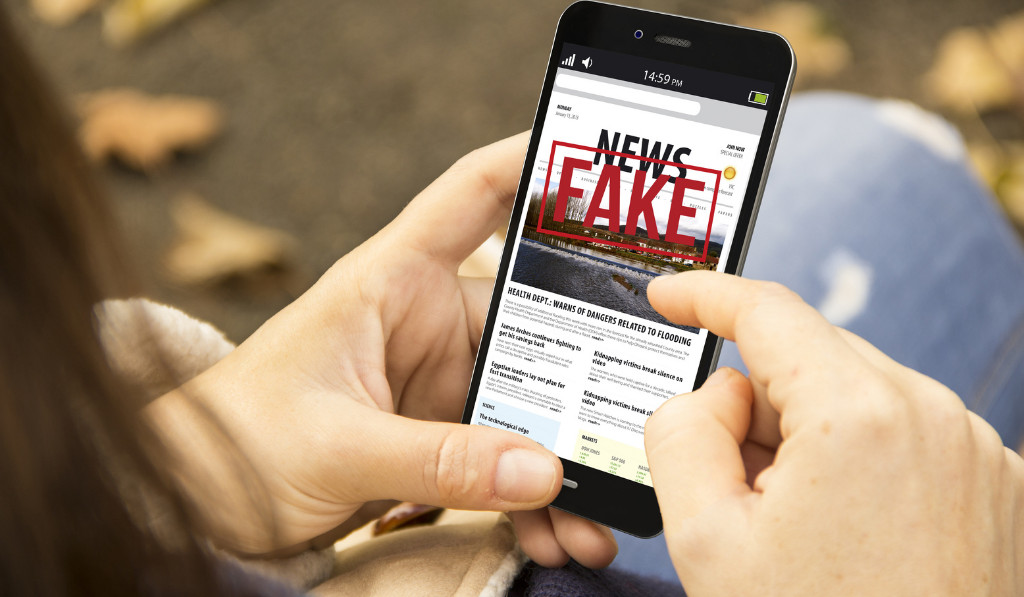
Health misinformation continues to pose significant public health challenges
In a recent study by researchers at Yale University, it was revealed that health and government organizations accounted for over 10% of the advertising revenue received by websites that promote health misinformation, amounting to $35.7 million spent between 2021 and 2024, reports BritPanorama.
The study identified a total of 11 websites undermining public health, which included financial support from health organizations inadvertently contributing to misinformation. These platforms are known for disseminating false health claims, particularly around vaccines and unproven remedies.
Matt Skibinski, chief operating officer for NewsGuard, emphasized that health misinformation undermines trust in scientific evidence and can prove harmful. This phenomenon has raised alarms among health professionals and researchers, as it complicates public understanding of health narratives.
Nonprescription wellness products were the most prevalent advertising type on these misleading sites, with organizations spending over $19 million from 2021 to 2024. Such products often make dubious claims regarding energy, digestion, and cognitive functions.
The involvement of reputable organizations, including nonprofit health advocacy groups and the US Department of Health and Human Services (HHS), highlights a concerning trend where even well-meaning advertisements may enhance trust in misinformation. Researchers pointed out that these ads could diminish trust in legitimate health authorities.
While organizations like the American Heart Association and the Alzheimer’s Association reported spending less than $25,000 each year on such platforms, they maintain a commitment to promoting credible information. However, the challenges posed by automated advertising processes complicate their efforts, as they may not have full visibility into where their ads appear.
Both the American Heart Association and the Alzheimer’s Association have expressed their concern about unwanted site placements and reiterated their commitment to addressing such issues promptly. HHS is attempting to restore credibility among the public, emphasizing evidence-based practices under new leadership.
Experts caution that, although the financial contributions from these reputable organizations are smaller, their potential impact on public perception is still an open question. Dr. Anne Cappola from the University of Pennsylvania highlighted the need for trusted conversations about information sources, arguing that influenced individuals might not fully comprehend the extent of its impact on their beliefs.
Addressing health misinformation requires fostering both trust in science and critical thinking. Effective communication may best occur in personal interactions rather than through online platforms, which often lack the capability to engage users critically.
As the landscape of health misinformation evolves, the role of credible sources in navigating this complex environment remains critical for public health integrity.