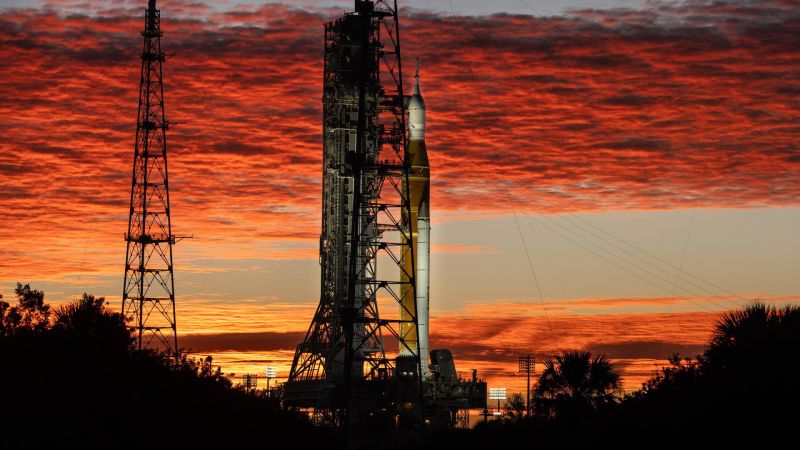
NASA is targeting April 2026 for the launch of Artemis II, marking a significant milestone as it aims to return humans to the vicinity of the moon for the first time since the Apollo program, reports BritPanorama.
Over a span of 10 days, a crew of four astronauts will embark on this groundbreaking mission, venturing farther into deep space than any humans have previously traveled. As preparations ramp up, the agency is introducing terminology related to the mission that may be unfamiliar to those following the developments.
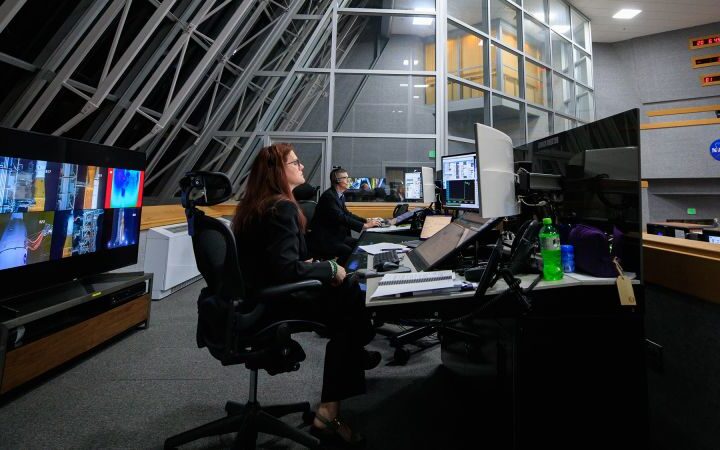
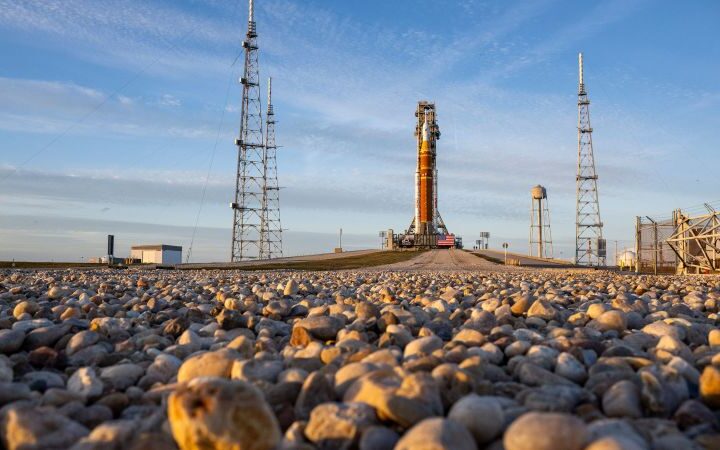
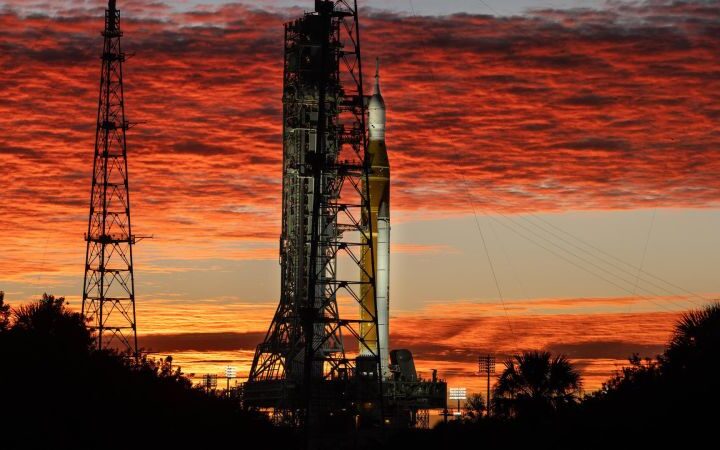
The launch will involve several critical phases. If the launch is confirmed to be a go, it indicates that all systems are functioning properly; a no go status may result in a postponement. The Space Launch System (SLS) will be the vehicle used for the mission, and during the countdown, the term nominal will indicate that operations are proceeding as planned.
T minus, ingress and other liftoff lingo
As the launch date approaches, expect to hear terms like LOX and LH2, referring to liquid oxygen and liquid hydrogen, respectively. The rocket’s fueling process will include phases described as slow fill, fast fill, topping, and replenishing. The countdown will also feature L Minus and T Minus times; the former indicates the duration until liftoff, while the latter corresponds to countdown events.
In the countdown’s final moments, the crew access arm will retract, allowing astronauts to board the Orion crew module, their home for the duration of the mission. Moments before launch, umilical separation will occur, disconnecting power and fuel lines.
All the ‘burns’ it takes to reach the moon
During the flight, the Artemis II team will conduct several key burns to adjust the spacecraft’s trajectory. Notably, the translunar injection will boost Orion’s velocity, initiating a trajectory toward the moon. The mission includes a perigee raise burn on the first day to set up this critical maneuver.
After leaving Earth’s orbit and entering a lunar trajectory, smaller orbital trajectory correction burns will ensure that Orion remains on course. By the fifth day of the mission, the spacecraft will reach the lunar sphere of influence, where the moon’s gravity becomes dominant.
As the crew approaches the moon, they will execute a series of operations designed to test maneuvers, including a Proximity Operations Demonstration. This allows astronauts to practice docking with the ICPS, the interim cryogenic propulsion stage, before the ICPS eventually separates and burns up in the Pacific Ocean.
Ultimately, Orion’s service module will detach just prior to reentry, exposing the heat shield designed to protect the crew during their descent through the atmosphere.
Once Orion successfully splashes down off the coast of California, a new chapter in space exploration will be marked by these events. NASA continues to pave the way for future lunar missions, aiming to further humanity’s reach beyond Earth.
The Artemis II mission stands as a testament to human ingenuity and the relentless pursuit of knowledge about our universe.