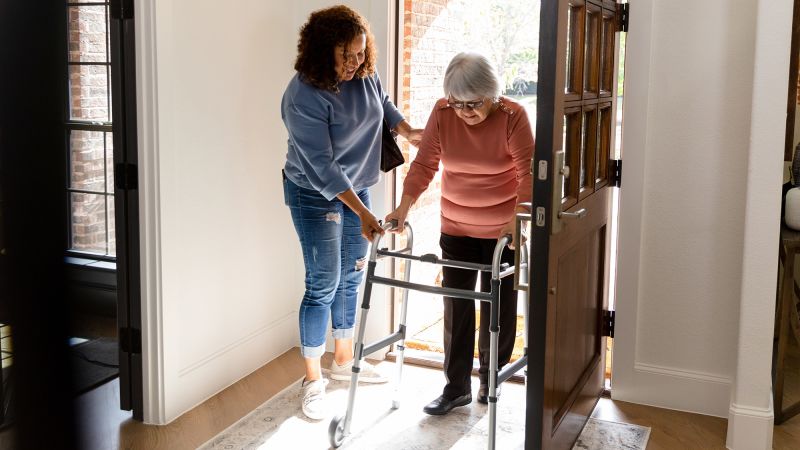
Recent research highlights the complexities of caregiving for aging parents, shedding light on the differing experiences of men and women in this role. The findings reveal that while caregiving involves a myriad of practical responsibilities, such as managing medical appointments and ensuring safety, many caregivers also encounter a mix of emotional challenges. Stress and feelings of joy coexist as they navigate the profound changes in their relationships with their parents, reports BritPanorama.
According to data from the Pew Research Center, approximately 10% of US adults are caretaking for parents over the age of 65, while 3% are caring for spouses or partners in the same age bracket. Notably, the research indicates that caregiving responsibilities tend to fall more heavily on women—28% of women report being caregivers compared to 23% of men. However, the study also suggests a narrowing of this gender gap over time.
Despite the similar tasks performed, the experiences differ significantly by gender. For instance, 61% of male caregivers reported a positive impact on their relationship with their parents, in contrast to 53% of female caregivers who felt the same. Furthermore, 38% of women indicated that caregiving negatively affected their physical health, compared to 26% of men. The emotional toll is also more pronounced for women, with 47% reporting negative effects versus 30% of men.
Experts point to social conditioning as a factor influencing these dynamics. Kim Parker, director of social trends research at Pew, noted that even when men and women engage in similar caregiving tasks, women are more likely to experience elevated stress levels. “The only difference we saw is that women are more likely to help aging parents with managing health care,” Parker explained, emphasizing the nuanced pressures faced by female caregivers.
More women than men are caregivers
In its recent report, Pew elaborated on caregiver well-being alongside the prevalence of caregiving. While a substantial number of American adults take on these roles, lower-income individuals are more likely to serve as caregivers.
Among male caregivers, a substantial 61% reported positive dynamics within their relationships, compared to only 53% of women. Women are notably more likely to report adverse effects on their physical health (38% vs. 26%) and emotional well-being (47% vs. 30%). Men, by contrast, were more likely to find that caregiving positively impacted their emotional health (36% v. 21%).
A gap in self-expression
This well-being gender gap cannot merely be attributed to the types of care provided. It may instead reflect broader societal expectations regarding emotional expression. Women are generally encouraged to share their feelings while men face less societal pressure to do so, often leading to different stress responses.
Michelle Feng, a geropsychologist, observed that this cultural dynamic plays a role in caregiving outcomes, suggesting that women are more attuned to the emotional realities of caregiving. “Emotional expression is more OK for women… and this plays out in the outcomes we are looking at,” she said.
Continuing, Feng suggested that women might focus more on the grief of witnessing their parents’ decline, which contributes to their overall caregiving experience.
Women are more self-critical and criticized
Additional insight reveals that societal expectations further compound the gender gap in caregiving. Women, often socialized to be nurturing, face heightened expectations compared to their male counterparts.
Barry Jacobs, a clinical psychologist, noted, “The social expectations are lopsided,” highlighting the additional pressures placed on women in caregiving situations. Moreover, the acknowledgment and praise men receive for their caregiving efforts stand in stark contrast to the recognition women often lack.
For many men, caregiving becomes a valuable opportunity to step away from traditional gender roles that favor competitiveness and decisiveness. Instead, their engagement in caregiving can cultivate a meaningful shift in perspective.
For men, care can be an opportunity
Shifting societal norms are prompting more men to engage in caregiving, despite encountering barriers such as stigma and inadequate public support. Journalist Brigid Schulte noted that many men desire to be more involved but face systemic obstacles. Nevertheless, those who embrace caregiving often find it deeply fulfilling, reporting transformative experiences.
As they balance traditional expectations with the emotional demands of caregiving, the insights from caregiving research indicate a need for more equitable discussions around sharing caregiving responsibilities among families.
Finally, experts emphasize that both male and female caregivers should seek support to manage the inherent stress associated with caregiving. They stress the importance of addressing mental space and the necessity of fostering open conversations about caregiving roles. “Care is such a personal intimate thing, but it is also an economic proposition and health-care proposition,” a spokesperson noted, advocating for more sustainable caregiving practices moving forward.