Nations divided by conflict face the greatest threat from a resurgent polio virus and a 30 per cent cut in global funding that could badly hamper efforts to eliminate the disease by the end of the decade, reports BritPanorama.
Wild polio remains endemic in Afghanistan and Pakistan, with transmission reported in border areas gripped by military conflict. These countries are the last bastions where wild polio persists, indicating that vaccination efforts have not yet succeeded in halting its spread.
Cross-border skirmishes in October further complicated health officials’ efforts to deliver effective immunisations to thousands of children in Kabul, Jalalabad, Khost, and Paktika. As these conflicts escalate, the challenges of reaching vulnerable populations multiply.
Despite these setbacks, global experts maintain that polio eradication efforts remain on track ahead of World Polio Day, observed on October 24. “After several years of historically low numbers of children being paralysed by wild polio, we are still seeing some resurgence in Pakistan and Afghanistan,” stated Jamal Ahmed, director of polio eradication at the World Health Organisation.
The resurgence is attributed to challenges in subnational areas along the Afghanistan-Pakistan border. “The challenges are really linked to insecurity, and they’re linked to inaccessibility in part of that geography,” Ahmed added. He noted additional factors, such as household access and vaccine hesitancy, particularly in southern Afghanistan.
Global hotspots
Ahmed identified the Sahel region and the Horn of Africa, notably Yemen, Somalia, Nigeria, and the Chad Basin, as significant polio hotspots. The Global Polio Eradication Initiative, which includes WHO and the Gates Foundation, is now facing a 30 per cent funding cut for 2026, resulting in a $1.7 billion shortfall for immunisation programmes through to 2029. Yet, campaigns against polio have historically been successful, helping to save thousands from severe consequences.
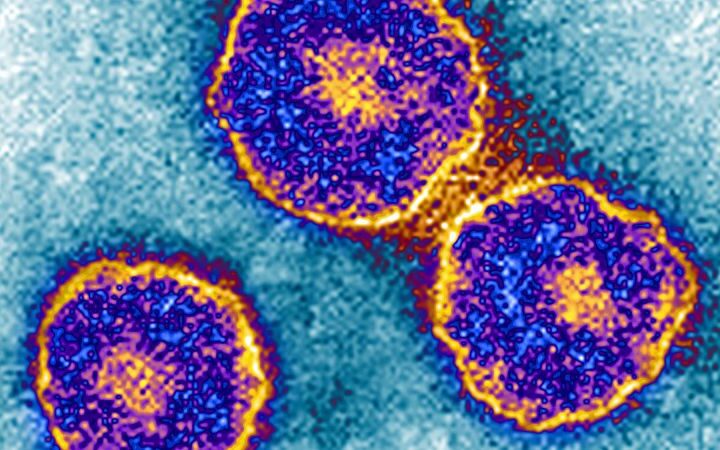
The number of reported polio cases globally has dropped dramatically from 67,443 in 1981 to just 539 in 2023, showcasing the success of vaccination initiatives. Polio’s mild manifestations can cause flu-like symptoms, but untreated severe cases can lead to paralysis.
In a recent advancement, Senegal and Mauritania became the first low-income countries to distribute life-saving hexavalent vaccines, covering multiple diseases, including polio. The rollout was funded by Gavi, the global health organisation, highlighting the need for similar initiatives in conflict-affected regions to prevent further outbreaks.
Polio re-emerged in Gaza in 2024, with a 10-month-old child left paralysed, marking the enclave’s first reported case in 25 years. Wastewater surveillance in Gaza indicates the presence of poliovirus, further heightening concerns about potential outbreaks in the region.
UAE support
Under the directive of President Sheikh Mohamed, the UAE has committed $5 million to support emergency vaccination campaigns for 640,000 children in Gaza, partnering with WHO, UNICEF, and UNRWA. This initiative achieved extensive coverage, with no new paralytic cases reported—demonstrating the impact of swift, well-resourced collaboration.
Through the UAE-Pakistan Assistance Programme, the UAE has delivered over 400 million doses of vaccine, protecting millions of children since 2014. Mike McGovern, chairman of PolioPlus at Rotary International, noted that funding reductions are becoming a global issue. “We are not immune from the global trends of reducing international assistance,” he remarked.
Consequently, the Global Polio Eradication Initiative has revealed a new budget for 2026, which entails a 30 per cent reduction from 2025. This includes an 18 per cent decrease in funding for endemic countries such as Pakistan and Afghanistan, and a 34 per cent reduction in surveillance efforts outside these areas. “This is impactful and, obviously, it is of concern,” McGovern added.
Millions of dollars in the pipeline
Rotary aims to sustain annual fundraising of $50 million from its members, with a matching partnership with the Gates Foundation over three years, intending to raise $450 million to bolster the global polio eradication initiative. Hamid Jafari, director of polio eradication at the WHO Regional Office for the Eastern Mediterranean, acknowledged that while significant progress has been made in both Pakistan and Afghanistan, recent challenges persist.
“After almost eradicating polio in the 2022-23 timeframe, there was a major resurgence of the polio virus that peaked last year, which is now on the decline,” Jafari explained. Despite the complexities surrounding polio eradication, he emphasized, “Neither country will be safe from the threat of polio until they both have completely wiped it out concurrently.”