Four dead, others affected by death cap mushroom poisoning in California
Four people have died and three others have required liver transplants after consuming death cap mushrooms that have proliferated in California following a rainy winter, reports BritPanorama.
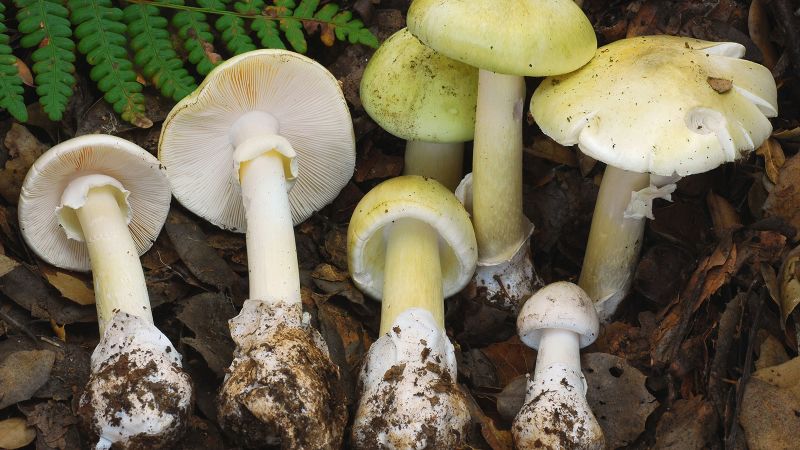
The California Department of Public Health is warning against mushroom foraging altogether this year, as death cap mushrooms can easily be mistaken for safe, edible varieties. Since November 18, health authorities have recorded over three dozen cases of mushroom poisonings, including the fatalities and liver transplants. Many victims experienced rapid acute liver injury and liver failure, necessitating intensive care for several patients aged between 19 months and 67 years.
“This greatly exceeds the typical report of less than five cases of mushroom poisonings a year,” the department stated in a public health warning. Additionally, U.S. Poison Centers reported handling 2,315 mushroom exposures from September 2025 through January 2026, marking a 40% increase compared to the same period in the previous year. It is important to note that not all exposures lead to illness or poisoning.
Experts caution that identifying a mushroom’s toxicity by color is unreliable, and the death cap variety poses risks whether consumed raw, dried, or cooked. Reports indicate that death cap mushrooms have been found across several parks in Northern California and the Central Coast, including clusters in the Monterey and San Francisco Bay areas.
Individuals can exhibit symptoms such as stomach cramping, nausea, diarrhea, or vomiting within 24 hours of ingestion. Early symptoms may subside, but serious liver damage can develop following a more severe course. In one case, Laura Marcelino from Northern California mistook the toxic mushrooms for safe ones, a mistake that led to her hospitalisation and her husband’s liver transplant.
The public health department emphasized the need for heightened awareness, especially among Spanish, Mixteco, and Mandarin Chinese-speaking communities, as the majority of those affected this year were Spanish speakers. Officials recommend closely monitoring children and pets in areas where mushrooms are present and purchasing mushrooms only from trusted sources.
Treatment becomes increasingly difficult once symptoms manifest, prompting doctors to advise seeking medical attention as soon as possible if mushroom poisoning is suspected. For emergencies or questions regarding mushroom exposure, U.S. Poison Control Centers can be contacted at 1-800-222-1222 or via PoisonHelp.org.
This situation underscores the critical need for public education on the dangers of foraging mushrooms and the serious risks associated with misidentification.