New Findings in New Mexico Shed Light on Last Days of Dinosaurs
A site in the San Juan Basin of northwestern New Mexico is providing a rare glimpse into the last days of the dinosaurs, reports BritPanorama.
Rocks and fossils at the Naashoibito Member site reveal a diverse ecosystem filled with a variety of dinosaurs just before their extinction approximately 66 million years ago. This research adds crucial detail to a long-standing debate in paleontology about whether dinosaurs experienced a gradual decline before facing a sudden extinction event caused by an asteroid impact in Mexico’s Yucatán Peninsula.
Researchers have pinpointed the significance of the Naashoibito Member by dating the surrounding rocks and identifying fossils that align with the timeline of the Hell Creek Formation, a previously well-studied site known for preserving evidence of various dinosaur species. By comparing these findings, paleontologists can better understand the state of dinosaur populations in North America just before the mass extinction.
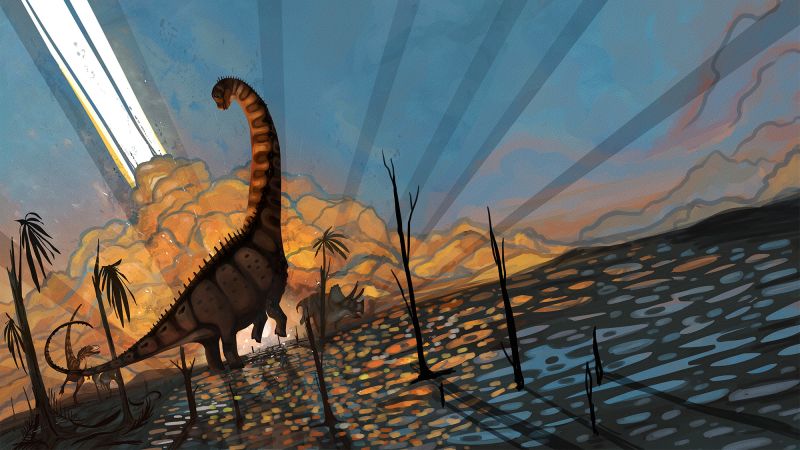
Significantly, the new study published in the journal Science identifies Alamosaurus among the dinosaurs in the Naashoibito Member, marking it as one of the largest long-necked dinosaurs that lived. Lead author Andrew Flynn emphasized that the study counters the long-held theory of declining dinosaur diversity, suggesting instead that these creatures were thriving right up to the point of extinction.
Understanding Fossil Records
Historically, dinosaur fossils have been discovered in the San Juan Basin since the 1800s; however, accurately dating the associated rock layers has proved challenging. Flynn noted that finding well-preserved fossils from the last 400,000 years of the Cretaceous is rare due to the complexity of geological dating.
To establish a more detailed timeline of dinosaur life, researchers began studying the Naashoibito site in 2011. Over several years, they measured rock layers, collected samples, and documented fossil discoveries, employing techniques such as radiometric dating to ascertain the age of the dinosaur fossils, which fall within a 380,000-year window preceding the mass extinction.
Diverse Communities of Dinosaurs
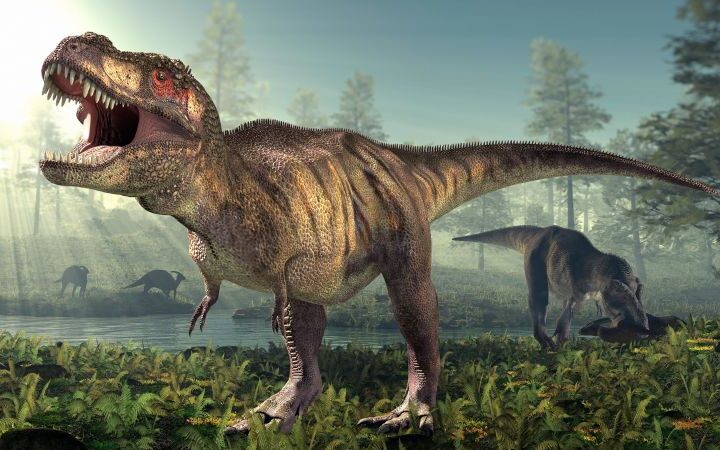
The findings highlight two distinct dinosaur communities in North America. Remains from both the north and south regions revealed common species like Tyrannosaurus rex, yet fossil evidence showed significant differences in more specialized groups. Notably, the absence of large sauropods in the northern areas led to speculation about their extinction, while they thrived in the south.
The southern region hosted dinosaurs like Alamosaurus, which reached lengths of up to 100 feet and exhibited remarkable diversity just prior to the catastrophic event. Researchers view these findings as indicative of a landscape rich in diverse life, rather than one on the verge of collapse.
Experts, including Michael Benton from the University of Bristol, caution that while the study reveals interesting insights from a specific location, it does not encapsulate the complex dynamics of dinosaur populations across North America. Zelenitsky from the University of Calgary contends that these findings have the potential to reshape our understanding of dinosaur ecosystems leading up to the extinction event.
As this research underscores the realities of sudden environmental changes, it serves as a reminder of the fragility of ecosystems, echoing lessons relevant to today’s environmental challenges. The extinction of 75% of species during that period serves as a stark warning about the impacts of rapid climate fluctuations on biodiversity.