Fossils discovered in southwestern China have revealed previously unknown details about the evolution of complex animal life during the Ediacaran period, suggesting that such organisms existed millions of years earlier than previously thought, reports BritPanorama.
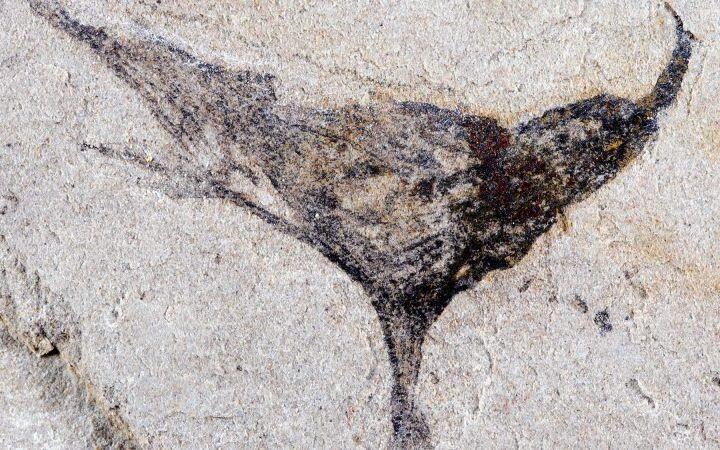
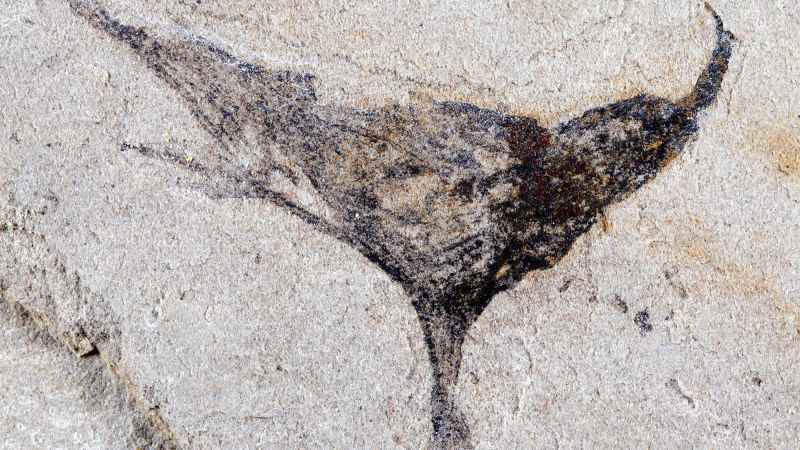
The fossils, found at the Jiangchuan Biota site, provide insight into an era spanning 635 million to 542 million years ago, with specimens showcasing intricate biological structures. Approximately 700 fossils were excavated, with about 200 representing distinct animal forms that predate the Cambrian period. Many of these fossils measure less than an inch (2.5 centimeters) long.
Researchers have detailed the presence of various Ediacaran organisms resembling modern jellyfish and segmented creatures. The preservation of biological tissues suggests these animals had features typically associated with later evolutionary developments, including complex feeding structures and bodily symmetry. Such findings challenge long-held beliefs that significant animal complexity arose exclusively during the Cambrian explosion, which occurred around 542 million years ago.
The study’s authors highlighted that this discovery represents a unique convergence of Ediacaran and Cambrian characteristics in one locality, blurring established classifications of ancient life forms. They also noted the fossilization process, which preserved not just the external morphology of these organisms but their internal structures as well. “We found what’s been long hoped for, which is a Cambrian-like preservation in the Ediacaran,” said study coauthor Ross Anderson of the University of Oxford.
A fossil trove
The Jiangchuan site is relatively small, covering just 518 square feet (50 square meters), yet it has yielded a treasure trove of anatomical details previously unseen in Ediacaran fossils. The site’s rich array of specimens includes ones with bilateral symmetry, a feature typical of many modern animal groups, implying this trait evolved far earlier than the Cambrian.
Researchers, including Jo Wolfe of Harvard University, expressed surprise at the quantity and quality of findings from a short excavation period. The fossils indicate a blend of primitive and more advanced evolutionary traits, hinting at a complex evolutionary lineage leading back to the earliest ancestors of vertebrates and deuterostomes.
Despite the compelling evidence, classifying these early life forms remains a challenge due to the limited nature of the fossilized specimens. Many crucial evolutionary traits may not be easily identified based solely on fossilized remains, underscoring the complexity of piecing together ancient biological histories.
Much to discover
While the findings from the Jiangchuan Biota suggest that intricate animal life was evolving during the Ediacaran, the subsequent Cambrian explosion still played a pivotal role in the diversification of animal life on Earth. New animal phyla emerged during this time, indicating a continued evolution of complexity.
The research holds considerable implications, prompting further investigation into the ecological dynamics of these ancient organisms. Understanding their biology, interactions, and habitats will shed light on the evolutionary events preceding the Cambrian, offering a deeper understanding of the planet’s biological history.
The study highlights an evolving narrative regarding early life on Earth—suggesting that the roots of complex animal existence stretched back into the Ediacaran, paving the way for future discoveries.