Flu activity surges in the US as new strain spreads
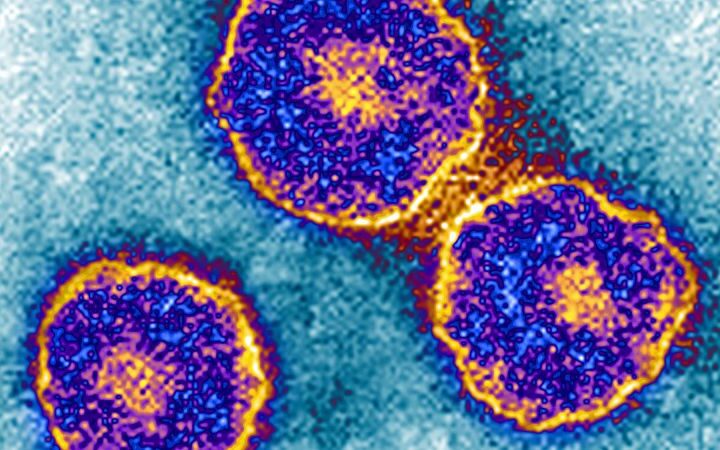
Flu continues to bring misery across the US, with all but four states showing high or very high levels of activity as a new virus strain called subclade K continues to spread, reports BritPanorama.
Visits to doctors for fever, cough, or sore throat—common flu symptoms—are at their highest level since the 1997-98 flu season, as per data published by the US Centers for Disease Control and Prevention (CDC). Currently, about 8.2% of doctor visits are attributed to flu-like symptoms, a significant increase from 6.7% during the same period last year.
This year’s flu season is being noted as particularly severe. “This is definitely a banner year,” stated Dr. Caitlin Rivers, an epidemiologist at the Johns Hopkins Center for Health Security. She observed that, “It’s the worst we’ve had in at least 20 years.” The intensity is notable, especially following last year’s severe flu season, which typically does not see back-to-back high activity years.
Health officials in Massachusetts, where flu activity is among the highest, have emphasized the importance of vaccination. “This is a moment for clarity, urgency, and action,” said Public Health Commissioner Dr. Robbie Goldstein. With hospitals experiencing capacity strain, vaccinations are seen as crucial in preventing severe illness and potential fatalities.
The CDC estimates that at least 11 million Americans have contracted the flu this season, with approximately 120,000 hospitalizations and 5,000 deaths reported. Among these fatalities, nine were children, underlining the severity of the current outbreak. Flu vaccination rates have declined significantly among children, from 53% in the 2019-20 season to 42% this year.
Dr. Michael Osterholm, directing the Center for Infectious Disease Research and Policy at the University of Minnesota, urged unvaccinated individuals to seek vaccination promptly. “In the next 48 hours, if you haven’t been vaccinated, get vaccinated. Don’t wait,” he advised, emphasizing the need for timely immunity development.
Furthermore, officials expressed concern regarding a proposed modification to the childhood vaccine schedule which may complicate access to flu vaccines. Criticism was voiced by Dr. Sean O’Leary of the American Academy of Pediatrics, who described the timing of reduced flu vaccine recommendations as “pretty tone-deaf.”
As the new strain subclade K spreads, its ability to evade prior immunity poses challenges to public health efforts. Dr. Rivers noted it differs enough from previously exposed strains, highlighting the need for ongoing vigilance and effective vaccination strategies in combating this year’s intense flu season.
The health community continues to monitor the situation, recognizing that while hospitalization rates remain manageable thus far, the dynamic nature of the outbreak may lead to changes in severity as the season progresses.