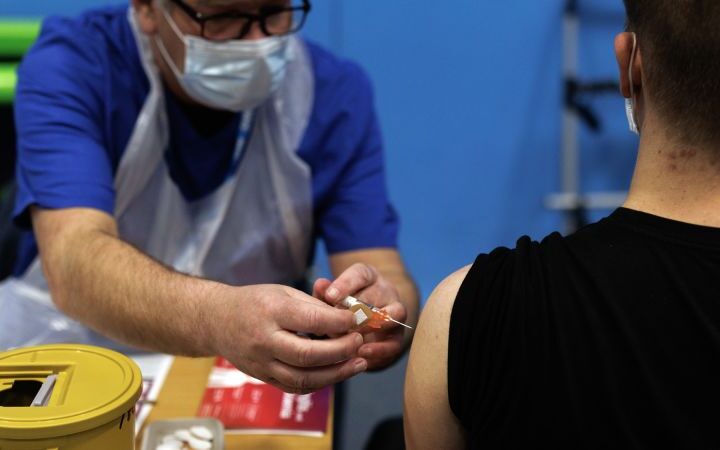
Amid a substantial outbreak of measles in Ave Maria, Florida, something startling occurred: a diagnosis led to chaos among students and parents alike. Just this month, news broke that a classmate at a local private school had been infected, triggering a month-long exclusion for unvaccinated students, reports BritPanorama.
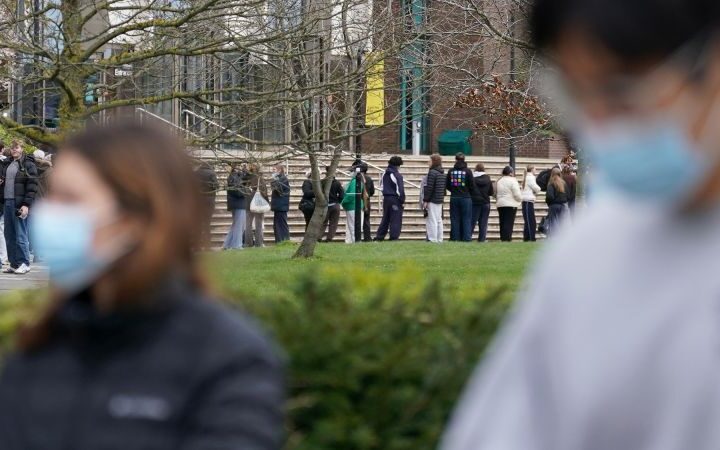
The alarm was palpable when two teenage girls were overheard lamenting the news while gathered in a supermarket parking lot. This outbreak follows a significant increase in cases linked to nearby Ave Maria University, which has reported over 100 measles cases since January, including 88 confirmed cases and 16 probable cases.
Despite the local health department’s unresponsiveness to inquiries about the outbreak, it became clear that residents were grappling with a growing sense of unease. Many believed the crisis was contained to the university, but health experts speculated that measles had migrated into the community, potentially marking the onset of a second wave.
Local health care professionals, alongside former health officials, underscored the contagion’s risks, as measles can remain airborne for extended periods. Although the Floridian outbreak has not reached record levels seen in other states such as Texas or South Carolina, it remains a serious concern. Historically, the United States has averaged low measles cases, making recent trends particularly alarming.
The local community, described as a tightly knit “big kind of small town,” is experiencing rapid growth, with around 8,000 residents and expanding housing development. However, even as daily life buzzes with golf carts and casual interactions, the shadow of the outbreak looms large, prompting caution among parents with health-compromised children.
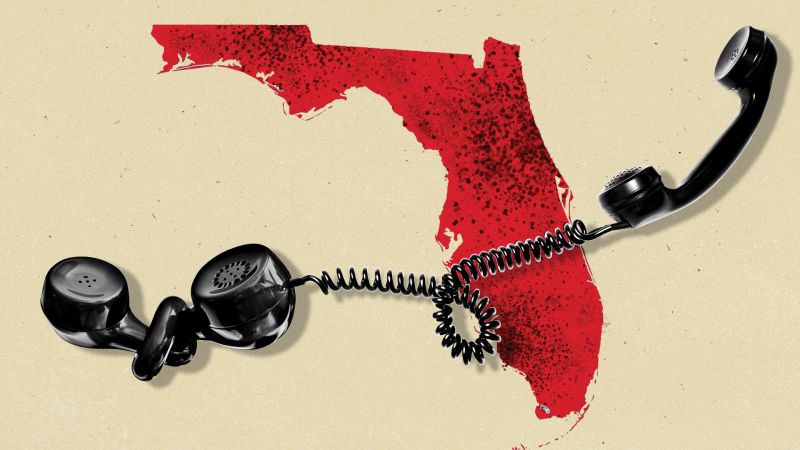
Rumors of an impending escalation were fueled by a recent town meeting where community leaders discussed steps for prevention, yet frustration was evident regarding the Florida Department of Health’s lack of communication. Reports noted how other states effectively disseminated timely information and engaged in public outreach during similar outbreaks.
While some community leaders expressed optimism about the local health department’s management, experts echoed the belief that more could be done to enhance public awareness and collaboration to mitigate the spread. Dr. Caitlin Rivers, an epidemiologist, emphasized collaboration with the public to control outbreaks, highlighting the need for transparency in health communications.
As the situation unfolds, reactions within the town reflect both concern and relief. The Diocese of Venice, while coordinating with local health authorities, reassured parents that vaccination efforts are in place amid adjustments to school protocols. Nonetheless, residents continue to feel the gripping uncertainty of a changing health landscape.
What remains clear is that Ave Maria’s experience with this measles outbreak serves as a critical reminder of the need for vigilant public health response and consistent communication, reflective of broader challenges in addressing infectious disease threats across the United States.
As the situation evolves, many in Ave Maria are weighing the balance between daily life and health risks, waiting for clearer guidance and definitive action from health authorities. The narrative surrounding the measles outbreak continues to develop, leaving local leaders and residents with cautious optimism amid rising case numbers.