In a recent discussion on motivation and exercise, psychologist Diana Hill provided insights into the psychological barriers that prevent individuals from maintaining physical activity, particularly during the winter months when days are shorter and colder, reports BritPanorama.
Findings indicate that as many as 28% of people who make New Year’s resolutions abandon them by the end of January, according to a 2024 Pew Research Center survey. Health-related goals, particularly those aimed at increasing exercise, are frequently at the forefront of these resolutions. Despite widespread awareness of the benefits of physical activity, such as improved mental well-being and longevity, individuals often struggle to incorporate exercise into their daily routines.
Hill emphasized the disconnect between knowledge and action during her conversation with CNN Chief Medical Correspondent Dr. Sanjay Gupta on his podcast, Chasing Life. She questioned, “Why aren’t people moving their bodies if they know exercise is good for them?” highlighting that only about 25% of individuals truly engage in regular exercise. Many cite reasons such as lack of time or the demands of daily life as deterrents.
In her recent book, co-authored with biomechanist Katy Bowman, titled I Know I Should Exercise, But…: 44 Reasons We Don’t Move and How To Get Over Them, Hill explores numerous excuses that inhibit movement and offers strategies for overcoming these mental obstacles. She elaborated on various psychological barriers, asserting that recognizing and addressing these internal conflicts is crucial for encouraging consistent exercise.
To enhance motivation through challenging periods, Hill offers several actionable tips. The first emphasizes altering one’s relationship with time, suggesting that physical activity can be integrated into existing routines rather than relegated to leisure time alone. By fostering a “both/and” mindset, individuals can combine activities, such as exercising during baseball games or at airports.
Hill also noted the importance of tapping into personal motivations that extend beyond health benefits. For many, intrinsic motivators—such as spending quality time with family—can be more compelling than health statistics. She reflected on her experience when challenged to join her son on a bike ride, underscoring the need to confront fears for the sake of emotional connections.
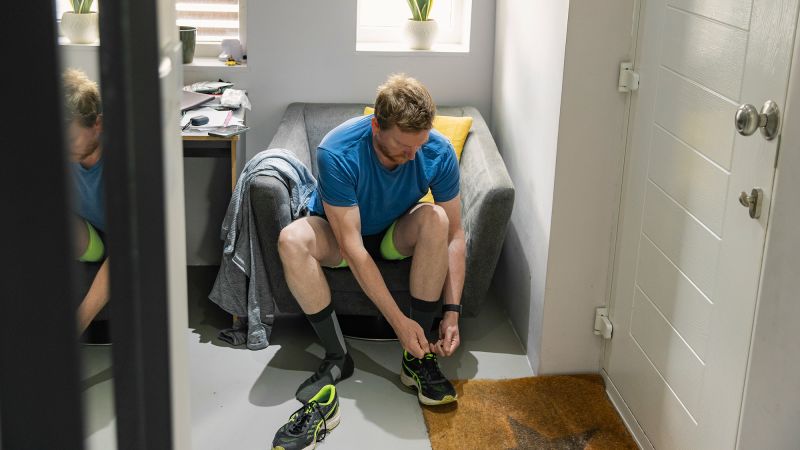
Furthermore, creating environments conducive to movement can encourage more physical activity. Hill advocates setting up homes to facilitate spontaneous exercise, suggesting practical changes like leaving walking shoes near the front door. These small adjustments can promote a more active lifestyle without expectation.
Lastly, the concept of self-compassion plays a critical role in sustaining motivation. Hill advises treating oneself with kindness and understanding, enabling better emotional responses to setbacks or discomforts experienced during exercise. She posited that compassion not only benefits personal motivation but fosters a wider sense of community and shared challenges among individuals.
As individuals strive for consistent physical activity amid the hardships of winter, Hill’s insights provide a multi-faceted approach that addresses both psychological barriers and practical adjustments that can lead to a more active lifestyle.