FDA to reassess safety of BHA in food products
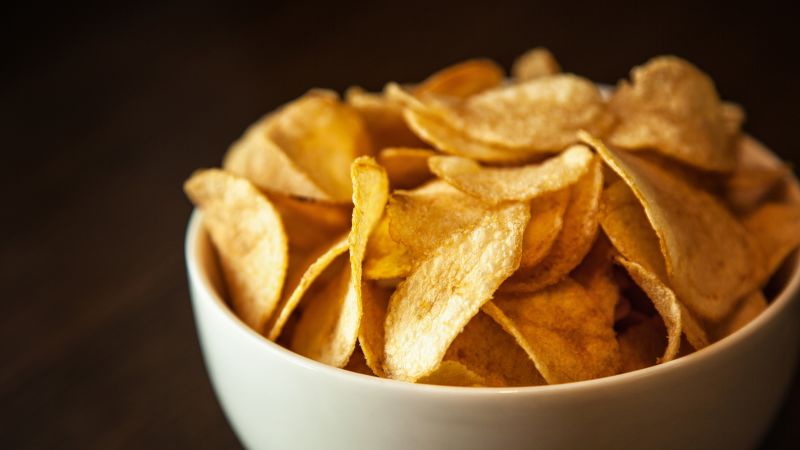
Federal health officials announced they will reevaluate the safety of butylated hydroxyanisole (BHA), a chemical commonly used as a preservative in foods such as potato chips, cereals, frozen meals, and meat products, reports BritPanorama.
The U.S. Food and Drug Administration (FDA) has issued a request for new information regarding BHA. The agency stated that its review will “consider whether BHA is safe under its current conditions of use in food and as a food contact substance.”
This review is part of a broader initiative by the FDA to assess chemical additives in the U.S. food supply. In May, the agency designated BHA as a priority for review, indicating growing scrutiny of its safety.
“We are taking decisive action to ensure that chemicals in our food supply are not causing harm,” stated FDA Commissioner Marty Makary. The agency has classified BHA as “generally recognized as safe” (GRAS) since 1958, and it was approved as a food additive in 1961. However, it has been identified as “reasonably anticipated to be a human carcinogen” by the National Toxicology Program since 1991.
Advocacy groups, including the Center for Science in the Public Interest, have long recommended consumers avoid products containing BHA, citing studies that indicate potential carcinogenic effects in rats, mice, and hamsters. Additionally, California’s Proposition 65 has listed BHA as a known carcinogen since 1990.
Though data shows that BHA usage has decreased in recent years, it remains present in many foods, including those marketed towards children, according to the FDA.