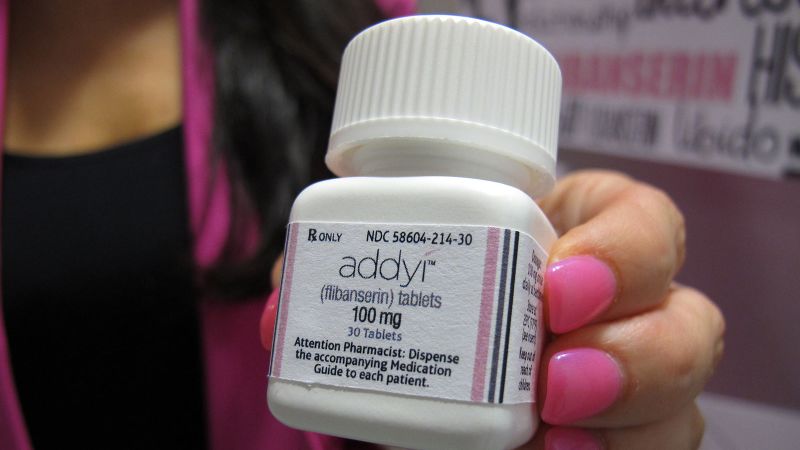
FDA expands approval for libido-boosting drug
U.S. health officials have expanded approval of a much-debated drug aimed at boosting female libido, saying the once-a-day pill can now be taken by women older than 65, reports BritPanorama.
The announcement Monday from the Food and Drug Administration broadens the drug’s use to older women who have gone through menopause. The pill, Addyi, was first approved 10 years ago for premenopausal women who report emotional stress due to low sex drive.
Addyi, marketed by Sprout Pharmaceuticals, was initially expected to become a blockbuster drug, filling an important niche in women’s health. But the drug came with unpleasant side effects including dizziness and nausea, and it carries a safety warning about the dangers of combining it with alcohol. The boxed warning, FDA’s most serious type, cautions that drinking while taking the pill can cause dangerously low blood pressure and fainting.
Sales of Addyi, which acts on brain chemicals that affect mood and appetite, have been limited. In 2019, the FDA approved a second drug for low female libido, an on-demand injection that acts on a different set of neurological chemicals.
Sprout CEO Cindy Eckert said in a statement the approval “reflects a decade of persistent work with the FDA to fundamentally change how women’s sexual health is understood and prioritized.” The company, based in Raleigh, North Carolina, announced the FDA update in a press release Monday.
The medical condition for a troublingly low sexual appetite, called hypoactive sexual desire disorder, has been recognized since the 1990s and is thought to affect a significant portion of American women, according to surveys. After the blockbuster success of Viagra for men in the 1990s, drugmakers began pouring money into research and potential therapies for sexual dysfunction in women.
But diagnosing the condition is complicated because of how many factors can affect libido, especially after menopause, when falling hormone levels trigger a number of biological changes and medical symptoms. Doctors are supposed to rule out a number of other issues, including relationship problems, medical conditions, depression, and other mental disorders, before prescribing medication.
The diagnosis is not universally accepted, and some psychologists argue that low sex drive should not be considered a medical problem.
The FDA rejected Addyi twice prior to its 2015 approval, citing the drug’s modest effectiveness and worrisome side effects. The approval came after a lobbying campaign by the company and its supporters, Even the Score, which framed the lack of options for female libido as a women’s rights issue.
The ongoing discourse surrounding female sexual health continues to evolve, reflecting broader societal changes.