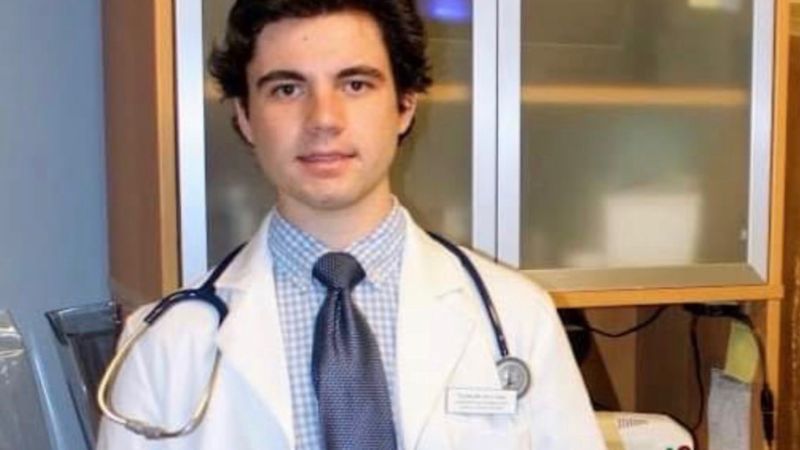
Conor Hylton, a 26-year-old dental student at the University of Connecticut, died at Bridgeport Hospital Milford Campus in August 2024 after being diagnosed with several serious health conditions including pancreatitis and alcohol withdrawal, with a family lawsuit alleging inadequate care by medical staff leading to his death, reports BritPanorama.
Hylton’s father’s emotional tribute described him as a talented all-state hockey goalie and top student, noting the profound loss felt by family and friends. He was pronounced dead via a telehealth provider rather than by an attending physician, which the lawsuit claims reflects a broader issue with telehealth in urgent care scenarios.
Medical experts express concern over the increasing number of patients, like Hylton, who do not receive in-person evaluations from intensive care specialists during emergencies. Hylton was admitted to the hospital on August 14, 2024, but following a rapid decline in his condition, he was transferred to the ICU where, according to the lawsuit, no on-site intensivist was present. Instead, care was managed through a tele-ICU system, leaving critical gaps in his treatment.
During his stay, Hylton’s condition deteriorated quickly. By the early morning hours, he was unresponsive and required emergency intubation. The lawsuit identifies delays in his care, including a 10-minute wait while a doctor from the emergency room sought direction, which the family claims contributed to his death. The investigation revealed “extremely poor communication” regarding Hylton’s declining health and condition updates which were not communicated to his family.
As discussions emerge around the adequacy of telehealth in critical situations, expert opinions underscore a need for established standards in telemedicine. Dr. Jeremy Kahn noted that while telehealth capabilities are expanding, particularly post-COVID-19, the absence of rigorous guidelines presents significant challenges in emergency contexts. Ethical considerations, as outlined by Dr. Art Caplan, highlight a lack of national standards for certification and training of remote ICU practitioners.
In their pursuit of justice, Hylton’s family is also advocating for improved care standards and processes in hospitals nationwide. They hope their case will raise awareness about the potential shortcomings of telehealth in critical care environments, ensuring no other families face similar tragedies due to inadequate medical protocols.
The case raises pressing questions about the future of remote health services in urgent medical care, a conversation likely to gain traction as more hospitals integrate telehealth into their practices without sufficient oversight or clear guidelines.