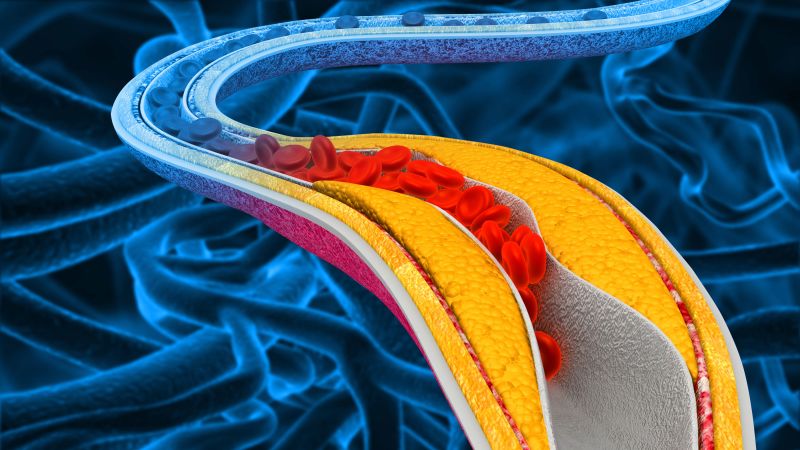
For patients struggling to achieve target cholesterol levels despite lifestyle changes and statin medications, a new experimental pill shows promise. Phase 3 trial data reveal that those taking the investigational drug enlicitide alongside their standard cholesterol-lowering regimen, such as statins, experienced up to a 60% reduction in LDL or “bad” cholesterol after 24 weeks of daily treatment, reports BritPanorama.
The data demonstrated significant results when compared to participants receiving a placebo along with their routine medications. All study participants had elevated LDL cholesterol levels and either a history of major cardiovascular events or were at heightened risk of such events. The findings, yet to be peer-reviewed, were presented during the American Heart Association’s Scientific Sessions.
In total, 2,912 adults participated in the study, with an average age of 63. They had either experienced a previous heart attack or stroke or were deemed at high risk for such incidents within the next decade. Testing spanned 14 countries between August 2023 and July 2025.
While 97% of the participants were on statins, 26% were on additional cholesterol-lowering medications. During the study, participants were administered a once-daily dose of enlicitide or a placebo. The drug, classified as a PCSK9 inhibitor, facilitates the clearance of LDL cholesterol from the bloodstream, contrasting with statins, which target liver enzymes to reduce cholesterol production.
Dr. Puja Banka, associate vice president of clinical research at Merck, indicated that the aim was to demonstrate enlicitide’s potential benefits atop statin treatment, noting that about 70% of patients do not meet LDL cholesterol targets with existing therapies. After 24 weeks of treatment, adults on enlicitide sustained LDL reductions over 52 weeks, showcasing a broader spectrum of cholesterol management.
Results included a 53% decline in other cholesterol types not affecting “good” HDL cholesterol, a 50% drop in ApoB, and a 28% decrease in lipoprotein(a). Safety profiles were also assessed; participants on enlicitide exhibited serious adverse events at a rate of approximately 10%, similar to those on placebo, suggesting no alarming imbalances in adverse effects.
Dr. Kristin Newby, a cardiologist at Duke University not involved with the study, remarked on the potential of combining enlicitide with statin therapy to enhance LDL cholesterol reductions. The confidence in enlicitide’s efficacy comes as patients increasingly seek effective management strategies for high cholesterol, particularly when conventional treatments fall short.
By offering an oral alternative to current injectable PCSK9 inhibitors on the market, enlicitide could address patient preferences for daily administration over injections, potentially improving adherence and outcomes for those with challenging cholesterol management issues.
The full implications of these findings await further investigation, with ongoing studies positioned to clarify enlicitide’s role in cardiovascular health and its impact on larger patient populations.