EPA to examine microplastics and pharmaceuticals in tap water
The U.S. Environmental Protection Agency (EPA) has announced plans to assess the effects of microplastics and pharmaceutical medications on the safety of the nation’s tap water for the first time, reports BritPanorama.
Health officials are framing this initiative as a significant achievement for the “Make America Healthy Again” (MAHA) movement, led by U.S. Health and Human Services Secretary Robert F. Kennedy Jr. However, any resulting regulations could take years to implement, depending on whether they are even proposed.
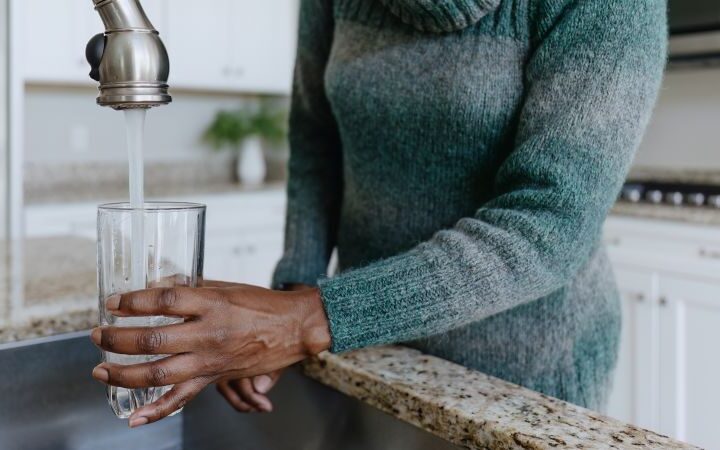
“With this effort, the Trump EPA is advancing gold standard science to inform policy and ensure the best possible outcomes so parents can feel confident filling their children’s glasses at the kitchen sink,” said EPA Administrator Lee Zeldin during a Thursday briefing.
In addition to this assessment, Kennedy announced a separate $144 million initiative to improve the detection and understanding of microplastics present in human blood, tissues, and organs.
A lengthy process
The inclusion of microplastics and pharmaceuticals onto the drinking water Contaminant Candidate List (CCL) reflects their status as emerging public health threats. As mandated by the Safe Drinking Water Act, the EPA must update the CCL every five years to include potential contaminants not currently regulated.
The updated CCL draft identifies four contaminant categories: microplastics, pharmaceuticals, per- and polyfluoroalkyl substances (PFAS), and disinfection byproducts. Further, over 75 additional chemicals and nine microbes found in drinking water will also be investigated.
However, merely placing pharmaceuticals on the CCL does not compel immediate action from the government or public water systems. The EPA has five years to choose at least five contaminants for regulation, and even if it proceeds, the regulatory process may extend for decades.
Dr. Philip Landrigan, a pediatrician and director of the Program for Global Public Health at Boston College, described the move as a positive step but expressed caution. “But given recent rollbacks of health-protective standards limiting levels of toxic pollutants in air and water, let’s see if it actually translates into regulatory action,” he noted in an email.
The Trump administration’s proposed 2026 budget included dramatic cuts to funding for state and local public water systems, slashing it by 90%. Jessica Hernandez, legislative director for the Environmental Working Group, indicated that Congress rejected this proposal. Still, she labeled Thursday’s announcement as a “classic bait and switch.”
Hernandez further asserted, “The bottom line is that the EPA must review a list of contaminants every five years, but it does not actually have to regulate them. The administration has tried to cut established, effective programs only to announce new initiatives that lack funding or enforcement teeth.”
Microplastics
Microplastics are defined as fragments smaller than 5 millimeters, with nanoparticles being less than 1 micrometer in size. A recent study indicated that up to 83% of tap water tested globally contains microplastics, though concentrations are significantly lower than those found in single-use bottled water.
Research reveals individuals drinking bottled water alone could be consuming approximately 90,000 microplastics annually, compared to only about 4,000 for those using tap water exclusively. Moreover, microplastics have been identified in various human biological samples, but only one study to date has established a link to health risks, suggesting an elevated likelihood of heart attack or stroke among those with microplastics in their arteries.
Systematic targeting of microplastics
The inclusion of microplastics on the CCL is complemented by an initiative named STOMP (Systematic Targeting of Microplastics). This plan aims to develop tools capable of detecting micro- and nanoplastics, an ability currently limited to few laboratories across the United States.
“We can’t treat what we cannot measure. We cannot regulate what we don’t understand,” Kennedy stated Thursday. He emphasized the need to define risks and act based on evidence regarding microplastics.
Experts are urging immediate action due to the potential long-term impacts on health. “It could be 30, 40 years before we start to realize change that’s relevant,” cautioned Dr. Matthew Campen from the University of New Mexico.
The American Chemistry Council expressed support for science-driven monitoring of microplastics, highlighting the need for a comprehensive drinking water monitoring program that addresses numerous existing challenges.
Pharmaceuticals in drinking water
The EPA is prioritizing the evaluation of pharmaceuticals—including antidepressants, hormones, and antibiotics—as emerging contaminants in drinking water for the first time. Prior research has underscored potential reproductive risks to aquatic life from pharmaceuticals, with some studies indicating rises in antibiotic-resistant bacteria in water due to their presence.
While pharmaceuticals have been detected globally, it remains uncertain whether current trace levels pose a risk to human health, particularly regarding long-term exposure and interactions among various drugs in the water supply.
PFAS flip-flops
Per- and polyfluoroalkyl substances (PFAS) have raised health concerns due to links with several severe health conditions, including cancer. Despite long-standing calls to regulate PFAS in drinking water, only federal limits were established under the Biden administration in April 2024, requiring utilities to filter specified PFAS compounds. However, subsequent rollbacks initiated in May 2025 by the Trump administration have raised alarms among health advocates.
Byproducts of disinfectants
Disinfection byproducts (DBPs) occur during the treatment of water with disinfectants, notably chlorine, and have been associated with various health risks. While necessary for eliminating harmful microorganisms, the presence of DBPs raises concerns over their potential links to adverse health effects, including cancer.