Women experiencing the challenges of menopause—including hot flashes, mood swings, and sleep disturbances—are increasingly targeted by aggressive marketing tactics for various products, reports BritPanorama.
With more discussions surrounding menopause and its precursor, perimenopause, women find themselves confronted with an array of products, from rejuvenating lotions and mood-enhancing supplements to innovative gadgets. The rise of social media has amplified these marketing efforts, leading to greater visibility of both effective solutions and dubious claims.
Dr. Nanette Santoro, an OB-GYN professor at the University of Colorado Anschutz, noted the intensity of this marketing surge. “The marketing has gotten very, very aggressive. It’s pervasive,” she observed.
Physicians, including Dr. Santoro, advise women to consult with healthcare providers before purchasing treatments that promise significant benefits. They stress the importance of distinguishing between scientifically validated therapies and unproven products. “It really pays to be very, very, very skeptical,” Santoro added.
A flood of marketing
During menopause, a decrease in estrogen and progesterone levels can trigger symptoms such as hot flashes and mood changes, as well as worsening skin quality. Dr. Angela Angel from Texas Health Presbyterian Hospital Dallas indicated that while doctors once initiated conversations about menopause, many women now seek appointments specifically for this purpose.
Patients often arrive with prior experiences of various products that didn’t meet their expectations. “They’re coming to see me because it’s not effective or because it’s caused some other side effect,” Angel reported. To aid women in navigating this landscape, her hospital has launched a menopause support group focusing on informed decision-making amidst the flood of marketing.
The range of marketed products has expanded significantly, with offerings such as bracelets and cooling blankets designed to alleviate symptoms. Dr. Santoro suggests a cautious approach to expenditures on such items. “Balance what you’re going to spend over whether this might help you,” she advised, advocating for evidence-based treatments.
Santoro continued, explaining the rationale behind low-cost trial products, stating that “if it’s a bracelet that’s going to cost you $20, it’s not a big expenditure.” However, she encourages women to return for proven treatments when they’re ready to seek reliable solutions.
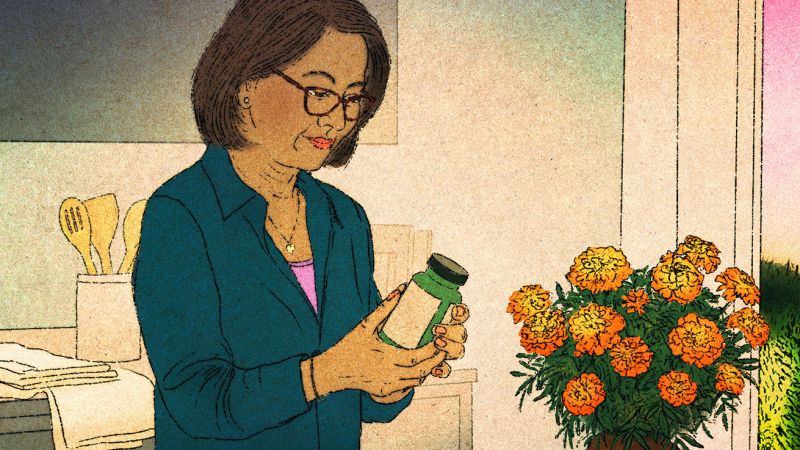
Dietary supplements marketed for symptom relief have not shown proven efficacy in rigorous scientific studies, but many come at a low price point with minimal risk. Santoro emphasizes the importance of keeping healthcare providers informed about any new products being tried.
Doctors maintain that most over-the-counter solutions for menopause align closely with standard beauty and wellness products in terms of ingredients.
Advice from doctors
Dr. Monica Christmas, director of the menopause program at the University of Chicago Medicine, highlighted that symptoms vary widely among women. While some may experience mild issues, others can face severe symptoms. She emphasizes the significance of seeking medical guidance during this transition.
Healthcare providers recommend that hormone therapy, prescribed based on individual needs, can effectively manage symptoms. Non-hormonal medications have also been suggested for women who may face complications from hormone therapy. “Not everybody needs hormone therapy, not everyone is a candidate for hormone therapy, not everybody should be on hormone therapy,” Angel stated, pointing out the need for tailored treatment plans.
Physicians advocate for regular exercise and a balanced diet as beneficial strategies for symptom management, which can also contribute to weight control. Recommendations include avoiding alcohol, particularly for those prone to hot flashes, as it may exacerbate symptoms. “Many of the symptoms actually get better over time,” Dr. Christmas noted, insisting that lifestyle changes can mitigate the impact of menopause.
Brandi McGruder, a 49-year-old school librarian, recounts her experience of realising she was in perimenopause during a birthday dinner. After consulting her doctor, she was prescribed an estrogen patch, which has been effective. While acknowledging the unpleasant signs of aging, she advises others, “Laugh. It’s OK. Reach out to others experiencing what you are going through, don’t take it so serious.”
Concerns about skin
As women age, skin changes during menopause are driven by a loss of collagen and hyaluronic acid, leading to thinner skin. Dr. Melissa Mauskar, a dermatologist, suggests that retinoids, whether prescribed or over-the-counter, can bolster collagen production and diminish wrinkles.
She also recommends moisturizers with ceramides, available at drugstores, emphasizing the avoidance of formulas with excessive additives. “But you don’t want to have anything that has too many additive ingredients,” Mauskar cautioned, noting that natural ingredients can sometimes trigger allergic reactions.
Products featuring ingestible collagen are marketed with claims they will enhance skin quality; however, Mauskar points out that scientific evidence is mixed. Light therapy masks may offer some benefits, but effects are not immediate, requiring consistent long-term use. Regular sunscreen application is also vital for preventing sun damage.
Mauskar believes that although innovative products are emerging for menopausal women, established treatments grounded in science remain the most reliable options for successful skin care during this life stage.