Mummified cheetah finds could aid reintroduction efforts in Saudi Arabia
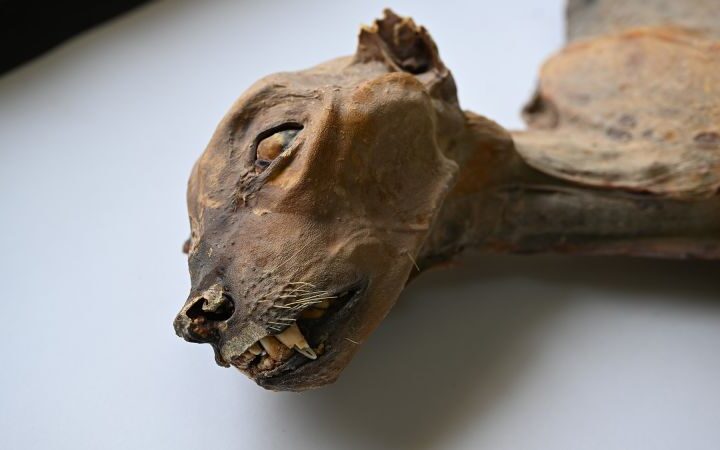
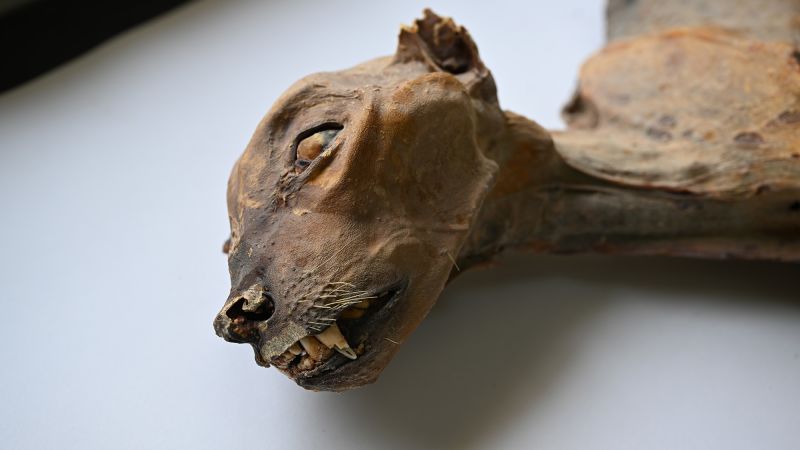
During wildlife surveys conducted in Saudi Arabia’s northern region in 2022 and 2023, scientists from the National Center for Wildlife discovered seven naturally mummified cheetahs across five caves near Arar. The remains were remarkably well preserved, featuring intact soft tissue and skeletons, reports BritPanorama.
Analysis of the DNA from three of these mummies has presented significant findings, suggesting pathways for the potential reintroduction of cheetahs to their native habitats in the Arabian Peninsula. Historically, cheetahs roamed across Africa and parts of Asia, but their presence has drastically diminished, now occupying only 9% of their former range. The Asiatic cheetah, known scientifically as Acinonyx jubatus venaticus, was previously considered the only subspecies to inhabit Saudi Arabia and is now critically endangered, with a small population found in Iran. By the 1970s, cheetahs were declared locally extinct across the Arabian Peninsula.
However, genetic analysis revealed that the two of the oldest mummified cheetahs identified were genetically closer to Acinonyx jubatus hecki, commonly referred to as the Northwest African cheetah. These findings, published in January in the journal Communications Earth & Environment, indicate at least two cheetah subspecies once thrived in the Arabian Peninsula, a discovery that could significantly inform reintroduction programs as scientists gain insights into the lineages that historically inhabited the region.
Lead author Ahmed Al Boug, an ecologist and deputy CEO of the National Center for Wildlife, expressed surprise regarding the findings, noting, “This discovery represents the first documented case of natural mummification in cheetahs,” and the first physical evidence of the existence of cheetah subspecies in the Arabian Peninsula. “Moreover, cave use by cheetahs is extremely atypical behavior,” he added, suggesting that the context of this discovery is particularly noteworthy.
Additionally, researchers have uncovered skeletal remains of 54 other cats within the caves, with further dating revealing the oldest to be almost 4,000 years old. The specimens analyzed are believed to date from approximately 130 to 1,870 years ago, leading to further investigations of remaining mummified samples. Al Boug emphasized the importance of this finding in understanding regional extinction patterns and the specific cheetah lineages that once thrived in northern Saudi Arabia.
The impact of this research may extend to conservation efforts. Adrian Tordiffe, a veterinary wildlife specialist, highlighted that the remains represented clear evidence of ecological presence, with young and adult cheetahs indicating breeding populations. “This tells us the Arabian Peninsula was once an important natural bridge for cheetahs, not an ecological dead end,” he observed.
The findings underscore the Arabian peninsula’s potential to support cheetah populations again, particularly as conservation efforts intensify. Large protected areas have emerged across the Middle East, mitigating some key threats such as habitat degradation and human interference. With evidence now available about the historical presence of cheetahs, future reintroduction efforts can incorporate animals that are ecologically fitting, promoting the successful establishment of these predators in a region where they once thrived.
As Saudi Arabia embarks on initiatives to restore its wildlife, the robust evidence from the cheetah mummies may transform conservation strategies, contributing to a healthier ecosystem across the region.