Colossal Biosciences announces biovault for endangered species in UAE
Colossal Biosciences, the biotech company attempting to revive species including the dodo, mammoth, and Tasmanian tiger, has announced it is creating a biovault for endangered species in the United Arab Emirates (UAE), reports BritPanorama.
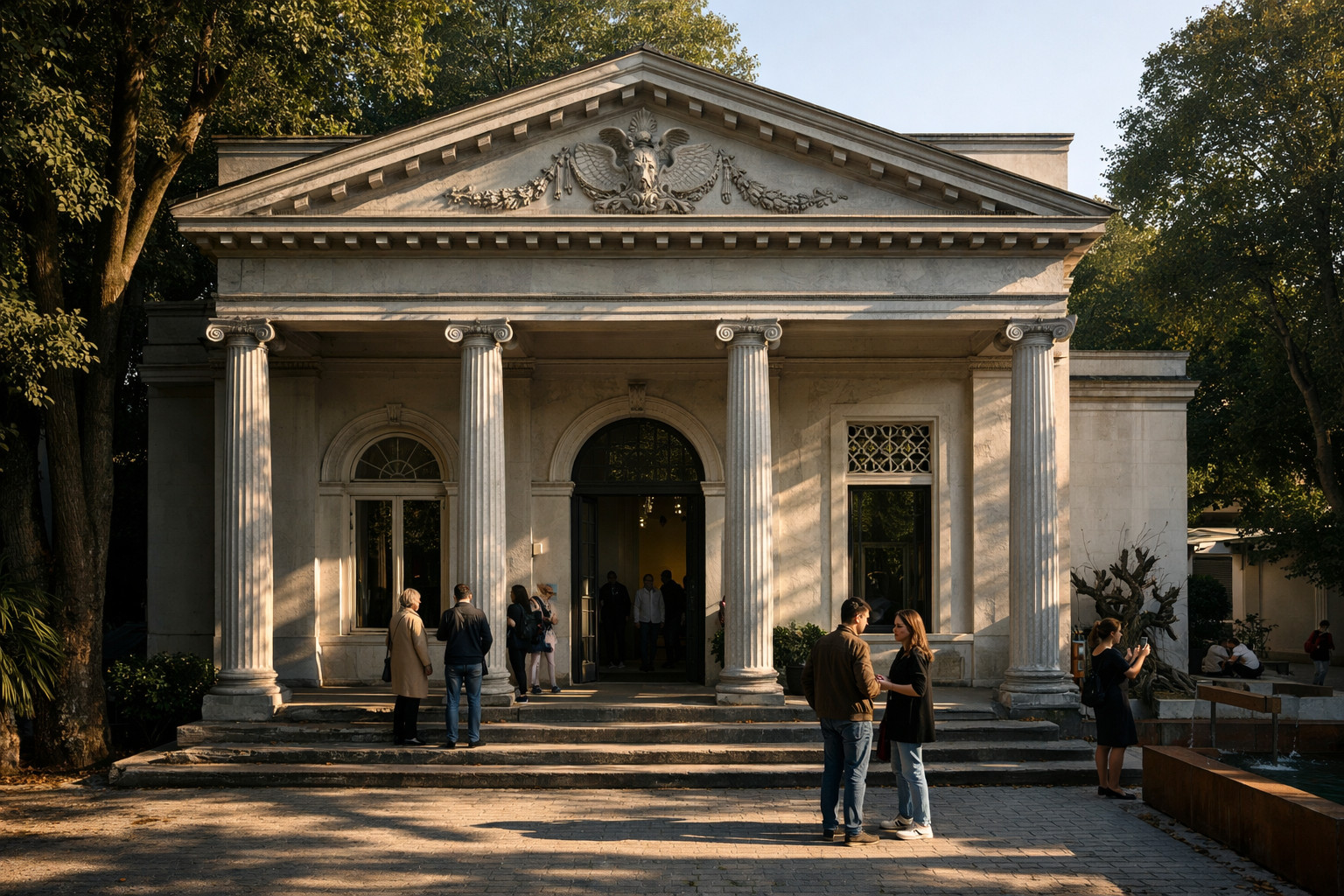
Located within Dubai’s Museum of the Future, the Colossal Biovault and World Preservation Lab will hold millions of frozen tissue and other samples from 10,000 species, focusing on the 100 most endangered globally and specifically in the UAE, according to the company.
In April last year, Colossal revealed it had “resurrected” the extinct dire wolf, producing three wolves — two males and a female — using ancient DNA, cloning, and gene-editing technology to modify the genes of a gray wolf. Experts noted that these wolves represent a hybrid form, not a direct clone of the extinct species.
The Dallas-based company plans a dual approach for the biovault’s samples, using them for both research on endangered species and potential future revival of species that may go extinct.
In an interview, co-founder and CEO Ben Lamm likened the new biovault to the Svalbard Global Seed Vault in the Arctic Circle, which preserves nearly 1.4 million seed samples, emphasizing the need for a similar preservation method for animals. “We need to start backing up all life on Earth, because while conservation works, it’s not working at the speed (at) which we’re eradicating species,” he stated.
The International Union for Conservation of Nature (IUCN) Red List currently evaluates over 48,000 species threatened with extinction among 172,600 species assessed. Estimates regarding the extinction rate of species vary, partly due to many species remaining undiscovered or unclassified.
Lamm expressed the intent to hold multiple samples of each species to ensure genetic diversity, critical for long-term viability. He emphasized that several species serve as keystone species in their ecosystems; their extinction could disrupt the balance and have widespread effects on the environment.
Despite the ambitious scale of Colossal’s project, similar facilities exist internationally. The San Diego Zoo’s Institute for Conservation Research operates a “Frozen Zoo,” housing samples from over 1,300 species and subspecies. Cloning advancements have allowed for the creation of four endangered species, including Przewalski’s horse and the black-footed ferret, from preserved genetic material.
Additionally, the Frozen Ark charity has gathered 48,000 DNA samples from various species, including the snow leopard and the Scimitar Horned Oryx, across multiple UK sites. San Diego Zoo Wildlife Alliance remarked that the acceleration of “cryptopreservation of living cells” is crucial for the future of Earth’s biodiversity, stressing that collaboration across organizations is essential.
Concerns regarding regulatory frameworks, governance, and international policy compliance have been raised, stating that a sustainable biobanking strategy necessitates the development of local biobanking capacity in biodiverse regions.
Dusko Ilic, a professor at King’s College London, commented that there are too few public details available to assess the viability of Colossal’s biovault. He pointed out the importance of transparency regarding the scope, governance, and funding of such initiatives. “Cryobanking alone does not equate to conservation impact,” he cautioned.
While the concept of frozen zoos captures public interest and raises awareness about biodiversity loss, Ilic believes they should complement, rather than replace, conservation measures such as habitat protection and population management.
The new biobank initiative is part of a substantial investment in the UAE, which recently allocated $60 million to Colossal, contributing to the $615 million raised by the company since its inception in 2021. The biovault’s presence within a museum is intended to showcase ongoing scientific efforts and engage the public in environmental issues.
Notably, the list of the 100 most endangered species to be included in the vault is still under development, formed through a collaborative research effort with the UAE. Colossal aims for this biovault to be the first in a planned global network of such facilities.