Cervical cancer screening recommendations updated for at-home testing
Cervical cancer, one of the most preventable forms of cancer, remains a significant health concern, with over 4,300 women expected to die from the disease in the United States this year, according to the American Cancer Society. Effective screening can identify precancerous changes before cancer develops, which underscores the importance of prompt and accessible testing, reports BritPanorama.
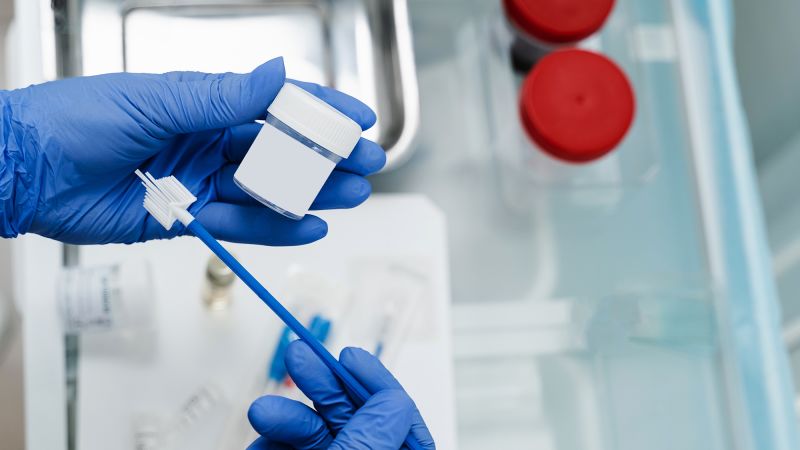
In a notable shift, the American Cancer Society has revised its cervical cancer screening guidelines, endorsing self-collection of samples at home as an option for the first time. This change is aimed at improving accessibility and encouraging more women to participate in regular screenings, particularly given that symptoms typically do not appear until the disease has advanced.
Dr. Leana Wen, an emergency physician and adjunct associate professor, emphasized that early detection through screening is crucial since cervical cancer often remains asymptomatic during its early stages. The two primary methods for cervical cancer screening now include HPV testing and Pap tests, both vital for identifying the disease early.
The recent update allows women to collect their own vaginal samples for HPV testing under certain circumstances, reflecting research indicating that self-collected samples can reliably detect high-risk HPV. However, the preferred option remains provider-collected samples, recommended every five years. Self-collection is suggested every three years for women aged 25 and older who meet specific health criteria and do not exhibit symptoms of cervical cancer.
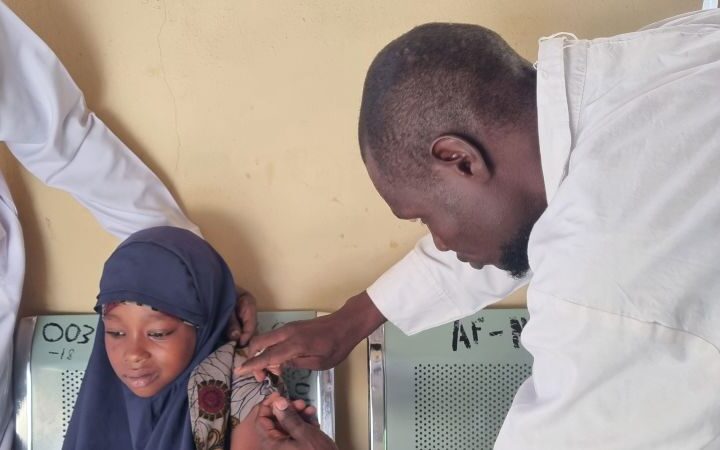
While self-collection may appeal to those uncomfortable with traditional clinical screenings, Dr. Wen noted that women should discuss their options with healthcare providers. Moreover, vaccination against HPV is a key preventive measure, with the CDC recommending vaccination starting at ages 11 or 12, as it can provide nearly complete prevention of cervical cancer when administered before exposure to the virus.
In addition, women are advised to avoid smoking and practice safe sex, as these factors can influence the likelihood of developing cervical cancer. Continued engagement with preventive care, including vaccination and regular screenings, remains essential in the fight against this disease.
The evolving landscape of cervical cancer screening reflects an ongoing effort to enhance public health strategies and improve outcomes through increased accessibility and awareness.