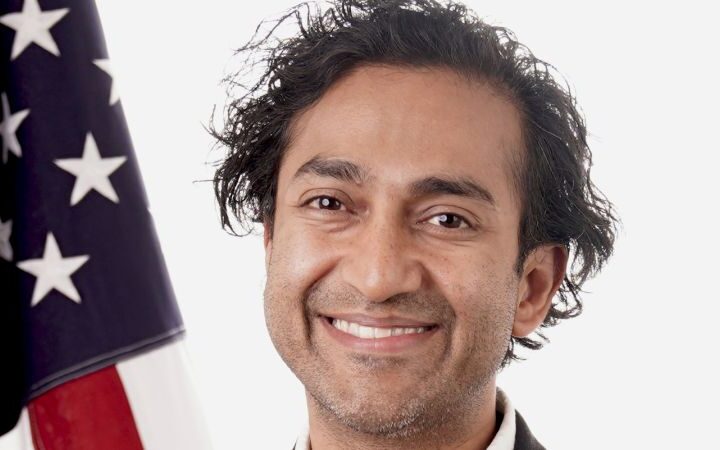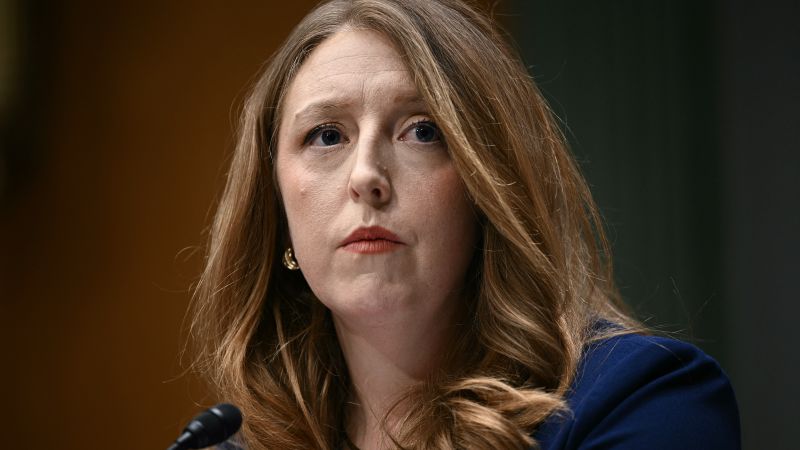
Wellness influencer Dr. Casey Means’ nomination to be U.S. surgeon general is stalled, a month after senators of both major political parties grilled her on vaccines and other health topics during a tense confirmation hearing, deepening doubts about her ability to secure the votes she needs for the role, reports BritPanorama.
The nomination has languished despite ongoing efforts from the White House and Make America Healthy Again activists, revealing how intractable rifts over health policy can be even when Congress has shown deference to President Donald Trump. This impasse is the latest snag in Health Secretary Robert F. Kennedy Jr.’s agenda following two legal setbacks last week.
Means, a 38-year-old Stanford-educated physician who became disillusioned with traditional medicine and did not finish her surgical residency program, has faced scrutiny for her lack of experience and potential conflicts of interest. Her close alignment with Kennedy, whose efforts to dramatically pull back vaccine recommendations have been criticized by lawmakers and medical groups, has also raised concerns.
To advance to a full Senate vote, Means likely needs every Republican on the Senate Health, Education, Labor and Pensions Committee to support her nomination. However, after last month’s hearing, Senators Lisa Murkowski of Alaska and Susan Collins of Maine indicated they still have questions for her.
Murkowski remarked that “I’m just in the same spot” regarding her hesitations. Meanwhile, Collins and Republican committee chairman Sen. Bill Cassidy, a physician from Louisiana who interrogated Means about vaccines during the hearing, have not responded to inquiries concerning the nomination delay.
White House spokesman Kush Desai stated that the Trump administration has been engaging in “productive conversations with the Senate” to advance Means’ nomination. He emphasized that her “elite academic credentials, research background and advocacy on America’s chronic disease epidemic will make her a critical asset for President Trump’s push to Make America Healthy Again.”
Kennedy spokesman Andrew Nixon reiterated support for Means, praising her advocacy for healthier lifestyle choices over “sick care.”
Contentious hearing set the stage for a tough path to confirmation
Means promotes ideas popular with the MAHA movement, arguing that Americans are overmedicalized and that diet and lifestyle changes should be pivotal in combating widespread chronic disease. However, she has been criticized for not maintaining an active medical license, failing to disclose financial relationships with brands she endorses, and for some of her past health-related comments.
During her hearing, senators pressed Means on how she would address vaccine concerns with the public.
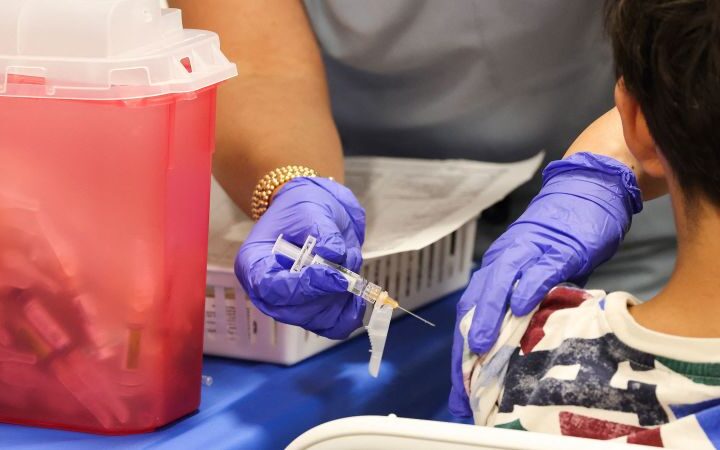
Senators Murkowski and Cassidy challenged Means about her previous reservations regarding the birth dose of the hepatitis B vaccine, which the U.S. Centers for Disease Control and Prevention stopped recommending for all children last year, a decision temporarily blocked by a federal judge. While Means acknowledged the significance of the hepatitis B vaccine, she maintained that parents should make informed decisions in consultation with their doctors.
Cassidy also inquired whether she would recommend vaccinations for the flu and measles amidst ongoing outbreaks. Means refrained from making such commitments, instead emphasizing informed consent.
Collins probed Means about her earlier advocacy for the therapeutic use of psychedelic mushrooms, to which Means responded that she wouldn’t recommend psychedelics for public use.
Kennedy’s supporters put pressure on hesitant senators
As it became apparent that Murkowski and Collins were undecided, MAHA activists initiated a campaign to rally support for Means, encouraging constituents to call the senators. “Please call both of them. Call them time after time. Get your friends to call them,” urged Tony Lyons, head of MAHA Action, during a recent assembly.
Opposition to Means’ nomination has also been vocal. Dr. Jerome Adams, who served as Trump’s first-term surgeon general, has described her as unqualified due to her inactive medical license. He reported that many Republicans in Congress, as well as within the Trump administration, have expressed disapproval of her candidacy but acknowledge it as Kennedy’s decision.
“What I keep hearing from folks is, ‘This is what Bobby wants,’” Adams added.
While surgeons general aren’t legally mandated to hold an active medical license, they are required to be part of the U.S. Public Health Service Commissioned Corps, which emphasizes that members maintain current licenses. Means testified during her confirmation hearing that she had voluntarily made her Oregon medical license inactive, yet Adm. Brian Christine, head of the Commissioned Corps, confirmed her eligibility to serve.
Even if Means clears the committee, she may still struggle to obtain confirmation from the full 100-member Senate. Republican Sen. Thom Tillis of North Carolina, who is not seeking re-election, expressed skepticism regarding his support, citing concerns that Means’ credentials don’t inspire confidence. “Her resume already puts me on alert — and then I don’t think she did herself any favors in the hearing,” he said.
Means’ confirmation delay is unusually long
With nearly 300 days since her nomination in May, Means’ confirmation process has become unusually protracted, taking almost twice as long as the average presidential pick during Trump’s second term, according to the nonprofit Partnership for Public Service. Their data reveal that the average timeline for Trump’s nominees was 157 days within the first 400 days of his presidency.
Some nominees have moved through the process much faster. For instance, Markwayne Mullin, the new Department of Homeland Security secretary, underwent his confirmation hearing, floor vote, and swearing-in all within a week.
One contributing factor to Means’ delayed nomination is the birth of her son last October, which coincided with her originally scheduled confirmation hearing. Chris Piper, manager of public policy and stakeholder engagement at the Partnership for Public Service, pointed out that the significant time elapsed since Means’ rescheduled hearing is noteworthy. Typically, candidates are voted out of committee within a week of their hearing. “A monthlong delay following a hearing is atypical for most nominations, particularly at this level of position,” he noted.