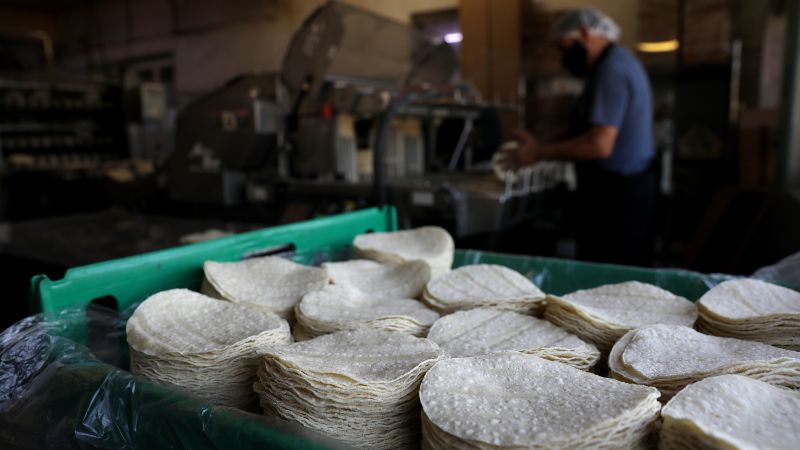
California’s recent legislation mandating the addition of folic acid to corn masa flour, which is used in tortillas and other staples, aims to mitigate the high rates of neural tube defects among Hispanic infants. The law, implemented in January, marks a significant step for maternal and infant health, especially poignant for mothers like Andrea Lopez, who lost her son Gabriel to a birth defect 15 years ago, reports BritPanorama.
This legislative move comes as a response to decades of disparities in health outcomes, particularly affecting Hispanic communities. Neural tube defects such as spina bifida and anencephaly, conditions that were notably reduced following the introduction of a federal mandate to fortify bread and cereals in 1998, have persisted among Hispanic infants without similar measures for corn masa flour.
Lopez, now a lawyer and mother of two, expressed her hope that this change would prevent others from enduring similar grief. She reflects on the emotional and physical toll of losing a child to a preventable condition, emphasizing the law’s potential impact: “It’s such a small effort for such a tremendous impact.” Further, a similar law is set to take effect in Alabama this June, while other states, including Florida and Georgia, are considering similar legislation, reflecting a growing recognition of the necessity for folic acid in traditional foods.
Advocates affirm that all women in the United States deserve access to folic acid to ensure healthier pregnancies. Scott Montgomery from the Food Fortification Initiative stressed the need for broad access to this nutrient. California’s initiative could further influence national practices, given the state’s considerable market influence, as noted by state Assemblymember Joaquin Arambula, who spearheaded the legislation.
Corn masa was excluded from a national mandate
For over 30 years, the fortification requirement for folic acid has applied to various grain products, excluding corn masa flour, a dietary staple in Latino communities. This oversight has contributed to persistently high rates of birth defects in these populations. While federal guidelines had allowed fortification of corn masa products in 2016, reluctant adoption resulted in only a fraction of products being fortified by 2023.
Research indicates that the fortification of grains can significantly reduce rates of serious defects. Although California’s initiative represents a policy shift, the challenge of ensuring nationwide compliance remains paramount. The shifting landscape is now seeing more major producers, such as Gruma Corp., committing to fortification in their products, which may catalyze smaller manufacturers to follow suit.
Higher rates of birth defects among Hispanic moms
Statistics underscore the urgent need for this legislation: Hispanic women face higher incidences of neural tube defects compared to their white or Black counterparts, particularly in California, where the rates are reportedly double. The successful establishment of folic acid fortification in one state may prompt similar actions across the nation, with public health advocates highlighting the proven effectiveness of such measures.
Health officials have expressed optimism about the growing momentum for corn masa flour fortification, noting its potential for widespread acceptance and implementation. With fortification now becoming more commonplace among tortilla manufacturers, proponents assert that these public health interventions will lead to improved maternal and child health outcomes.
RFK Jr. calls corn masa fortification ‘insanity’
This legislative progress, however, has not been universally accepted. Robert F. Kennedy Jr., California’s Health Secretary, labeled the fortification law as “insanity,” claiming that it unduly targets disadvantaged communities. His remarks reflect a wider skepticism from some corners of government regarding the necessity and implications of such health regulations.
Critics argue that the mandatory fortification undermines individual choices about dietary intake and represents governmental overreach. However, advocates and health experts contend that the nutritional benefits far outweigh concerns. They assert that misinformation regarding the risks of folic acid fortification has proliferated online, distorting public perception.
Medical professionals consistently affirm that the benefits of folic acid fortification include the prevention of severe birth defects. Research and public health guidelines assert that the inclusion of folic acid in diets is not only beneficial but necessary for pregnant women, especially those planning pregnancies. The U.S. Centers for Disease Control and Prevention further supports the notion that fortification is essential in preventing neural tube defects.
Without fortification, ‘It’s just too late’
Neural tube defects occur early in pregnancy, often before many women are aware they are expecting. With unintended pregnancies being a significant factor, the need for proactive measures like fortification becomes clear. Experts highlight that while prenatal vitamins are vital, they often come too late for many women.
Andrea Lopez, who experienced the profound loss of her first child due to a preventable condition, advocates strongly for the fortification measure. She describes her disbelief that such measures took so long to implement, emphasizing the enduring pain connected to her past loss. “Trust me, you don’t want to go through this,” she states, underscoring the personal significance of this health policy for families across the state and beyond.
This evolving narrative surrounding folic acid fortification reflects broader public health trends, underscoring the critical need for proactive legislative measures to protect vulnerable communities and prevent tragic outcomes. The impact of California’s law might resonate far beyond its state borders, potentially reshaping national policies on maternal and infant health.