Positive aging: a new perspective on longevity
A new study has highlighted the importance of maintaining a positive attitude towards aging, revealing that older individuals who embrace positive thinking tend to enjoy better mental and physical health outcomes. This marks a significant shift in understanding how attitude impacts the aging process, reports BritPanorama.
The research, which reviewed over 11,000 seniors over a period of nearly a decade, found that more than 45% of participants displayed improvement in cognitive functions or physical agility. Factors underpinning these enhancements included positive outlooks on aging, suggesting an inherent resilience among those with a proactive mindset.
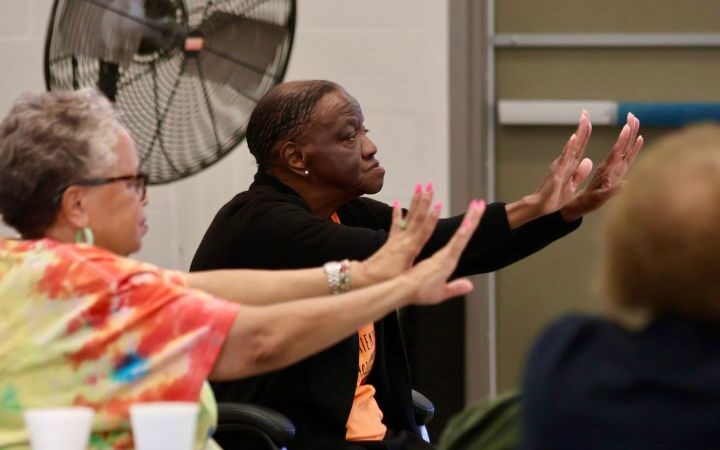
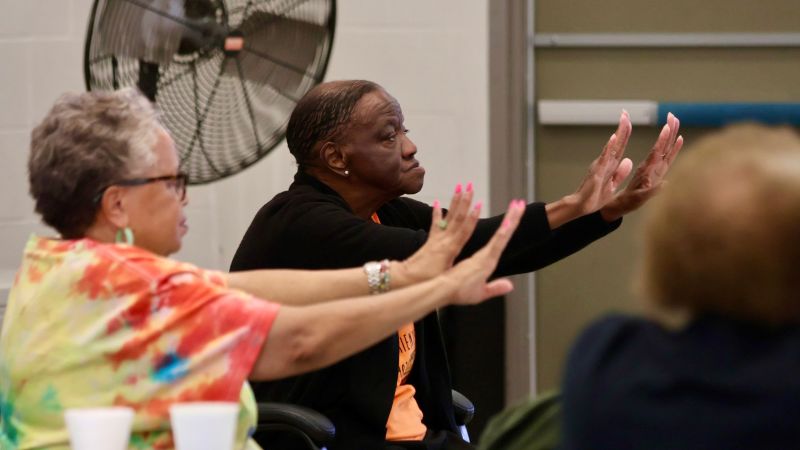
Vivian Cook, 66, a participant in Atlanta’s Primetime Seniors program, embodies this philosophy. She asserts, “I don’t sit still. I don’t stay home, and I’m always thinking positive.” Alongside her friends Lilla Doe, 74, and Sirlene Watts, 67, she credits their active engagement—through activities such as yoga and line dancing—for promoting their well-being.
The findings align with earlier studies indicating that positivity can lead to decreased risks of chronic conditions and even lower mortality rates. For instance, a study from 2022 found that those with a more positive view of aging had a 43% lower risk of death from any cause compared to their less optimistic counterparts.
Attitude is everything
Dr. Becca R. Levy, a co-author of the latest study and professor at the Yale School of Public Health, emphasizes that societal perceptions of aging often skew negative, which can significantly influence individuals’ feelings about their age. Citing examples such as long-distance swimmer Diana Nyad, who achieved a remarkable swim from Cuba to Florida at age 64, Levy’s research suggests that many individuals possess latent cognitive and physical potentials that can be unlocked through a shift in attitude.
Furthermore, the results reflect a broader cultural challenge. People often internalize negative messages about aging, leading to a restrictive view of their capabilities. This stigma can hinder individuals from seeking out pursuits that foster physical and mental health.
Marye Hall, 76, who participates in the Primetime Seniors program, acknowledges her own challenges yet remains active. “76 is different than it was 20 or 30 years ago. I stay active. Not sitting around the house is so important,” she asserts. Her sentiment reflects a growing understanding of how maintaining an active lifestyle and a supportive social network contributes to positive aging.
Making connections
These sentiments are echoed in the scientific literature. Research has shown that social connections can play a crucial role in improving health outcomes among seniors. Engaging with others through community programs often cultivates a supportive environment that fosters resilience and optimism.
Practices like yoga, highlighted by instructor Kofi Ksa during sessions at the Primetime Seniors program, emphasize mindfulness and community bonding. He encourages participants to set intentions for their practice, reminding them of the significance of staying engaged and connected.
As Levy mentions, understanding the psychological components of aging and actively encouraging positive perspectives can help reshape public discourse surrounding older age. Cultivating an environment that champions resilience and well-being could substantially improve the quality of life for seniors.
The impact of a supportive community and positive approach to aging cannot be overstated; it opens doors to improved health outcomes and a richer daily life for older individuals, proving that age may well be just a number.
The dialogue continues, with researchers exploring further implications of these findings in both academic and community settings. With increasing population longevity, understanding and promoting positivity in aging will remain vital components of public health discourse.