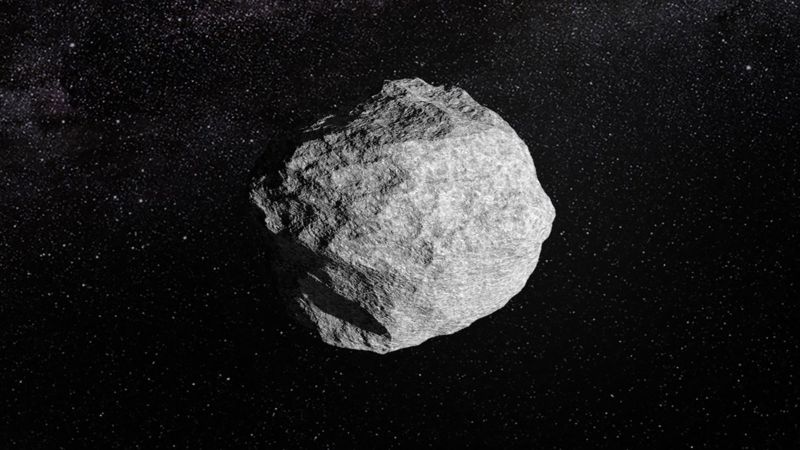
Asteroid 2024 YR4 ruled out for lunar impact
The possibility that a huge space rock — once deemed the riskiest asteroid ever observed — could hit the moon now appears to be off the table, reports BritPanorama.
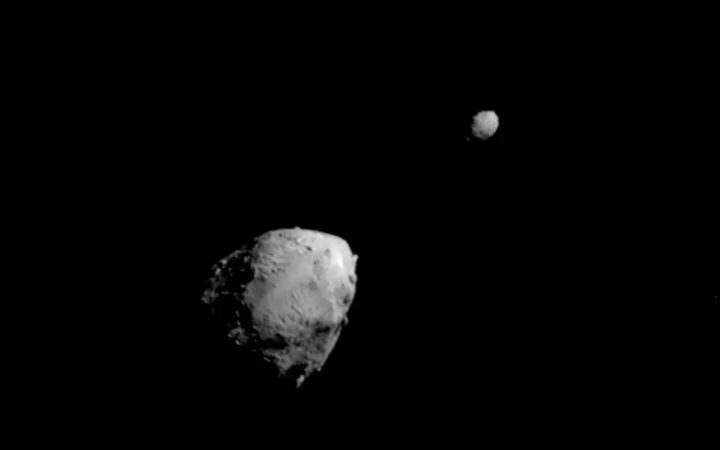
Discovered at the end of December 2024, asteroid 2024 YR4 initially posed a serious threat to Earth, with scientists estimating as much as a 3.1% chance of impacting our planet on December 22, 2032. However, subsequent observations ruled that scenario out, and by June 2025, a new concern arose: a 4.3% chance of YR4 colliding with the moon instead.
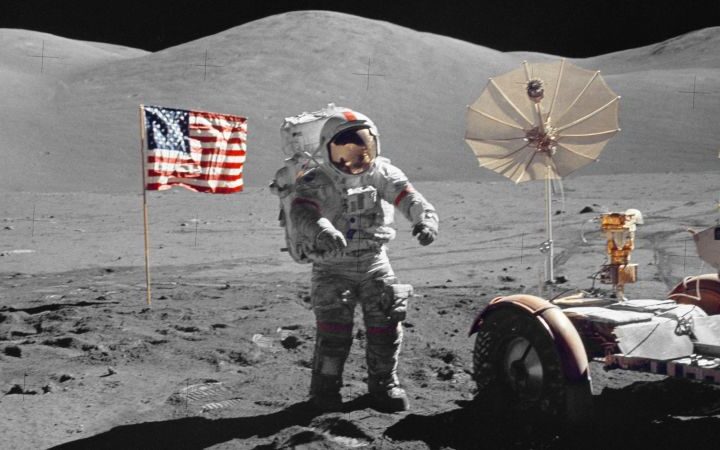
While Earth would not face any significant danger from a lunar impact, researchers suggested that astronauts or infrastructure on the moon could be at risk, as could satellites critical for navigation and communications. The James Webb Space Telescope (JWST), operated by NASA, was engaged to observe YR4 and assess its trajectory before it came back into view in 2028.
Planetary astronomers Dr. Andy Rivkin from Johns Hopkins University and Julian de Wit from the Massachusetts Institute of Technology applied for and received approval to use JWST for earlier observations. Their efforts on February 18 and 26 enhanced the certainty of YR4’s future position; rather than hitting the moon, the asteroid will pass at a distance of approximately 14,229 miles (22,900 kilometers), effectively ruling out the threat of a lunar impact.
Despite the faintness of YR4, Rivkin and de Wit were able to refine the asteroid’s trajectory significantly. Previous estimates indicated it could impact the moon, but the latest findings indicate a safe passage, with a margin of error of just under 500 miles (800 kilometers). This advancement highlights the importance of ongoing observations in planetary defense, reducing uncertainties around asteroid trajectories.
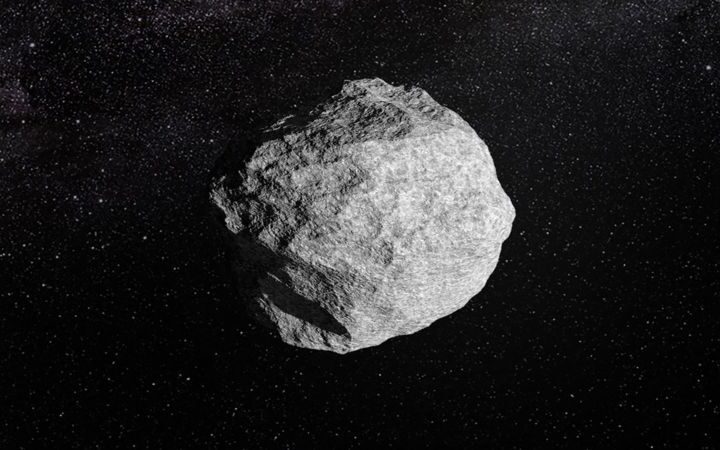
With YR4 measuring about 60 meters (200 feet) in diameter, the challenge was akin to locating a dust particle among a backdrop of stars. Astronomers designed novel techniques for JWST to track the fast-moving asteroid, which is generally not feasible in its standard operations aimed at distant celestial objects. Rivkin noted that the ability to generate precise positional measurements will improve future monitoring of potentially hazardous asteroids.
Adapting methods for precision tracking
The observations required precise timing and innovative techniques to capture YR4, given its faintness compared to other celestial bodies. The team developed strategies that allowed JWST to track this fast-moving target while yielding high-accuracy measurements against fixed background stars. The latest findings demonstrate the effectiveness of the JWST in identifying and tracking potentially dangerous objects in space.
Each observation contributes to the refinement of asteroid trajectory predictions and enhances our understanding of the potential threats from near-Earth objects. As Dr. Paul Wiegert, a professor at Western University in Ontario, commented, while the scientific community may be somewhat disappointed not to witness a large asteroid impact on the moon, these advancements underscore the capabilities of modern observational technology in planetary defense.
Future developments in space observation technology, including the Near-Earth Object Surveyor, will aid in the search for asteroids. The collaborative experience gained from YR4’s observations will also inform subsequent efforts should similar potentially hazardous objects be discovered. The JWST’s successful tracking of YR4 thus serves as a crucial milestone in understanding and mitigating risks posed by asteroids in our solar system.