Artemis II performs historic lunar flyby
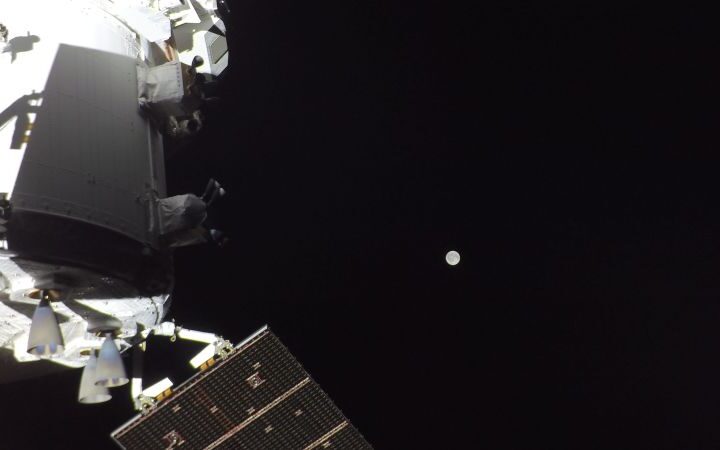
The Artemis II mission performed its much-anticipated lunar flyby yesterday, coming within just 4,067 miles of the moon, reports BritPanorama.
Soaring aboard their Orion capsule beyond the far side of the moon, the crew reached an estimated 252,756 miles from Earth, breaking Apollo 13’s record for the farthest humans have traveled into space. During a seven-hour flyby, the astronauts enjoyed views of the lunar surface previously unseen by human eyes, with about 21% of the moon’s mysterious far side illuminated by sunlight from their perspective.
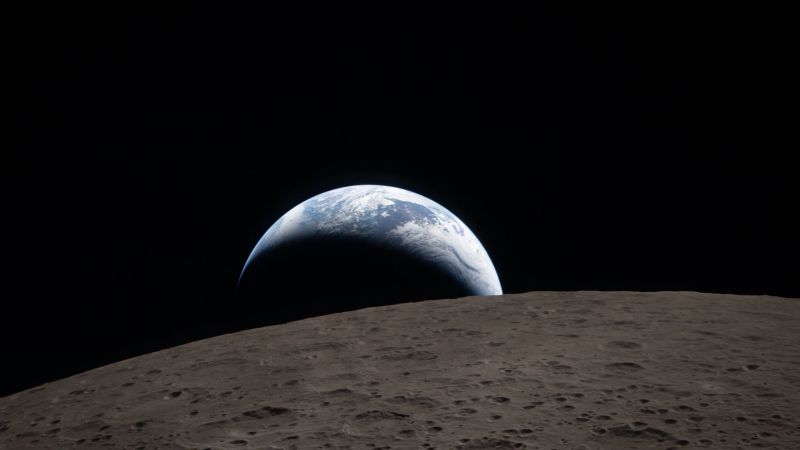
Communication halted for approximately 40 minutes while Orion was behind the moon. The crew witnessed Earth appear to set behind the moon, reminiscent of the famous “Earthrise” experience from Apollo 8 in 1968. They were also treated to a unique solar eclipse during their journey.
After the flyby, Artemis II Commander Reid Wiseman expressed gratitude to the NASA science team for crafting an exciting observing program, describing it as “some great, truly human experience moments here.”
Science officer Dr. Kelsey Young commended the crew’s contributions, stating, “I can’t say enough how much science we’ve already learned and how much inspiration you’ve provided to our entire team, the lunar science community and the entire world with what you were able to bring today. You really brought the moon closer for us today.” The crew captured thousands of photographs that will aid scientists in understanding the moon’s origins and help prepare for future missions to the lunar surface.
As Canadian Space Agency astronaut Jeremy Hansen noted during a conversation with NASA Administrator Jared Isaacman, “When we were on the far side of the moon, looking back at Earth, you really felt like you weren’t in a capsule. You’d been transported to the far side of the moon. And it really just bent your mind. It was an extraordinary human experience. We’re so grateful for it.”
This profound moment reinforces the potential for human exploration beyond Earth, highlighting not just the mission’s technical achievements but the shared human experience of venturing into the unknown.