The Artemis II mission: insights from the Orion spacecraft
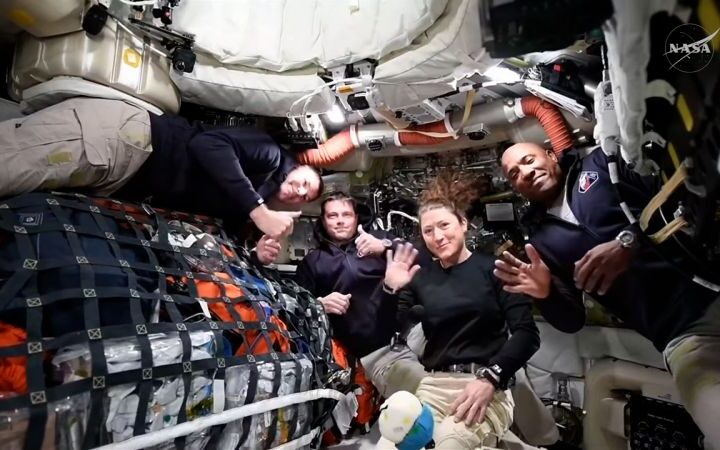
The Artemis II astronauts are experiencing the vastness of space aboard the Orion spacecraft, a capsule designed for their journey to the Moon. Despite its compact interior, reminiscent of two minivans, the spacecraft has quickly become a pivotal element in the narrative of humanity’s return to lunar exploration, reports BritPanorama.
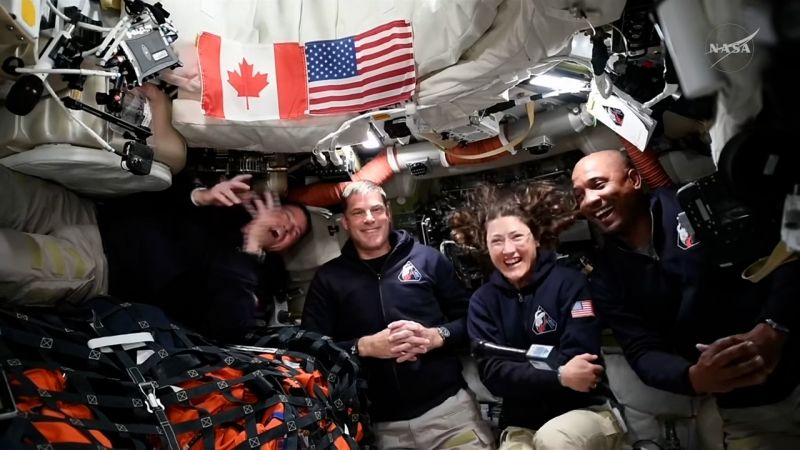
NASA’s Reid Wiseman, Victor Glover, and Christina Koch, alongside Jeremy Hansen from the Canadian Space Agency, have shared that the spacecraft, which has been affectionately named “Integrity,” plays a significant role in their mission. It offers 60% more habitable space than its Apollo predecessor, the Command Module, and includes modern amenities such as a toilet and an exercise machine.
Though the advancements in technology are notable, the Orion capsule prioritizes efficiency over comfort. Astronauts have grown accustomed to its rather basic habitat conditions, designed for functionality in space rather than luxury. Inside, various compartments, screens, instruments, and Velcro pockets contribute to a somewhat cluttered environment as the crew manages their personal items in microgravity.
Living in microgravity
The arrangement of the crew’s sleeping quarters is nearly as unconventional: following launch, two crew seats were stowed for the duration of the mission. This adjustment, coupled with the lack of gravity, has led to some unusual sleeping positions. For instance, Commander Wiseman described how his colleagues found unique spots to rest, leading to positive feedback on their unusual sleeping arrangements.
The onboard environmental conditions prompted adaptations, such as the crew managing to deal with the chilly temperature, which was addressed by mission control in the early days of the mission. Astronauts found themselves using makeshift solutions to block sunlight from entering through the windows in order to maintain a stable temperature inside the cabin, even resorting to using T-shirts for this purpose.
Technological hiccups
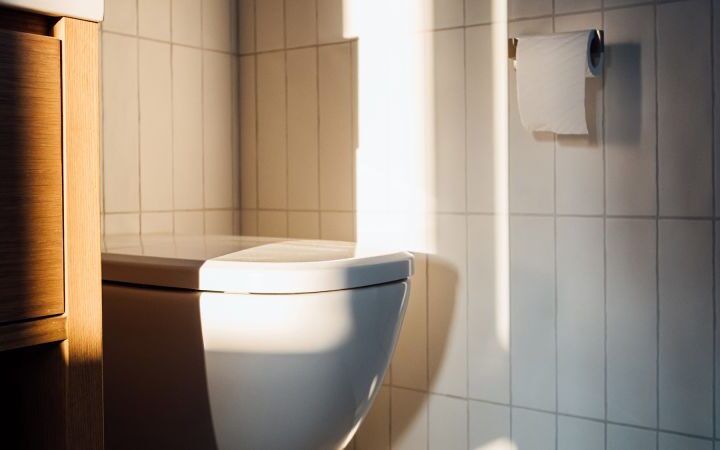
The mission hasn’t been without its challenges, particularly with the onboard toilet system. Shortly into their journey, astronauts faced a malfunction that restricted usage to solid waste only. Flight Director Judd Frieling reported that this was likely due to a frozen blockage in the system. However, through strategic repositioning of the spacecraft to absorb sunlight, the issue was eventually resolved, and the crew received the green light to use the toilet normally.
Other unexpected moments included humorous incidents, such as the crew grappling with issues related to their personal computing devices. Wiseman’s quip about “two Microsoft Outlooks” not working became a significant meme among space enthusiasts. The crew also adapted to sharing everyday tasks like saliva sampling as part of a study on human physiology in microgravity.
An emotional journey
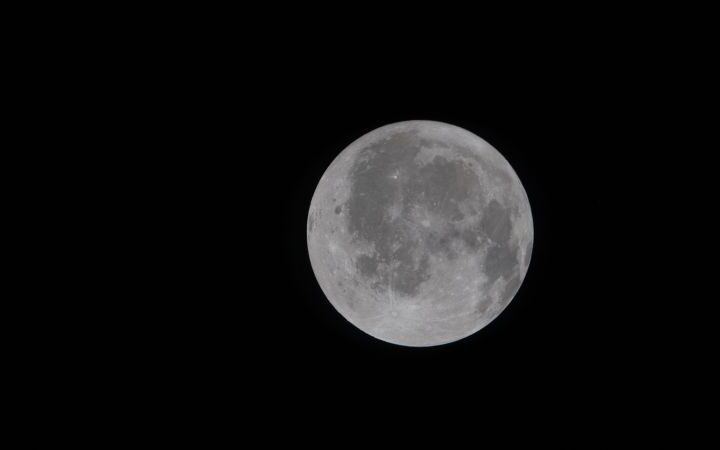
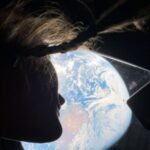
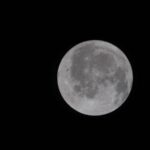
The emotional responses from the crew intensified during significant mission milestones, including lunar flyby phases where they witnessed breathtaking views of both Earth and the Moon. Astronaut Koch expressed her exhilaration at seeing Earth illuminated both brightly and at night, remarking that the experience would soon be mirrored with views of the Moon. Glover echoed these sentiments, describing the sight of the Moon’s terrain in detail as an otherworldly experience.
As the mission progresses, personal connections emerge, with video calls to family members revealing heartfelt moments. Wiseman highlighted the surreal nature of connecting with his children during their journey, illustrating the emotional aspects intertwined with the scientific endeavors of Artemis II. The report underlines that while there are intense moments of joy, most interactions remain private, exemplifying the unique bond between the astronauts and their families.
This historic mission is not only about returning humans to the Moon but also about understanding and adapting to life beyond Earth, showcasing both the challenges and triumphs of human exploration.