Sky watchers can soon catch the spring season’s first full moon rising in the night sky, reports BritPanorama.
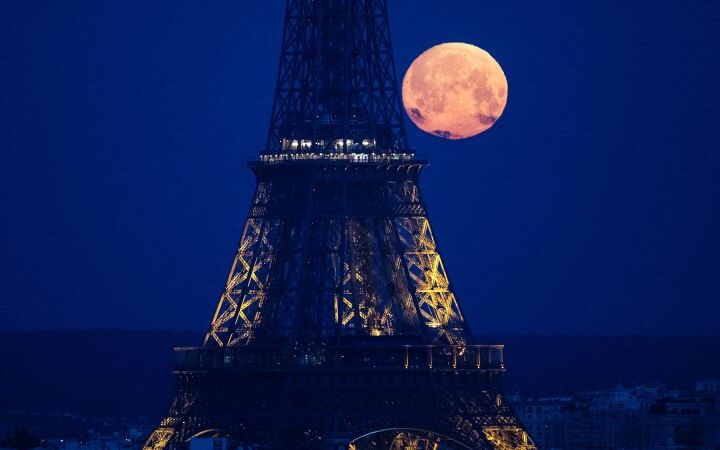
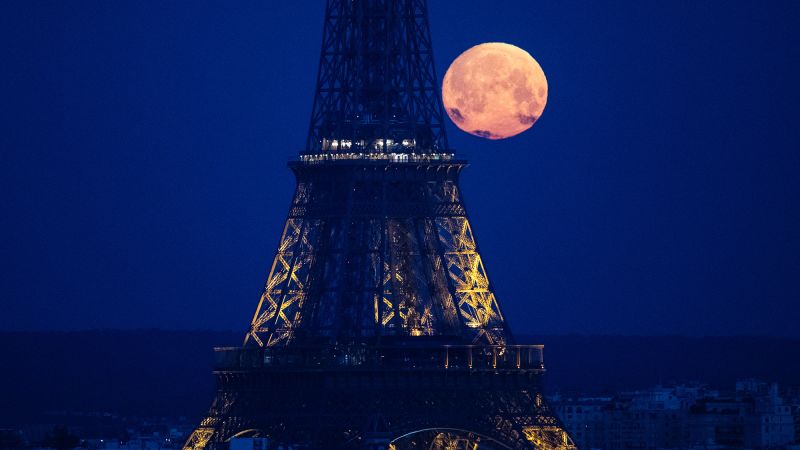
April’s full pink moon will peak at 10:11 p.m. ET Wednesday. Despite its name, the moon will appear in its usual brilliant gray hue. The lunar event’s name pays tribute to Phlox subulata, a wildflower species known as “moss pink,” which typically blooms around this time, marking the full moon in April.
The moon may still appear full on Tuesday and Thursday, according to Noah Petro, chief of NASA’s planetary geology, geophysics and geochemistry laboratory at Goddard Space Flight Center. Full moons are visible in both hemispheres, as they are considered to be in the full moon phase for up to 12 hours before and after their peak.
For optimal viewing, local weather permitting, Petro suggests finding a spot away from urban light pollution, ideally in a location with clear skies. “The darker the environment, the more you can enjoy the event,” he noted.
Various Indigenous communities have their own names for April’s full moon, including “kawohni” meaning flower moon in Cherokee, “kwiyamuyaw” meaning moon of windbreak for the Hopi, and “tabehatawi” meaning frog moon in Assiniboine culture.
Full pink moon and start of April’s launch window for Artemis II
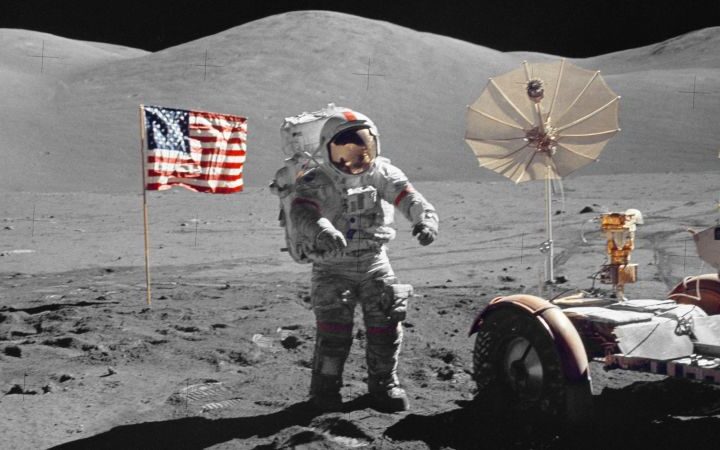
April’s full pink moon also marks the first potential launch date for Artemis II, the first human mission to reach the moon’s vicinity in over 50 years. Four astronauts are set to travel farther than any humans have previously gone in deep space, flying around the moon and beyond its far side.
This early April launch window extends from April 1 to 6, featuring a two-hour launch opportunity each day, as outlined by NASA. On Wednesday, the launch window opens 1.28 hours before sunset, with subsequent openings occurring progressively later each day.
“When you look at this full moon, the crew may be on their way. They may have just launched,” said Petro. He leads the planetary science team for an upcoming Artemis mission planned for early 2028 that will return humans to the lunar surface. He emphasized the significance of this full moon, stating it is “the last full moon in the pre-Artemis II era, and it will look different not only to the four crew members but to all of us who journey along with them.”
Upcoming meteor showers and full moons
Throughout April and May, observers can anticipate a variety of celestial events, including meteor showers. One of the oldest known meteor showers, the Lyrids, will peak between April 21 and 22, allowing sky-gazers to witness 10 to 20 meteors per hour with the best views in the Northern Hemisphere.
The Lyrids originate from Comet Thatcher and are best viewed away from city lights, particularly after moonset and before dawn, when interference from moonlight is minimal.
The next significant meteor shower, the Eta Aquariids, will peak on May 5-6, though observers may see fewer than 10 meteors per hour due to moonlight interference. This shower is noted for the speed of its meteors, which travel at about 40 miles per second as they enter Earth’s atmosphere.
May will feature two full moons: one on May 1 and another on May 31. The term “blue moon” is often used to refer to the second full moon in a single calendar month, a phenomenon that occurs roughly every 30 months on average.
The Artemis program is set to propel humans into deep space for the first time in over fifty years as the countdown for this remarkable phase of exploration continues.